How to get picky eaters excited about real, homemade food?

Turning Mealtime Battles into Culinary Adventures
For many families, the phrase “dinner time” can conjure images of stubborn standoffs, uneaten plates, and exasperated parents. Getting picky eaters, especially children, to embrace wholesome, homemade meals often feels like an uphill battle. But what if there was a way to shift this dynamic, transforming mealtime from a chore into an exciting exploration of flavors and textures? It’s not about trickery, but about strategy, patience, and a dash of creativity.
The good news is that encouraging picky eaters to broaden their palates and appreciate the goodness of home cooking is entirely achievable. It requires understanding the psychology behind pickiness and implementing consistent, positive approaches that make food an adventure, not a confrontation.

Involve Them in the Process
One of the most powerful tools in your arsenal is involvement. When children have a hand in preparing a meal, they develop a sense of ownership and curiosity about what they’ve created. This can significantly reduce their reluctance to try new foods.
From Garden to Plate: Practical Involvement Tips
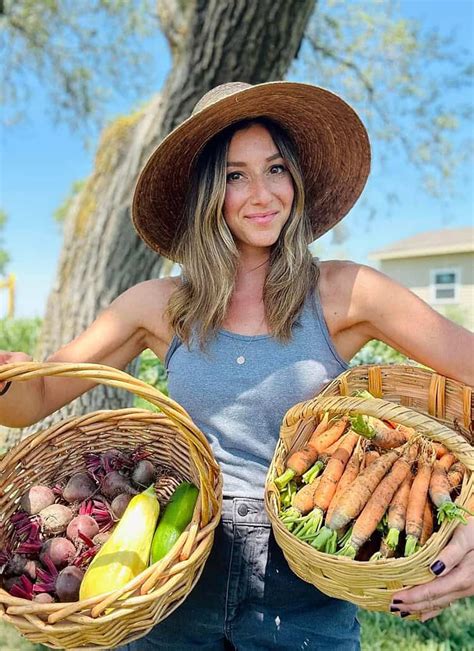
- Grocery Store Explorers: Let them pick out a new fruit or vegetable each week. Talk about its color, shape, and where it comes from.
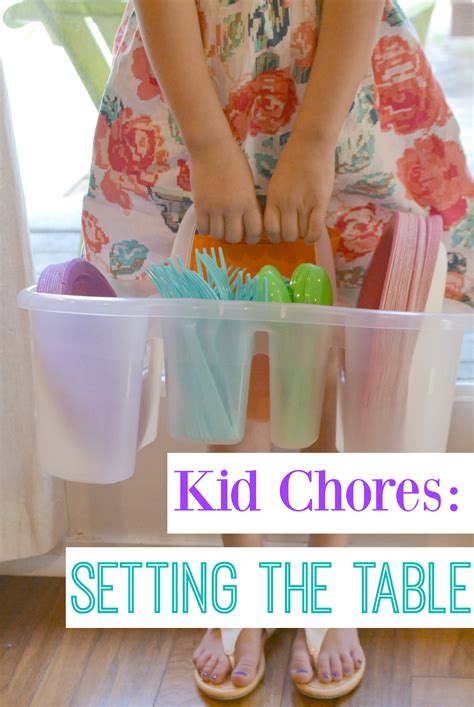
- Kitchen Helpers: Assign age-appropriate tasks like washing vegetables, stirring ingredients, tearing lettuce, or setting the table. Even young children can help.
- Recipe Co-Creators: Ask for their input on what to make, or let them choose a side dish. Giving them a voice empowers them.
Make Food Fun and Appealing
Presentation matters, especially for young eaters. A plate that looks exciting and inviting is far more likely to be sampled than one that seems bland or intimidating.

Creative Presentation Ideas
- Shape Shifters: Use cookie cutters to make fun shapes out of sandwiches, vegetables, or fruit.
- Color Palette: Aim for a variety of colors on the plate. Bright, vibrant meals are naturally more attractive.
- Name Game: Give dishes fun, appealing names like “Dinosaur Trees” (broccoli) or “Power Pasta.”
- Dip It Good: Offer healthy dips like hummus, yogurt dip, or guacamole to make veggies more appealing.
The Power of Exposure and Consistency
Picky eating often stems from a fear of the unknown. Repeated, non-pressured exposure to new foods is crucial for expanding a child’s palate. It can take 10-15 exposures before a child accepts a new food.
Strategies for Gentle Exposure
- One New Thing: Introduce one new food alongside familiar favorites. Don’t expect them to eat it all; just encourage a taste or even just a touch.
- Repetition, Not Pressure: Keep offering new foods without forcing or bribing. The goal is familiarity, not immediate consumption.
- Family Style Dining: Serve meals family style, allowing everyone to take what they want (within reason). This reduces pressure and encourages self-regulation.

Be a Role Model and Create a Positive Environment
Children learn by observing. Your eating habits and attitude towards food significantly influence theirs. Create a positive, relaxed atmosphere around meals.
Cultivating a Joyful Mealtime
- Eat Together: Prioritize family meals whenever possible. It’s a chance to connect and model healthy eating.
- Show Enthusiasm: Express your enjoyment of healthy foods. “Mmm, this broccoli is so crunchy and delicious!”
- Avoid Food Fights: Keep discussions about food positive and avoid negativity or shaming. If they don’t like something, acknowledge it and move on.

Patience and Persistence Pay Off
Overcoming picky eating is a marathon, not a sprint. There will be good days and challenging days. Celebrate small victories, like a child trying a tiny bite of something new, and remember that every positive exposure is a step in the right direction.
By involving them in the kitchen, making food fun, offering consistent exposure, and fostering a positive mealtime environment, you can gradually transform your picky eater into an adventurous foodie. It’s about building a healthy relationship with food, instilling valuable life skills, and most importantly, enjoying delicious homemade meals together as a family.