
How to get picky eaters to enjoy homegrown real food meals?

Encouraging picky eaters to embrace the wholesome goodness of homegrown real food can often feel like an uphill battle. Many parents face the daily struggle of cajoling, bargaining, and even creating separate meals, leading to frustration for everyone involved. However, with a thoughtful approach and a sprinkle of creativity, you can transform mealtime into an enjoyable journey where your children discover the delights of fresh, nutritious food straight from your garden or local farm.
Cultivate Curiosity from the Ground Up
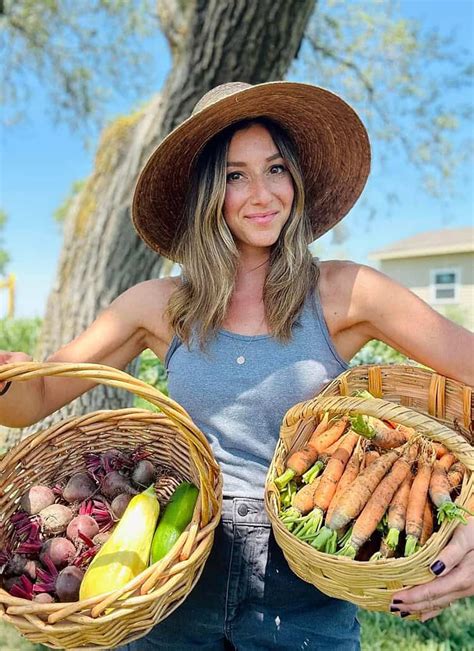
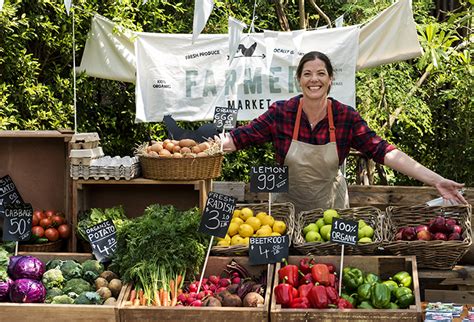
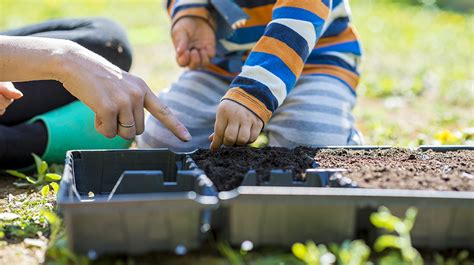
One of the most effective ways to pique a child’s interest in food is to involve them in its journey from seed to plate. If you have a garden, let them help plant seeds, water sprouts, and harvest vegetables. Even without a garden, visiting a local farmer’s market or picking out produce together at the grocery store can spark curiosity. When children feel a sense of ownership and contribution, they are often more willing to try the fruits (and vegetables!) of their labor.
Make Food Fun and Appealing
Children are often drawn to what looks exciting and inviting. This is where presentation becomes your secret weapon. Instead of just serving plain vegetables, cut them into fun shapes using cookie cutters, arrange them into happy faces on a plate, or create colourful skewers. Give dishes playful names, like “Superhero Spinach Smoothie” or “Monster Mouth Apple Slices.” Offering a variety of colours and textures can also make the meal more visually appealing and stimulate their adventurous side.
Another strategy is to serve food family-style, allowing children to choose what and how much they put on their plate. This empowers them with a sense of control and reduces pressure, often leading to more willingness to try new items. Remember, a pleasant dining atmosphere, free from pressure and scolding, is crucial for fostering a positive relationship with food.
Gradual Introduction and Patience is Key
Introducing new foods, especially homegrown ones with unique flavours and textures, requires patience. Don’t expect immediate acceptance. Start by offering very small portions alongside familiar, preferred foods. Repeated exposure is vital; it can take 10-15 exposures to a new food before a child accepts it. Avoid making a big deal out of them refusing to eat something. Simply remove it without comment and offer it again a few days later in a different form or alongside a different meal.

Involve Them in the Kitchen
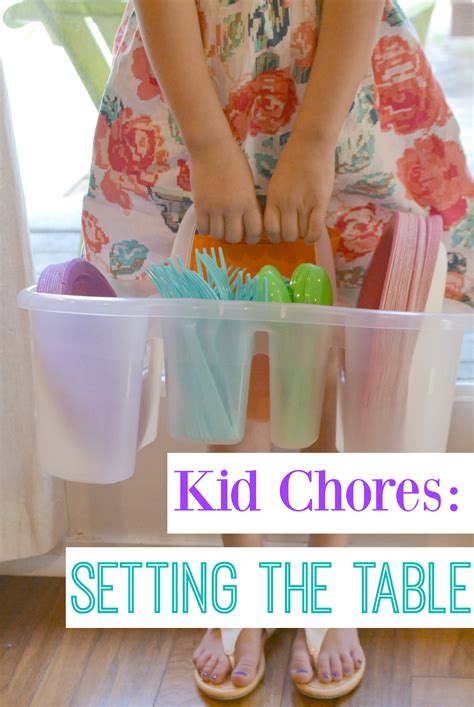
Cooking together is a fantastic way to demystify food and make it more appealing. Let them wash vegetables, stir ingredients, or set the table. Even young children can help with simple tasks. When they participate in preparing a meal, they are often more inclined to taste what they’ve helped create. This hands-on experience builds confidence and a sense of pride, transforming them from reluctant eaters into eager participants.
Beyond the Plate: Leading by Example
Children are keen observers, and they will mimic your eating habits. Make sure they see you enjoying a wide variety of homegrown fruits and vegetables. Talk positively about the taste and benefits of different foods. Family meals, where everyone eats the same food, are incredibly beneficial. Create a routine around these meals, making them a time for connection and shared experience, rather than a battleground over food choices.

Empower and Educate, Don’t Force
While encouraging healthy eating, it’s important to respect a child’s autonomy within reasonable boundaries. Offer choices between two healthy options (e.g., “Would you like carrots or peas with your chicken?”). Explain in simple terms where food comes from and why certain foods help their bodies grow strong and healthy. Avoid using food as a reward or punishment, as this can create unhealthy associations. Focus on the positive aspects of trying new foods and celebrating small victories.
Remember, the goal isn’t just to get them to eat a particular vegetable today, but to foster a lifelong positive relationship with healthy, real food. This journey requires consistency, patience, and a lot of love. By making food an adventure and involving your children every step of the way, you can gradually help them develop a palate for the wonderful bounty of homegrown meals.