How to get picky eaters to enjoy our garden-fresh, homemade family meals?

The Challenge of the Picky Palate
Eating together as a family is a cherished ritual, especially when the food comes straight from your garden. However, the joy can quickly turn into frustration when faced with picky eaters who eye your vibrant, homemade dishes with suspicion. Don’t despair! Getting your little (or big) ones to enjoy these nutritious meals is an achievable goal with a bit of patience, creativity, and strategic planning.
From Seed to Supper: The Power of Involvement
One of the most effective ways to pique a picky eater’s interest is to give them ownership over the food. This starts long before the meal hits the table.
Grow Your Own (Even a Little Bit!)
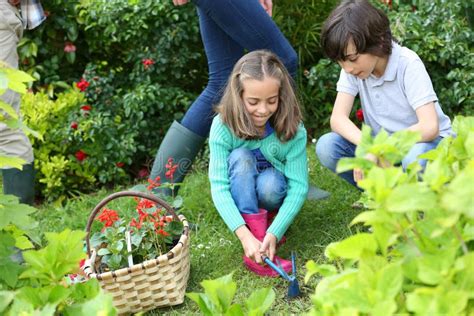
If you have a garden, invite them to help plant seeds, water sprouts, and harvest ripe vegetables. The act of nurturing food from the earth often makes children more willing to try the fruits (and vegetables!) of their labor. Even a small pot of herbs or cherry tomatoes on a balcony can make a difference.
Junior Chef in Training
Extend their involvement into the kitchen. Let them wash vegetables, tear lettuce, stir ingredients, or even help measure. When kids feel they’ve contributed to preparing a meal, they are more likely to want to taste and enjoy it. Simple tasks, like shelling peas or snapping green beans, can be surprisingly engaging.
Presentation is Key: Eat with Your Eyes First
For picky eaters, the visual appeal of food can be as important as its taste. A plate full of “green stuff” might be intimidating, but a plate arranged creatively can spark curiosity.
Get Creative with Plating
Turn vegetables into fun shapes using cookie cutters, arrange them to make faces or animals, or create a “rainbow plate” with various colorful produce. Dip sauces, like homemade hummus or a light yogurt dressing, can also make veggies more appealing.
Name Games and Storytelling
Give your dishes fun, imaginative names. “Superhero Spinach Smoothie” or “Monster Tree Broccoli” can sound much more inviting than just “spinach” or “broccoli.” Tell stories about where the food came from or how it helps them grow strong.

The Long Game: Building Healthy Habits
Changing eating habits takes time. Don’t expect instant miracles. Consistency and a positive approach are your most powerful tools.
Repeated Exposure
It can take multiple exposures (sometimes 10-15 times!) for a child to accept a new food. Keep offering small portions of new or disliked foods without pressure. The goal is exposure, not necessarily consumption every time.
Lead by Example
Children are great imitators. If they see you enthusiastically enjoying the garden-fresh salad or roasted vegetables, they are more likely to try them. Make sure mealtimes are a pleasant experience for everyone.

Smart Strategies for Introducing New Foods
While transparency is usually best, sometimes a little culinary cleverness can go a long way in introducing new flavors.
Combine with Favorites
Blend nutrient-rich vegetables into sauces, smoothies, or baked goods. Spinach can disappear into a pasta sauce, and zucchini can be grated into muffins. Start with small amounts and gradually increase.
Offer Choices (Within Limits)
Give your picky eater some control by offering two healthy options. “Would you like carrots or bell peppers with dinner tonight?” This empowers them without letting them dictate the entire menu.

Cultivating a Love for Food
Transforming picky eaters into adventurous food lovers is a journey, not a sprint. By involving them in the process, making meals fun, maintaining a positive attitude, and offering consistent exposure, you can gradually help your family appreciate the incredible flavors and health benefits of your garden-fresh, homemade meals. Remember, the ultimate goal is to foster a healthy relationship with food and create cherished family memories around the dinner table. Celebrate small victories and enjoy the process of nurturing both your garden and your family’s palates.