How to get picky kids to enjoy homemade, real food from our garden?
Turning Garden Harvests into Kid-Approved Delights
There’s immense satisfaction in harvesting fresh, vibrant produce from your own garden. The challenge often begins when these homegrown treasures reach the dinner table, especially if you have picky eaters. How do you bridge the gap between dirt and deliciousness for children who are naturally wary of new textures and tastes? The secret lies in making food an adventure, not a chore, and involving them every step of the way.
The Garden Classroom: Involve Them from the Start
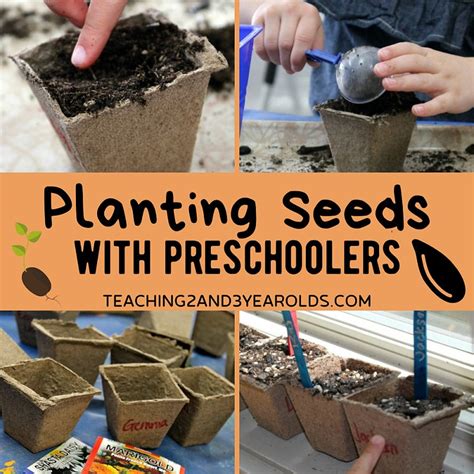
Engagement begins long before the food hits the plate. When children have a hand in growing their food, they develop a sense of ownership and curiosity. Invite them to help with planting seeds, watering sprouts, and observing the plants as they grow. Let them choose which vegetables to grow, giving them a vested interest in the outcome.
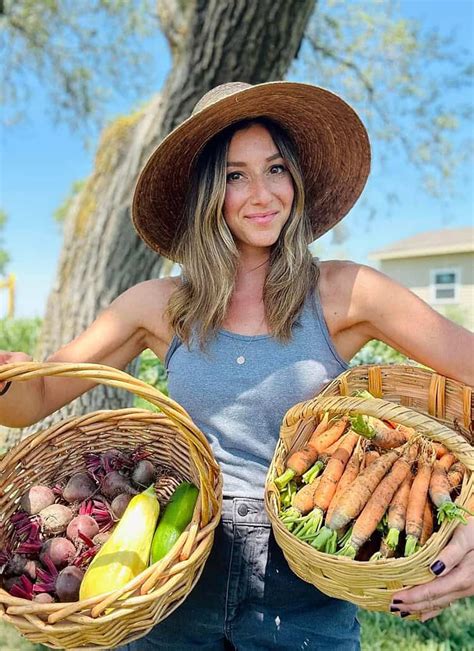
The act of harvesting is particularly exciting. Letting them pick ripe tomatoes, pull carrots from the soil, or snip herbs creates a direct connection to where their food comes from. This hands-on experience demystifies vegetables and fruits, transforming them from unknown entities into familiar, hard-earned rewards.
Make it Fun: Play with Your Food (Literally!)
Culinary Creativity in the Kitchen
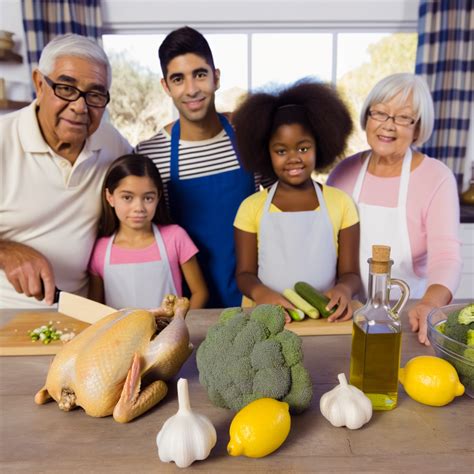
Once the produce is in the kitchen, the fun continues. Involve your children in age-appropriate cooking tasks. Even toddlers can wash vegetables or stir ingredients. Older kids can help chop (with supervision), measure, or assemble dishes. When they help prepare the meal, they are more likely to taste and enjoy it.
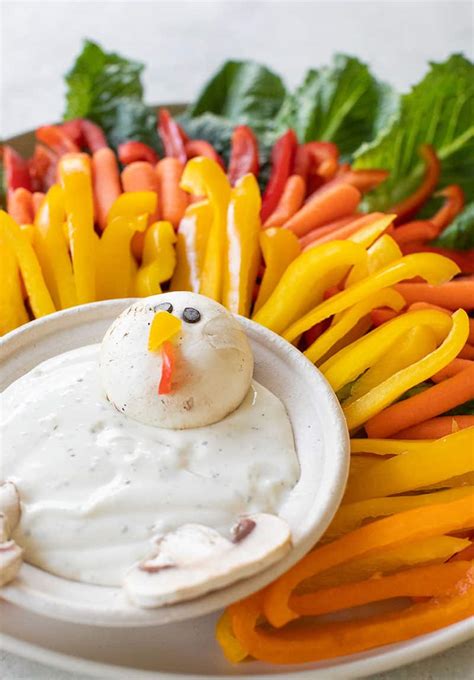
Encourage creativity by letting them experiment with food art. Cucumber slices can become wheels for a carrot car, bell pepper strips can be trees, and cherry tomatoes can be ladybugs. Funny shapes cut from vegetables, or faces made on toast, can make mealtime exciting and less intimidating for picky eaters.

Presentation is Key: Appealing to All Senses
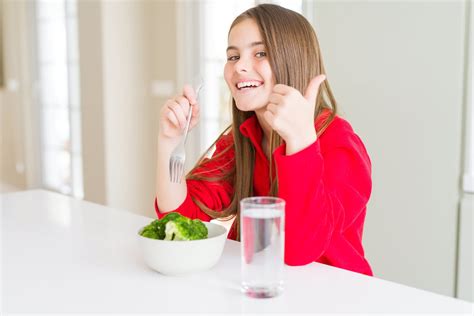
Food presentation can significantly impact a child’s willingness to try something new. Offer a variety of colors and textures on the plate. Small, manageable portions can also be less overwhelming. Instead of a large serving of broccoli, try a few florets alongside other familiar foods.
Dips and sauces can be a game-changer. A homemade hummus, a creamy yogurt dip, or a light vinaigrette can make raw or steamed vegetables more appealing. Let your child help prepare these dips too, allowing them to customize flavors to their liking.
The Power of Choice and Persistence
Offer Choices, Not Demands
Empower your children by giving them choices. Instead of asking, “Do you want peas?” ask, “Would you like peas or green beans with dinner tonight?” This gives them a sense of control and makes them feel heard. Introduce new foods alongside familiar favorites, and encourage a “one-bite rule” without force or pressure. It can take multiple exposures for a child to accept a new food.

Lead by Example
Children are excellent imitators. When they see you enjoying a wide variety of garden-fresh foods, they are more likely to follow suit. Make family meals a positive experience, focusing on conversation and connection rather than policing every bite. Share stories about the garden and the journey of the food from soil to table.

Beyond the Plate: Storytelling and Education
Incorporate storytelling about where food comes from and how it nourishes our bodies. Read books about gardening or healthy eating. Explain in simple terms the benefits of different vegetables and fruits, linking them to energy, strong bones, or a healthy immune system. This educational aspect can foster appreciation and understanding.
Getting picky kids to enjoy homemade, real food from your garden is a journey that requires patience, creativity, and consistency. By involving them in the growing process, making cooking fun, presenting food appealingly, offering choices, and leading by example, you can cultivate not just a love for healthy food, but also lasting family memories and a deeper connection to nature’s bounty.