
How to improve heavy clay soil for a thriving country vegetable garden organically?

Heavy clay soil is often seen as a formidable adversary by country gardeners, notorious for its poor drainage, compaction, and stubborn nature. Yet, beneath its challenging exterior lies a wealth of nutrients, waiting to be unlocked. With an organic approach, you can transform this dense earth into a rich, friable medium that supports a truly thriving vegetable garden. It’s a journey that requires patience and consistent effort, but the rewards – a bountiful harvest from healthy, vibrant plants – are well worth it.
Understanding the Challenge of Heavy Clay
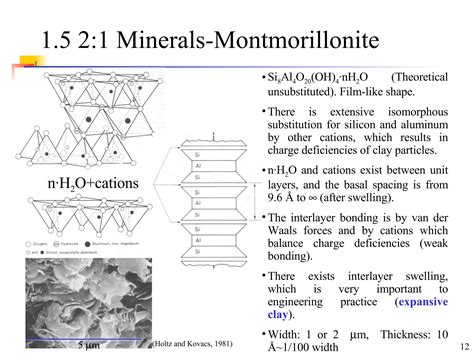
Clay particles are tiny and flat, packing together tightly to leave very little space for air or water to move freely. This leads to several problems: waterlogging in wet periods, rock-hard compaction when dry, and difficulty for plant roots to penetrate. Nutrients can also be locked up, even if present in abundance. The key to improvement is to create a structure that allows for better aeration, drainage, and root growth, and the most effective way to do this organically is by incorporating vast amounts of organic matter.
The Organic Gardener’s Secret Weapon: Organic Matter
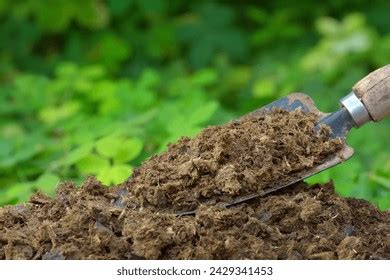
This is the cornerstone of all clay soil improvement. Organic matter acts like a sponge and a glue, simultaneously. It loosens the tight clay particles, allowing air and water to penetrate, while also binding them into larger, more stable aggregates called crumbs. These crumbs create pockets of air and improve drainage, making the soil easier to work and more hospitable for roots. Incorporate copious amounts of well-rotted compost, aged manure, leaf mold, and other plant debris annually. Digging it in is an option, but layering it on top (as in no-dig gardening) is often less disruptive to soil structure and highly effective over time.
Don’t be shy with the quantities – clay soil can handle, and indeed benefits from, significant additions. Aim for at least a few inches of fresh organic material spread over your garden beds each year. The beneficial microbes and earthworms will do much of the work in pulling it down into the soil profile.

Cultivation Techniques for Clay
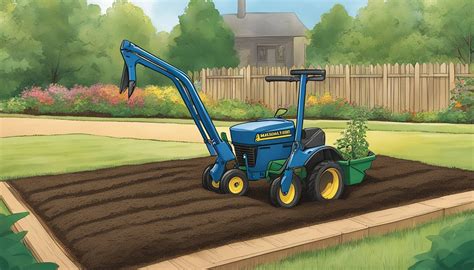
When working with clay, timing is everything. Never work clay soil when it’s wet, as this will destroy any existing soil structure and lead to severe compaction. Wait until it’s moist but crumbly. For initial improvement, a broadfork can be an excellent tool. It aerates the soil deeply without inverting the layers, creating channels for roots and water. Over time, adopting a ‘no-dig’ or ‘minimal-dig’ approach, where organic matter is simply added to the surface, will build soil health and structure without disturbing the delicate fungal networks and worm tunnels.
Consider Cover Crops and Green Manures
Planting cover crops, also known as green manures, is an incredibly effective organic strategy. Their deep roots can penetrate and break up compacted clay layers, improving drainage and aeration naturally. When tilled into the soil (or simply chopped and left on the surface in a no-dig system), they add a significant amount of organic matter, suppressing weeds and preventing erosion during the off-season. Ryegrass, clover, vetch, and tillage radishes are excellent choices for clay soil, each offering unique benefits to the soil structure and nutrient cycle.
Embrace Raised Beds and Smart Drainage
If your clay soil is particularly stubborn or you’re looking for a quicker solution, raised beds can be a game-changer. By building frames and filling them with a custom blend of good topsoil, compost, and other organic amendments, you create an ideal growing environment almost instantly, bypassing the issues of underlying clay. However, if raised beds aren’t an option, consider planting on small mounds or ridges to help with surface drainage. Creating a network of shallow swales or paths around your beds can also redirect excess water away from the main growing areas.
Harnessing the Power of Soil Life
Beyond adding organic matter, you want to cultivate a vibrant ecosystem beneath the soil. Earthworms are incredible architects, tunneling through clay and digesting organic matter to create nutrient-rich castings. Beneficial microbes, fungi, and bacteria also play critical roles in breaking down organic material, making nutrients available to plants, and building stable soil aggregates. Avoid harsh chemical fertilizers and pesticides, as these can harm the very soil life you are trying to encourage. A healthy, living soil is a resilient soil.

Long-Term Success and Patience
Improving heavy clay soil is not a one-time fix; it’s an ongoing process. Each year, as you add more organic matter and practice gentle cultivation, you will notice a significant improvement in soil texture, fertility, and drainage. Your plants will respond with stronger growth and healthier yields. Embrace the journey, observe your soil, and celebrate the gradual transformation of challenging clay into a rich, productive foundation for your thriving country vegetable garden.