How to improve heavy clay soil for better root vegetable growth?

The Challenge of Heavy Clay Soil for Root Vegetables
Heavy clay soil, while often nutrient-rich, presents significant hurdles for root vegetables. Its fine particles pack together tightly, leading to poor drainage, compaction, and insufficient aeration. For root crops like carrots, potatoes, radishes, and parsnips, this dense environment can stunt growth, cause misshapen roots, and increase susceptibility to rot. Improving clay soil is a long-term endeavor, but the rewards are bountiful harvests of healthy, well-formed vegetables.
Understanding the nature of clay soil is the first step. When wet, it’s sticky and retains water for extended periods; when dry, it becomes hard and impenetrable, often cracking. Root vegetables need loose, friable soil to expand and grow without resistance. Here’s how to gradually transform your challenging clay into productive garden gold.
Amending Clay Soil with Organic Matter: The Golden Rule
The most effective and sustainable way to improve heavy clay soil is to consistently incorporate large amounts of organic matter. This acts like a glue, binding the tiny clay particles into larger aggregates, creating spaces for air and water. This process, known as flocculation, significantly improves drainage and aeration.
- Compost: Well-rotted compost is king. Work a 2-4 inch layer into the top 6-12 inches of soil annually. It enhances soil structure, provides nutrients, and encourages beneficial microbial activity.
- Well-Rotted Manure: Similar to compost, aged manure (from cows, horses, or chickens) adds organic matter and nutrients. Ensure it’s fully decomposed to avoid burning plants or introducing weed seeds.
- Leaf Mold: Decomposed leaves are excellent for improving soil structure and water retention.
- Wood Chips/Sawdust: Use these with caution, as fresh wood products can temporarily deplete nitrogen from the soil as they decompose. Incorporate them in the fall or ensure they are well-composted.
Regular, annual applications of organic matter will gradually transform your clay soil over several seasons. Don’t expect instant results, but be persistent.

Consider Raised Beds or Containers
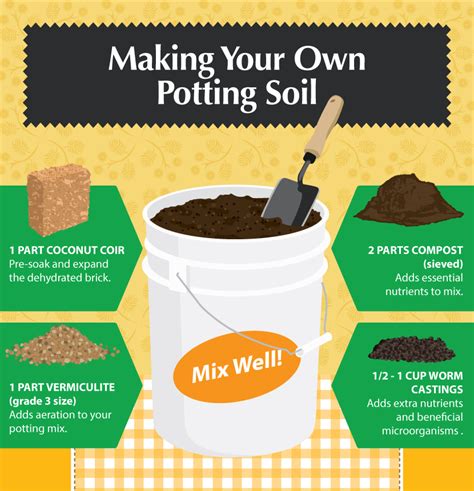
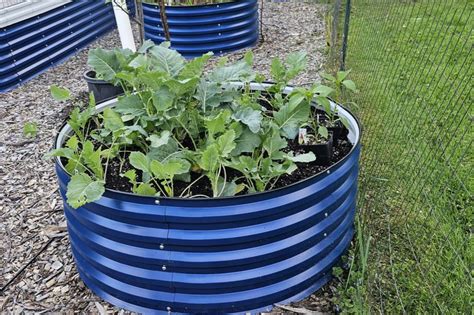
If you’re dealing with extremely heavy clay and want quicker results, or simply a less labor-intensive approach, building raised beds is an excellent solution. You can fill these with a custom soil mix that’s ideal for root vegetables—typically a blend of topsoil, compost, and perhaps some perlite or sand (but avoid just adding sand to clay, as it can create concrete-like conditions).
Raised beds offer:
- Immediate improved drainage and aeration.
- Easier control over soil composition.
- Reduced soil compaction from foot traffic.
- Warmer soil temperatures earlier in the spring.
Containers are also a viable option for a few select root vegetables, especially shorter varieties like radishes or small carrots.
The No-Dig Approach
Traditional digging can disrupt the delicate soil structure, especially in clay. The no-dig method involves layering organic materials directly on top of the existing soil, allowing worms and other soil organisms to do the work of incorporating them. Over time, this builds a rich, loose topsoil layer without disturbing the natural soil ecosystem.
Cultivation Practices for Clay Soil
- Avoid Compaction: Never walk on wet clay soil, as this compacts it severely. Use designated paths or stepping stones.
- Timely Tillage (if you must): If you do decide to incorporate amendments by digging, do so when the soil is moist but not soaking wet. It should crumble when squeezed, not form a sticky ball or hard clod.
- Deep Rooting Cover Crops: Plant cover crops like daikon radishes, alfalfa, or clover in the off-season. Their roots penetrate deep into the clay, breaking it up and adding organic matter when they are tilled in or left to decompose.

Strategic Watering and Fertilization
Clay soil holds water well, so it’s easy to overwater, leading to waterlogging and root rot. Water deeply but infrequently, allowing the top layer to dry out slightly between waterings. This encourages roots to grow deeper. A soaker hose or drip irrigation system is ideal, as it delivers water slowly and directly to the roots without compacting the surface.
While clay soil is often nutrient-rich, improving its structure will make those nutrients more accessible to plants. Avoid excessive nitrogen, which can promote leafy growth at the expense of root development. Focus on balanced organic fertilizers as needed, after a soil test.

Choosing the Right Root Vegetables
Even with improvements, some root vegetables are more forgiving in clay soil than others. Consider varieties that are shorter or naturally adapt better:
- Carrots: ‘Danvers Half Long’, ‘Chantenay’, ‘Paris Market’ are good choices for shorter, wider roots.
- Radishes: Most varieties are quick-growing and can tolerate heavier soil if well-amended.
- Potatoes: Grow well in raised beds or amended soil, especially ‘Yukon Gold’ or ‘Kennebec’.
- Turnips: Fairly adaptable to various soil types.
Patience and Persistence Pay Off
Improving heavy clay soil is not a one-time fix; it’s an ongoing process. With consistent effort in adding organic matter and employing smart cultivation techniques, you’ll gradually transform your dense clay into a crumbly, fertile environment. This will not only lead to better harvests of root vegetables but also create a healthier, more resilient garden ecosystem for years to come.