



How to infuse garden herbs for maximum flavor in simple homemade dishes?
Elevate Your Cooking with Fresh Herb Infusions
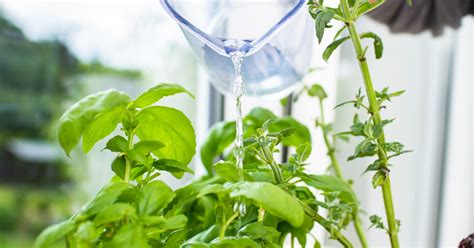
There’s a unique satisfaction in stepping into your garden, plucking fresh herbs, and transforming them into something truly extraordinary in your kitchen. Infusing herbs is a simple yet powerful technique that allows you to capture the vibrant essence and complex aromatics of your harvest, imparting deep, nuanced flavors into your dishes without much effort. Forget bland meals; with a little know-how, your garden’s bounty can become the secret ingredient to culinary excellence.
Why Infuse Herbs?
Infusion is more than just adding herbs to a dish; it’s about extracting and concentrating their aromatic oils and compounds into a liquid medium like oil, vinegar, or honey. This process creates a versatile, flavor-packed ingredient that can be used as a base, a finish, or a marinade, ensuring that every drop carries the pure taste of your herbs. It’s a fantastic way to preserve your herbs’ character and make their flavors more accessible and potent in your cooking.
Selecting the Best Herbs for Infusion
The type of herb you choose will greatly influence the flavor profile of your infusion. Generally, herbs fall into two categories for infusion purposes:
- Woody Herbs: Rosemary, Thyme, Sage, Oregano, Marjoram, Bay Leaf. These herbs are robust and release their flavors well, making them excellent choices for oil, vinegar, and long steeping infusions.
- Tender Herbs: Basil, Mint, Parsley, Cilantro, Dill, Lemon Verbena. These delicate herbs are best for shorter, cooler infusions, or for adding towards the end of a hot infusion process to preserve their freshness.
Always use fresh, clean herbs, free from pests or disease. Gently rinse them and pat dry before infusing to remove any dirt or excess moisture.
Popular Infusion Methods
1. Oil Infusion
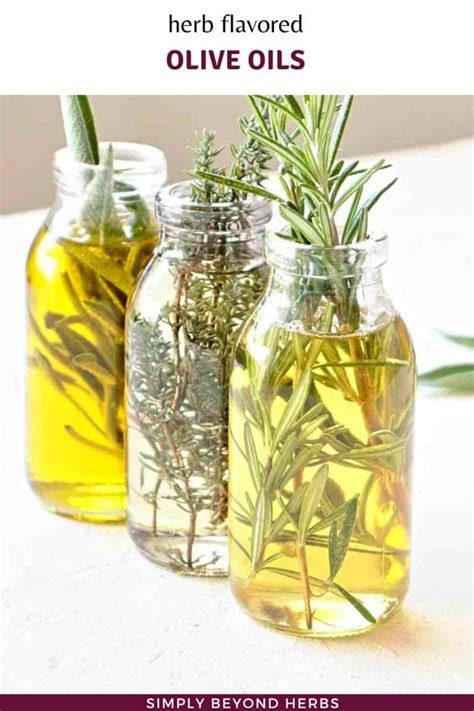
Herb-infused oils are incredibly versatile, perfect for salad dressings, marinades, or simply dipping bread. Olive oil is a popular choice, but you can experiment with grapeseed, avocado, or sunflower oil.
- Cold Infusion: This method is slower but preserves more of the delicate herb flavors. Simply combine chopped herbs with oil in a clean, dry jar, seal, and let it steep in a cool, dark place for 1-2 weeks, shaking occasionally.
- Hot Infusion: For a quicker, more intense flavor, gently heat the herbs and oil together over low heat (below 180°F/82°C) for 1-2 hours. This method requires careful monitoring to prevent burning the herbs.
2. Vinegar Infusion
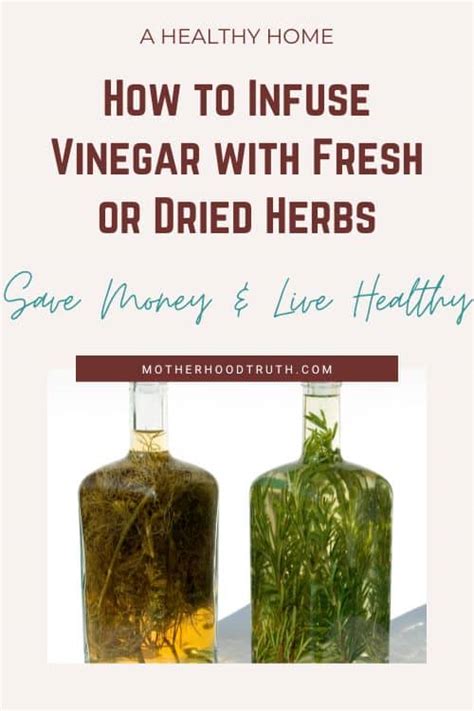
Infused vinegars add a bright, acidic punch to dressings, sauces, and glazes. White wine vinegar, apple cider vinegar, and red wine vinegar are excellent bases. Combine herbs with vinegar in a jar and steep for 1-2 weeks in a cool, dark place. Strain and store.
3. Honey Infusion
Sweet and aromatic, herb-infused honeys are wonderful for teas, glazes for roasted meats, or drizzling over cheese and desserts. Rosemary, thyme, lavender, and mint are particularly good. Gently warm honey with herbs, then let steep for several hours or days before straining.
4. Water-Based Infusion (Teas, Broths)
The simplest form of infusion, using hot water to extract flavors for beverages or culinary bases. Think refreshing mint tea, lemon verbena water, or a quick broth infused with bay leaves and thyme.
Maximizing Flavor Extraction
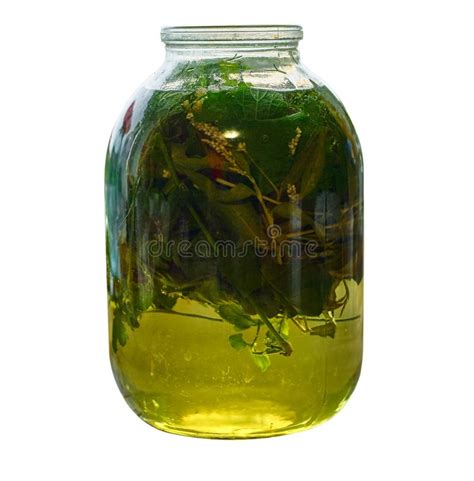
- Bruise or Chop Herbs: Gently crushing or roughly chopping woody herbs helps release their essential oils. For tender herbs, a light bruise is often enough.
- Gentle Heat: If using a hot infusion method, keep the heat low and slow. High temperatures can cook off volatile aromatic compounds, diminishing flavor.
- Adequate Steeping Time: Patience is key. While hot water infusions are quick, oils and vinegars need days, sometimes weeks, to fully develop their flavors.
- Proper Ratio: Don’t overcrowd your infusing liquid with too many herbs. A good starting point is about 1 cup of loosely packed herbs per 2 cups of liquid.
- Strain Thoroughly: Always strain out the solid herb matter from oils and vinegars, especially when making hot infusions with fresh ingredients, to prevent spoilage and potential botulism risks.
Simple Dishes Enhanced by Herb Infusions
Salad Dressings & Vinaigrettes
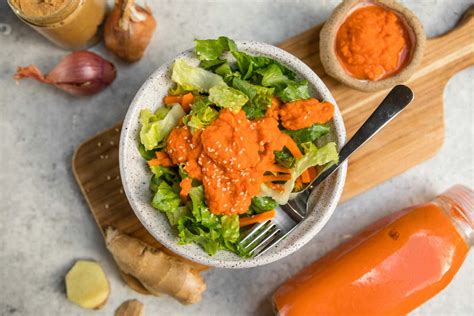
Elevate a simple green salad with a drizzle of basil-infused olive oil and a splash of lemon-thyme infused vinegar. The layers of flavor will transform an everyday dish into a gourmet experience.
Marinades for Meats & Vegetables
A rosemary-garlic infused olive oil makes an incredible marinade for chicken, lamb, or roasted potatoes. For grilled vegetables, a dash of oregano-infused vinegar can add a bright, tangy finish.
Soups, Stews & Sauces
Finish a hearty lentil soup with a swirl of sage-infused butter, or add a spoonful of savory tomato-basil infused oil to your pasta sauce just before serving. These small additions can make a big impact.
Beverages & Desserts
Infuse fresh mint into hot water for a refreshing tea, or use lavender-infused honey to sweeten yogurt or drizzle over fresh fruit for a sophisticated dessert. Even simple fruit-infused waters can be enhanced with a sprig of lemon verbena.
Compound Butters
Softened butter blended with finely chopped, strained herb-infused oil creates a compound butter that’s perfect for spreading on toast, melting over steak, or finishing baked potatoes.
Storing Your Infusions
Proper storage is crucial for safety and flavor retention. Herb-infused oils, especially those made with fresh ingredients, carry a risk of botulism if not prepared and stored correctly. For safety, it’s recommended to consume hot-infused oils made with fresh garlic or herbs within 1-2 weeks and store them in the refrigerator. Cold-infused oils generally last longer but should always be monitored for signs of spoilage. Vinegars can last several months in a cool, dark place, while herb-infused honeys are shelf-stable at room temperature indefinitely. Water-based infusions should be consumed immediately or within a day if refrigerated.
Conclusion
Infusing garden herbs is a delightful and rewarding culinary practice that truly maximizes the flavor potential of your harvest. It’s a testament to how simple techniques can yield profound results, transforming everyday ingredients into something extraordinary. So, gather your favorite herbs, choose your infusion medium, and prepare to unlock a world of intense, aromatic flavors that will elevate your homemade dishes to new heights. Happy infusing!