



How to involve busy kids in garden-to-table real food meal prep?
In today’s fast-paced world, finding ways to connect with our children and instill valuable life skills can be a challenge, especially when their schedules are packed. The idea of involving busy kids in a full garden-to-table real food meal prep process might seem daunting, but it’s an incredibly rewarding endeavor that builds healthy eating habits, fosters an appreciation for where food comes from, and creates lasting family memories. The key lies in breaking down the process into manageable, age-appropriate tasks and making it an enjoyable, collaborative experience rather importantly.
Cultivating Curiosity in the Garden
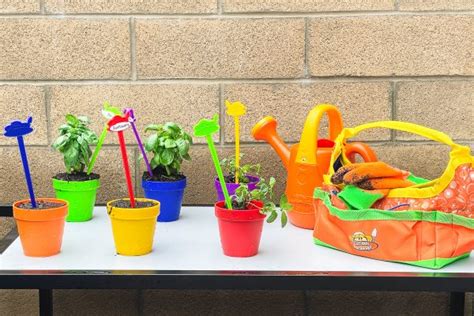
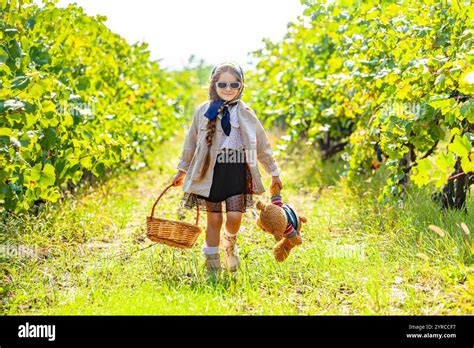
The journey from garden to table begins, naturally, in the garden itself. Even a small container garden on a balcony can be a source of wonder. Involve your kids from the very beginning: choosing seeds, planting them, and watering. Assign them ownership over a specific plant or a small plot. This personal connection makes them more invested in the outcome. Focus on fast-growing, kid-friendly vegetables like radishes, cherry tomatoes, snap peas, or herbs, which offer quick gratification and a tangible reward for their efforts.
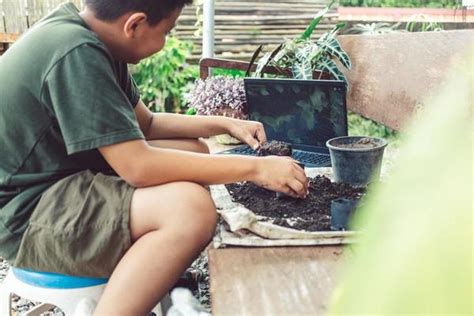
Turn gardening into an adventure. Let them dig in the dirt (with appropriate supervision, of course), search for worms, and observe bugs. Frame it as exploring nature and helping plants grow their food. Even 15-20 minutes a few times a week can make a huge difference in their engagement without overwhelming their schedule. The goal is to spark their curiosity and show them that food doesn’t just magically appear in the grocery store.
From Harvest to Kitchen Counter: The Prep Stage
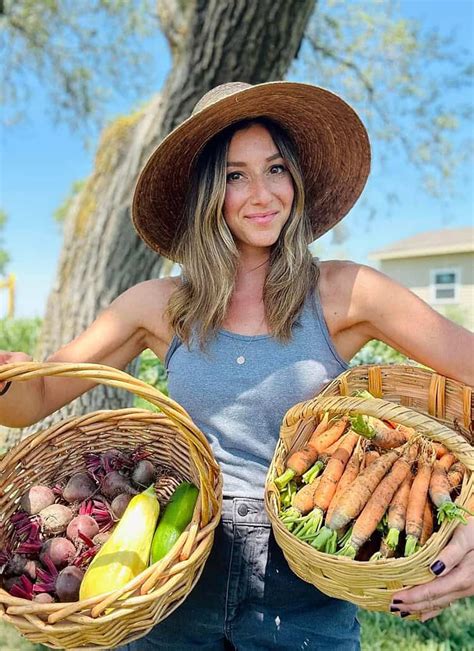
Once the produce is ready, the next exciting step is harvesting! Empower your children to carefully pick the ripe vegetables and herbs. This hands-on experience is incredibly satisfying and strengthens their connection to the food. Back in the kitchen, involve them in the initial cleaning and sorting process. Younger kids can wash vegetables under supervision, pluck herb leaves, or tear lettuce for salads. Older children can help sort and put away produce, learning about different types of fruits and vegetables.

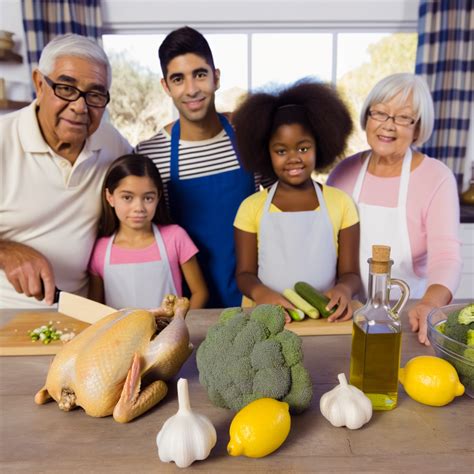
For meal prep, assign age-appropriate tasks. A toddler can stir ingredients in a bowl or hand you items. School-aged children can use kid-safe knives to chop soft vegetables like cucumbers or strawberries, mash avocados for guacamole, or measure ingredients. Teenagers can take on more complex chopping, slicing, or even lead a simple recipe. Explain why you’re doing each step – for example, how washing removes dirt, or why certain ingredients are combined.
Cooking Up Fun: The Meal Creation
The actual cooking is where all their efforts come together. Choose simple, kid-friendly recipes that feature the produce you’ve harvested. Pizzas with garden toppings, fresh salads, homemade pesto, vegetable fritters, or simple pasta dishes are great starting points. Give your child a specific role and make it their responsibility for that meal. Maybe they’re the ‘salad chief,’ the ‘spice master,’ or the ‘dough roller.’ This sense of responsibility is a powerful motivator.

Embrace the mess! Cooking with kids is rarely pristine, but the benefits far outweigh a few spills. Focus on the learning and bonding experience. Talk about the textures, colors, and smells of the ingredients. Let them taste-test along the way (safely). This interactive approach makes cooking less of a chore and more of a creative endeavor. It also demystifies the cooking process, making them more likely to cook for themselves as they grow older.
Making it a Sustainable Habit, Not a Chore
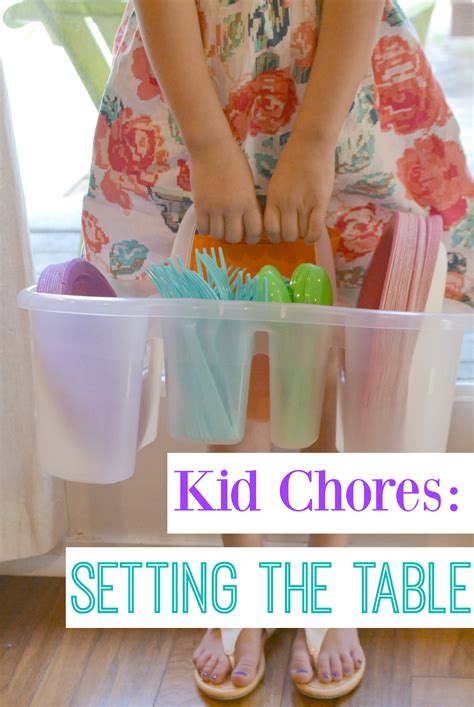
To ensure long-term involvement, integrate garden-to-table activities into your family routine naturally, rather than as an obligation. Designate a specific ‘garden day’ or ‘kitchen helper’ slot that aligns with their schedule. Keep sessions short and sweet, especially for younger kids, to prevent burnout. If a child is particularly busy, even just harvesting the vegetables or setting the table with the fresh produce can be their contribution.
Celebrate their contributions! Acknowledge their hard work and effort, whether it’s perfectly chopped carrots or a beautifully watered plant. Let them see the immediate reward: eating the delicious food they helped create. When they try a new vegetable from their own garden, praise their adventurousness. This positive reinforcement encourages them to continue participating and developing a love for real, wholesome food.
The Reward on the Plate
The ultimate satisfaction comes when everyone gathers around the table to enjoy the meal. Children are often more willing to try new foods when they’ve been involved in growing and preparing them. Point out the specific vegetables they helped cultivate or prepare. This tangible connection from earth to plate is a powerful lesson in self-sufficiency, healthy eating, and environmental awareness. Involving busy kids in garden-to-table real food meal prep isn’t just about cooking; it’s about nurturing their growth, building confidence, and cultivating a family culture around wholesome food and shared experiences.