

How to involve children in daily homestead tasks cheerfully?

Turning Chores into Joyful Family Adventures
Homesteading life is rich with learning opportunities and the satisfaction of self-sufficiency. However, getting children enthusiastically involved in the daily grind of chores – from gardening to animal care, food preservation to maintenance – can sometimes feel like an uphill battle. The key lies not in demanding participation, but in transforming routine tasks into engaging, educational, and genuinely cheerful family activities. When children feel like contributors rather than conscripts, they gain valuable life skills, a strong work ethic, and a deeper connection to their home and food source.

Make It a Game, Not a Chore
One of the most effective ways to involve children cheerfully is to infuse tasks with an element of play. Instead of simply asking them to “weed the garden,” turn it into a “treasure hunt for invading weeds” or a “race to fill the bucket.” Timers can add a fun challenge, or a “spot the difference” game while sorting laundry can turn a monotonous task into an engaging one. Storytelling while working, where each person adds a line to an ongoing tale, can also make time fly and create cherished memories. The goal is to shift the perception from obligation to opportunity for fun and creativity.
Age-Appropriate Tasks and Tools are Essential
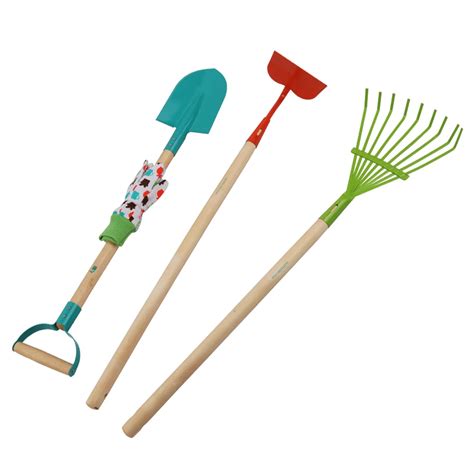
Matching tasks to a child’s developmental stage is crucial for success and preventing frustration. A toddler can help put away toy blocks or ‘water’ plants with a small, child-friendly watering can. Older children can handle more complex tasks like collecting eggs, helping with meal prep, or tending to specific garden beds. Providing them with their own child-sized tools – miniature hoes, rakes, gloves, or even small kitchen utensils – empowers them and makes them feel like legitimate, capable contributors. When tasks are within their capability, they are more likely to approach them with enthusiasm.
Teach, Don’t Just Delegate
Children aren’t born knowing how to milk a goat or can vegetables. Treat each task as a teaching moment. Demonstrate first, explain the “why” behind the task, and then guide them as they try. Be patient with mistakes and focus on effort over perfection. For example, explain why weeding is important for healthy plants, or how separating laundry protects clothes. This educational approach transforms chores into valuable learning experiences, fostering curiosity and competence. When they understand the purpose, children are more likely to take ownership and pride in their work.

Celebrate Small Victories and Offer Positive Reinforcement
Positive encouragement goes a long way. Acknowledge and praise their efforts, not just the outcome. “Great job gathering those eggs!” or “Thank you for helping sort the recycling, that was a big help!” Even if the task isn’t perfectly executed, celebrate their willingness to participate and their progress. Verbal praise, a high-five, or a small, non-material reward (like choosing the next family movie or story) can reinforce positive behavior and make children feel valued. Avoid tying their contribution to monetary rewards, as this can undermine the intrinsic joy of contribution and family teamwork.

Lead by Example and Make it Family Time
Children are excellent imitators. If parents approach tasks with a positive, can-do attitude, children are more likely to follow suit. Work alongside them whenever possible. Turn chore time into family time by putting on music, chatting, or singing together. Shared laughter and conversation can make even the most mundane tasks enjoyable. When children see their parents enjoying the work and valuing their contributions, they learn that homesteading is a shared family endeavor, not just a list of things to get done.

Empower and Give Choices
Offer choices when possible to give children a sense of control and autonomy. “Would you like to help me feed the chickens or gather vegetables first?” or “Which task would you prefer to do this afternoon, watering the garden or tidying the tool shed?” This empowers them and reduces resistance. As they grow, involve them in planning and decision-making for homestead projects. When children feel their opinions are valued and they have a say in their responsibilities, their enthusiasm and commitment naturally increase.
Conclusion
Involving children in daily homestead tasks doesn’t have to be a source of struggle. By embracing creativity, patience, appropriate tools, and a positive mindset, parents can transform chores into meaningful family activities that build character, teach essential skills, and strengthen bonds. The goal isn’t just to get the work done, but to cultivate a love for the homesteading lifestyle, instilling a sense of purpose and cheerful contribution in the next generation. Start small, be consistent, and watch your children blossom into capable and enthusiastic helpers.