


How to involve kids in country kitchen real food prep without chaos?
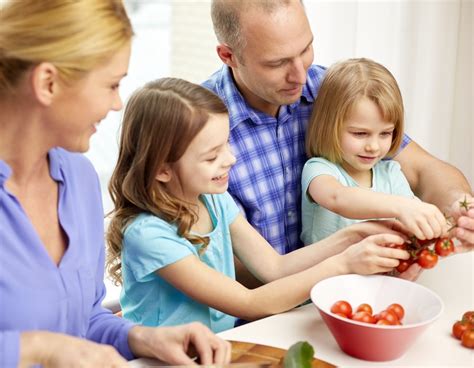
Bringing Little Hands to the Country Kitchen
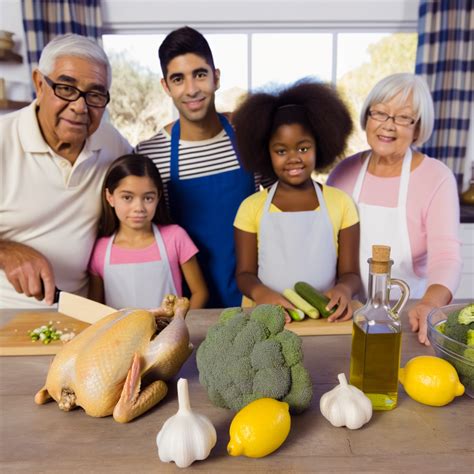
The country kitchen, often the heart of a home, is a place where traditions are born, and delicious, real food is crafted with love. Involving children in this process offers incredible benefits, from developing life skills and healthy eating habits to strengthening family bonds. However, the thought of little hands, flour explosions, and potential mishaps can often deter even the most patient parent. Fear not! With a few strategies and a dose of patience, you can transform your country kitchen into a collaborative, chaotic-free (mostly!) culinary classroom.
Setting the Stage for Successful Kid-Friendly Cooking
Before inviting your budding chefs to the counter, a little groundwork goes a long way. Preparation is key to minimizing stress and maximizing fun. Think about your kitchen’s layout and the tasks you plan to undertake. Safety should always be paramount, especially in a bustling kitchen environment.
- Choose Age-Appropriate Tasks: Not all tasks are suitable for every age. Toddlers can wash vegetables, while older children might handle chopping or measuring. Start simple and build up skills.
- Pre-Prep and Organization: Have ingredients measured out, tools ready, and surfaces clean. A tidy workspace makes it easier for everyone to focus and reduces the chance of spills.
- Create a Safe Zone: Ensure stools are stable, sharp objects are stored safely, and hot surfaces are out of reach. Emphasize kitchen safety rules from the get-go.

Practical Tips for Engaging Your Little Helpers
Involving children means embracing a different pace and perhaps a bit more mess than usual. It’s about the experience, not just the perfectly plated dish.
Start Small and Simple: Begin with recipes that have few steps and immediate results, like making simple salads, stirring pancake batter, or kneading bread dough. The gratification of seeing their contribution quickly can be very motivating.
Embrace the Mess (Within Reason): Spills and scattered flour are part of the learning curve. Have a damp cloth ready and involve them in cleanup too. It teaches responsibility and shows them that mistakes are fixable.
Make it Fun: Tell stories, sing songs, or turn it into a game. Let them choose a recipe from a kid-friendly cookbook. Enthusiasm is contagious!
Patience is Key: Things will take longer, and instructions might need repeating. Remember your goal is to teach and bond, not to rush. Your calm demeanor will help keep the atmosphere positive.
Age-Specific Task Ideas for Country Kitchen Prep
Tailoring tasks to a child’s developmental stage is crucial for both engagement and safety.
Toddlers & Preschoolers (Ages 2-5):
- Washing fruits and vegetables in a colander.
- Stirring ingredients in a bowl (cold items).
- Tearing lettuce or herbs for salads.
- Squeezing citrus fruits (with help).
- Adding pre-measured ingredients to a bowl.
Young School-Aged (Ages 6-9):
- Measuring dry and liquid ingredients.
- Cracking eggs (over a separate bowl).
- Simple chopping with kid-safe knives or under close supervision (e.g., soft fruits, cheese).
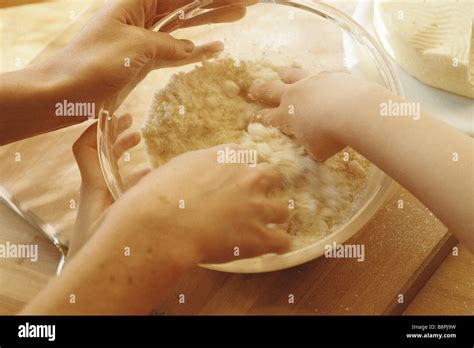
- Kneading dough.
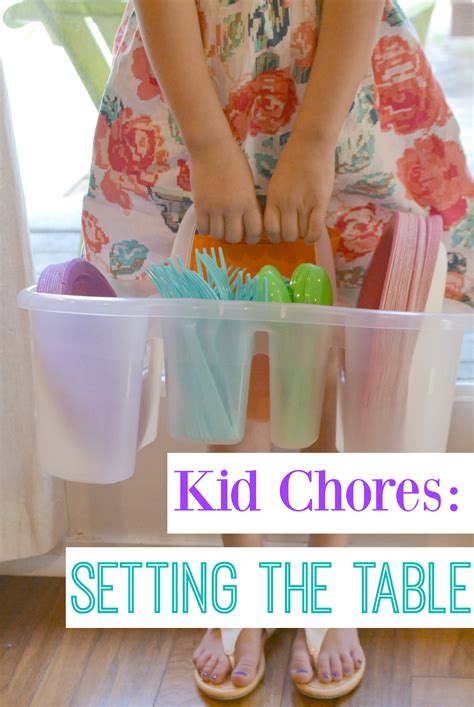
- Setting the table.

Older Kids & Pre-Teens (Ages 10-12+):
- Following recipes independently or with minimal guidance.
- More complex chopping and knife skills (with proper training).
- Using kitchen appliances like stand mixers or blenders.
- Baking from scratch.
- Meal planning and grocery list creation.

Beyond the Recipe: Life Lessons from the Kitchen
Involving children in food preparation offers far more than just a meal. It’s a rich environment for learning valuable life skills.
- Nutrition Education: They learn where food comes from and how different ingredients contribute to a healthy meal.
- Math and Science: Measuring, counting, understanding chemical reactions in baking – it’s all practical application.
- Teamwork and Communication: Working together on a shared goal fosters cooperation.
- Confidence and Independence: Mastering a new skill boosts self-esteem and encourages self-sufficiency.
- Appreciation for Food: Kids are more likely to try and enjoy food they’ve helped prepare.
Embrace the journey of culinary exploration with your children in your country kitchen. While a little chaos might occasionally bubble up, the lasting memories, valuable skills, and delicious results will be well worth the effort. Transform your kitchen into a place of joyful learning and family connection, one real food meal at a time.