How to involve kids in daily real food prep & garden-to-table meals?
In an age where processed foods and screen time often dominate, fostering a connection to real food and its origins is more crucial than ever. Involving children in daily food preparation and the garden-to-table journey not only teaches valuable life skills but also cultivates healthy eating habits and strengthens family bonds.
The Bountiful Benefits of Getting Kids Involved
Engaging children in the kitchen and garden offers a wealth of advantages. It provides a hands-on education in science (how plants grow, chemical reactions in cooking), math (measuring ingredients), and even language arts (following recipes). Beyond academics, it builds confidence, encourages creativity, and teaches responsibility. When children participate in growing and preparing food, they are more likely to try new vegetables and appreciate the effort behind each meal.
From Garden to Plate: Growing Together
The journey often begins in the garden, no matter how small. A windowsill herb garden, a few pots on a balcony, or a dedicated raised bed can all serve as excellent classrooms. Involve kids in every step:
- Planning & Planting: Let them choose what to grow (within reason), help prepare the soil, and plant seeds or seedlings.
- Nurturing & Observing: Assign tasks like watering, weeding, and checking for pests. This teaches patience and observation skills.
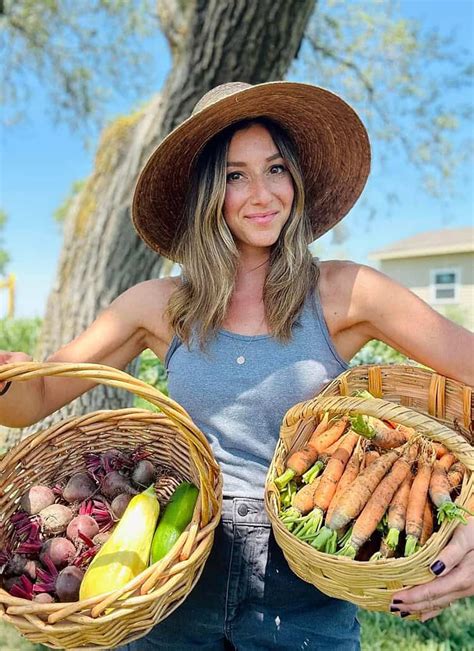
- Harvesting & Celebrating: The ultimate reward! Let them pick ripe fruits and vegetables, connecting the effort directly to the food on their plate.

Kitchen Adventures: Cooking Up Fun
Once the produce is harvested, the real fun moves into the kitchen. Tailor tasks to your child’s age and skill level, always prioritizing safety:
- Toddlers (1-3 years): Washing fruits and vegetables, tearing lettuce, stirring ingredients in a bowl, mashing soft foods.
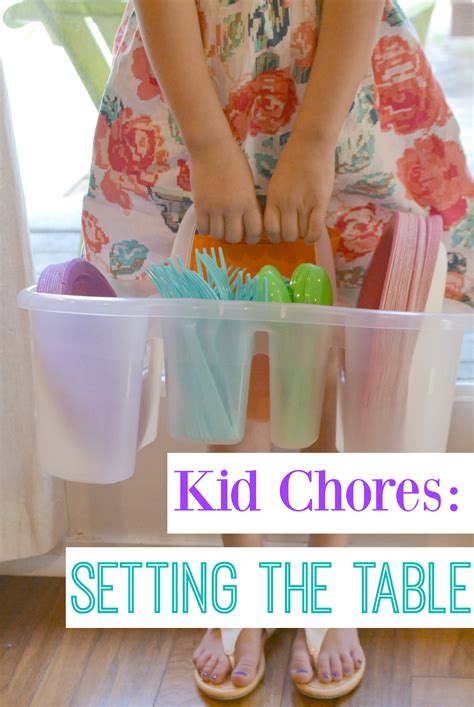
- Preschoolers (4-5 years): Measuring ingredients, pouring liquids, spreading butter or jam, setting the table, stirring simple mixtures.
- School-aged (6-10 years): Peeling vegetables (with a peeler), cutting soft foods with a child-safe knife, cracking eggs, reading simple recipes, kneading dough.
- Pre-teens & Teens (11+ years): Grating cheese, chopping vegetables with supervision, using kitchen appliances, following complex recipes, preparing entire dishes.
Emphasize hygiene, like washing hands before and after handling food, and talk about kitchen safety rules constantly.

Tips for Success: Making it Enjoyable and Sustainable
Keeping kids engaged requires a thoughtful approach. Here are some strategies:
- Start Small & Be Patient: Don’t expect perfection. Focus on the experience, not just the outcome.
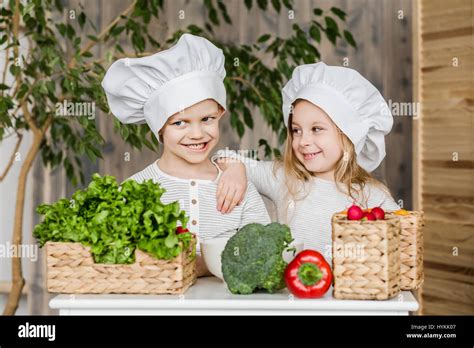
- Make it Fun: Turn tasks into games, sing songs, tell stories, or let them wear a chef’s hat.
- Offer Choices: Let them pick between two vegetables to prep or two recipes to try.
- Involve Them in Meal Planning: Ask what they’d like to eat and help them find recipes.
- Lead by Example: Show enthusiasm for cooking and gardening yourself.
- Celebrate Efforts: Praise their contributions, even small ones.
- Expect Messes: Embrace the fact that cooking with kids can be messy and have cleaning supplies handy.

Delicious Outcomes: Enjoying the Harvest Together
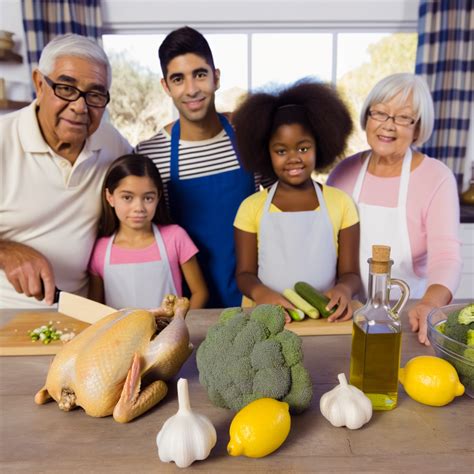
The most rewarding part of the garden-to-table process is sitting down to enjoy the fruits (and vegetables!) of your labor. Children who have been involved in the entire process are more invested in the meal and often more adventurous eaters. This shared experience fosters a sense of accomplishment and togetherness, creating cherished family memories.
By making food preparation and gardening a regular family activity, you’re not just feeding your children; you’re nurturing their growth, instilling invaluable life skills, and cultivating a lifelong appreciation for real, wholesome food.