


How to involve kids in garden chores & real food prep, fostering love for country living?
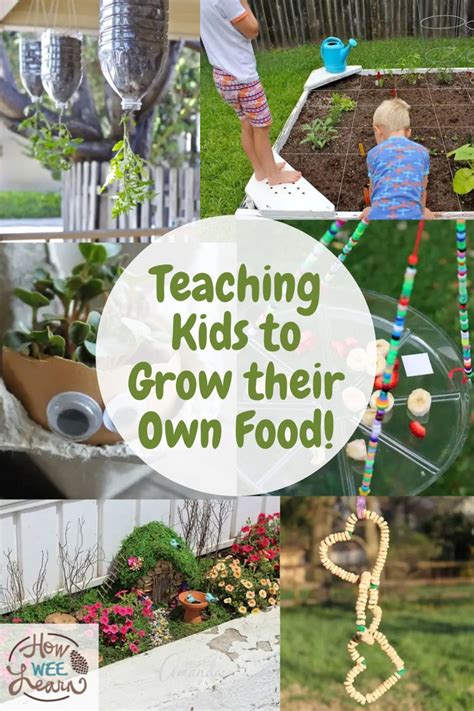
In an increasingly digital world, connecting children with the earth and the origins of their food is more vital than ever. Fostering a love for country living doesn’t require moving to a farm; it simply means embracing opportunities to engage kids in hands-on activities that highlight nature’s bounty and the joy of creation. Involving children in garden chores and real food preparation can instill invaluable life skills, a sense of responsibility, and a deep appreciation for the natural world and healthy eating.
The Root Benefits of Getting Involved
Engaging children in the garden and kitchen offers a treasure trove of developmental benefits. It enhances their motor skills as they dig, plant, stir, and chop. It introduces them to scientific concepts – photosynthesis, insect life cycles, nutrition – in a practical, memorable way. Furthermore, these activities cultivate patience, problem-solving abilities, and a profound respect for the effort required to bring food to the table. Beyond skills, it builds self-confidence, encourages healthier eating habits, and creates lasting family memories.
Getting Hands Dirty: Garden Chores for Every Age
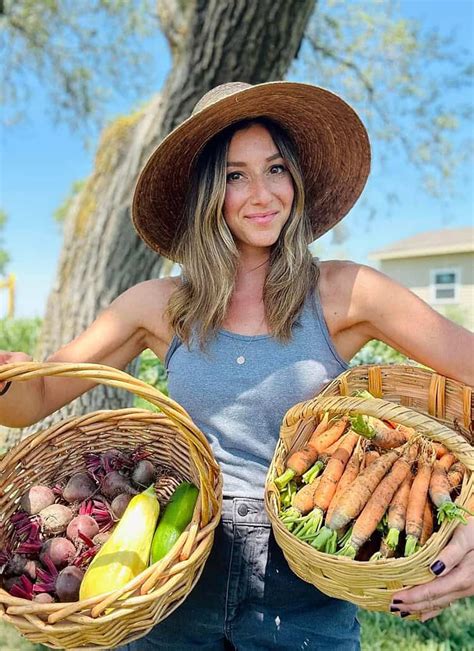
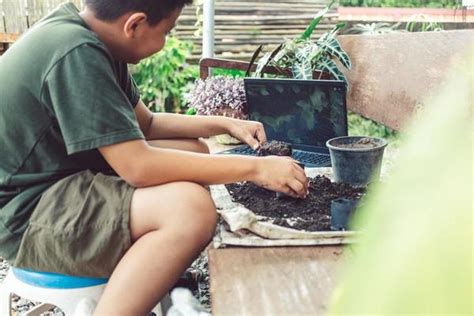
Garden chores can be tailored to suit various age groups, ensuring that every child feels a valuable part of the process. For toddlers and preschoolers, simple tasks like watering plants with a small can, picking ripe berries, or helping to place seeds in pre-dug holes are perfect. Older children (6-10 years) can take on more responsibility: raking leaves, weeding small beds, transplanting seedlings, or harvesting larger vegetables. Teenagers can be involved in planning the garden layout, researching new crops, building raised beds, or even composting, giving them a sense of ownership and deeper understanding of sustainable practices.
Make it an adventure, not just a chore. Provide kid-sized tools, let them choose what to plant, and celebrate every sprouted seed and harvested vegetable. The goal is to make the garden a place of wonder and discovery, not just work.

From Soil to Plate: Real Food Preparation
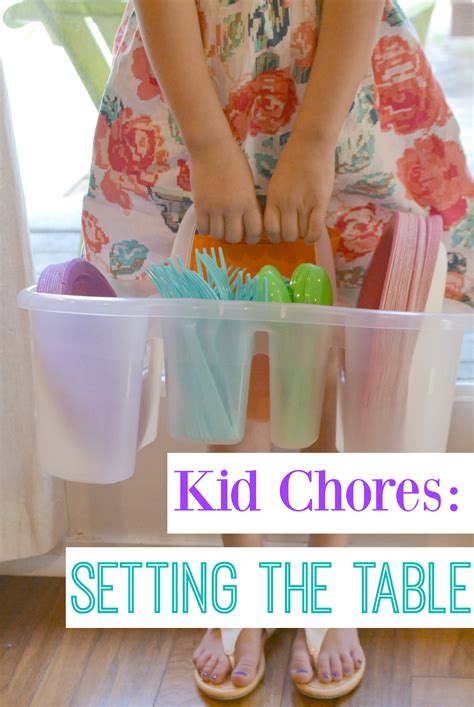
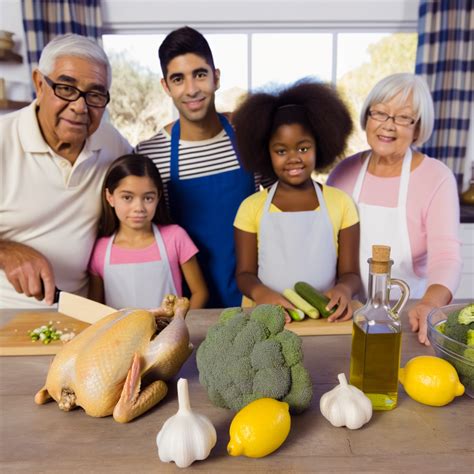
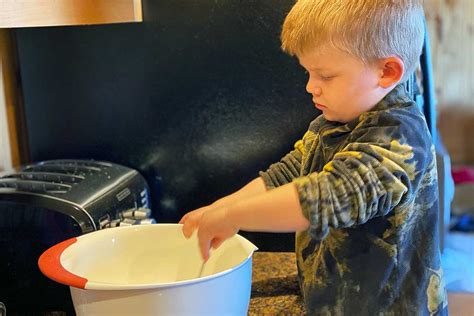
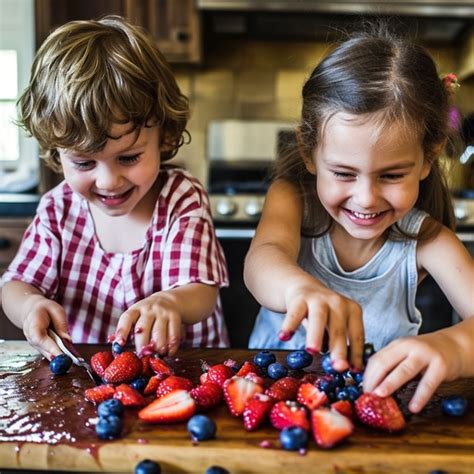
The journey from garden to table is where the magic truly happens. Involving kids in food preparation closes the loop, showing them how their hard work in the garden directly translates into delicious, nourishing meals. Start with simple tasks appropriate for their age. Young children can wash vegetables, tear lettuce for salads, stir ingredients, or help set the table. As they grow, they can learn to measure, crack eggs, knead dough, and eventually, safely use knives under supervision to chop vegetables or fruit.
Choose recipes that highlight your garden’s bounty. Fresh salads, homemade pizzas topped with garden vegetables, fruit tarts, or simple herbal teas are excellent starting points. Let them experiment and take pride in their culinary creations. This direct involvement not only teaches them about healthy ingredients but also makes them more likely to try and enjoy the foods they’ve helped prepare.
Cultivating a Love for Country Living
Beyond the practical skills, involving kids in these activities fosters a deeper connection to nature and an appreciation for a slower, more intentional way of life often associated with country living. They learn about cycles – planting, growing, harvesting, and renewal. They understand where food comes from, rather than just seeing it appear on supermarket shelves. This knowledge builds respect for the land, animals (if applicable), and the environment.
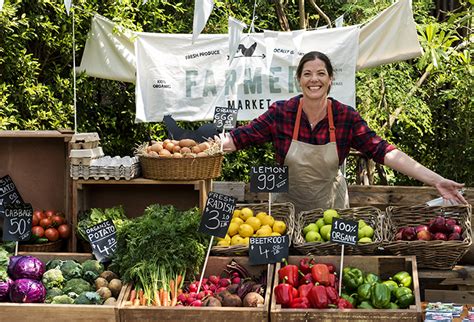
Talk about the seasons, the weather’s impact on crops, and the importance of pollinators. Read books about farming and gardening. Visit local farms or farmers’ markets to see larger-scale operations and connect with producers. These experiences reinforce the lessons learned in your own backyard and expand their understanding of the broader agricultural landscape.

Tips for Sustainable Engagement
- Start Small: Don’t overwhelm them (or yourself!). A few pots on a balcony or a small raised bed is a great start.
- Make it Fun: Turn tasks into games, tell stories, or sing songs while working.
- Be Patient: Expect messes and imperfections. The learning process is more important than a perfectly weeded bed or a pristine kitchen.
- Lead by Example: Show enthusiasm for gardening and cooking yourself. Your passion is contagious.
- Celebrate Successes: Praise their efforts and enjoy the fruits (and vegetables!) of their labor together.
- Let Them Choose: Allow kids to pick some of the vegetables or herbs to grow, or a recipe to try. This ownership increases engagement.
Conclusion
Involving children in garden chores and real food preparation is more than just teaching them to grow carrots or bake a cake; it’s about nurturing their curiosity, resilience, and connection to the world around them. It’s about laying the groundwork for a lifelong appreciation of healthy food, sustainable living, and the simple, profound joys of a life lived closer to nature. These shared experiences not only create cherished family moments but also equip children with essential life skills and a love for the kind of self-sufficiency and mindful living that defines country charm.