How to involve kids in garden harvesting & real food meals?
In a world increasingly disconnected from where our food comes from, involving children in the journey from garden to plate offers invaluable lessons. It’s more than just a chore; it’s an opportunity to teach responsibility, patience, and the joy of creating something with their own hands. By making gardening and cooking a family affair, you can foster healthier eating habits and a lasting appreciation for nutritious, real food.
Why Get Kids Involved in the Garden?
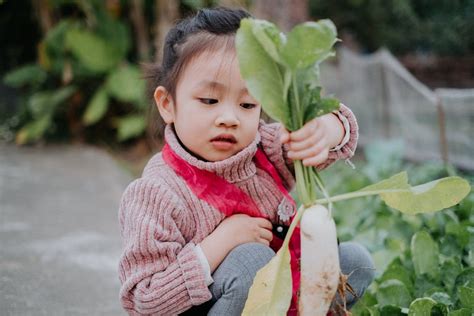
Gardening provides a sensory rich environment perfect for children’s development. They learn about life cycles, the importance of sunlight and water, and the diverse textures and smells of nature. For picky eaters, seeing their food grow from a tiny seed to a ripe vegetable can be a game-changer, sparking curiosity and a willingness to try new things. It’s also a fantastic way to get them outdoors, moving their bodies, and connecting with the natural world.

Simple Garden Tasks for Little Hands
Start small and keep it age-appropriate. Even toddlers can help with watering plants using a small watering can or digging in the soil with child-sized tools. Older children can assist with planting seeds, transplanting seedlings, weeding, or identifying ripe produce. Assign them their own small patch of garden or a few pots to care for, giving them ownership and responsibility over their plants. Choose easy-to-grow vegetables like radishes, cherry tomatoes, snap peas, or leafy greens for quick, rewarding results that keep their interest piqued.
The Excitement of Harvesting
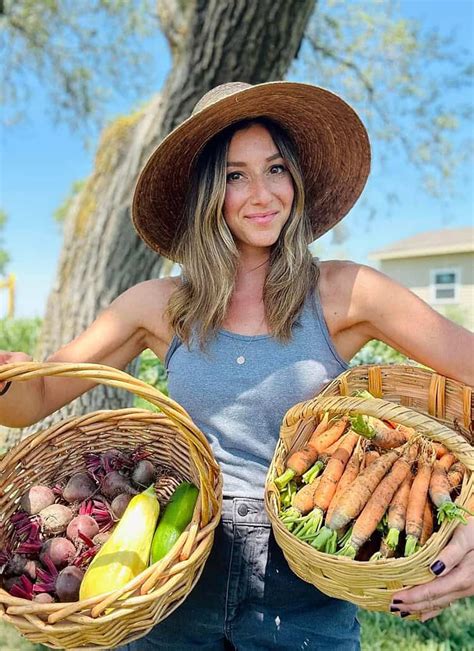
Harvesting is often the most exciting part for kids! Make it a treasure hunt – who can find the ripest strawberry or the biggest cucumber? Teach them how to properly pick each vegetable or fruit without damaging the plant. Provide them with a small basket or bag to collect their bounty. This tangible reward for their hard work reinforces the connection between effort and outcome, and it’s thrilling to see the fruits (and vegetables) of their labor.

Bringing the Harvest to the Kitchen
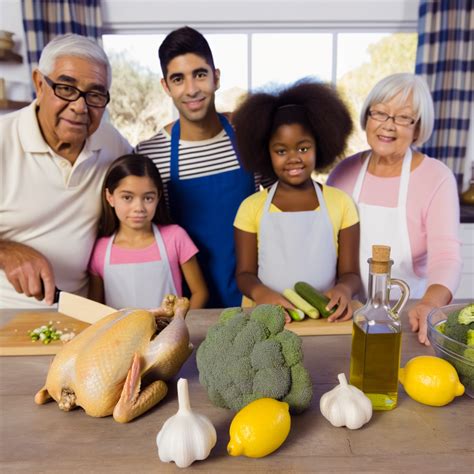
Once the produce is harvested, the real fun begins in the kitchen. Involve children in washing, sorting, and preparing the ingredients. Simple tasks like tearing lettuce for a salad, snapping green beans, or stirring ingredients can be immensely satisfying. Choose recipes that highlight the fresh produce from your garden. Pizzas topped with garden tomatoes and peppers, fresh salads, homemade pesto with basil, or a simple stir-fry are all great options that allow kids to see their efforts directly translated into a delicious meal.

Making Mealtime Meaningful
The final step is enjoying the meal together. Encourage conversation about the food – where it came from, who helped grow it, and how it tastes. Allow children to take pride in their contributions to the meal. This not only encourages them to eat what they’ve helped prepare but also fosters a deeper appreciation for the food itself and the effort involved in bringing it to the table. Family meals become more than just eating; they become a celebration of hard work, nature, and togetherness.

Cultivating Healthy Habits for Life
Involving kids in garden harvesting and real food meals isn’t just about immediate gratification; it’s about planting seeds for a lifetime of healthy habits. They learn about nutrition firsthand, develop essential life skills, and build a stronger connection to their food choices. This holistic approach empowers them to make healthier decisions and appreciate the simple, profound pleasure of eating real, wholesome food they helped bring to life.
So, roll up your sleeves, grab some gardening gloves, and invite your children to join you on this rewarding journey from the soil to your supper plate. You’ll be cultivating much more than just vegetables; you’ll be nurturing curiosity, health, and a love for real food that will last a lifetime.