How to involve kids in garden-to-table cooking tasks easily?
Connecting children with their food sources is a wonderful way to foster healthy eating habits, teach valuable life skills, and cultivate an appreciation for nature. The garden-to-table journey offers a hands-on learning experience that transforms everyday meals into exciting adventures. Involving kids doesn’t have to be complicated; with a little planning and patience, you can make it an enjoyable family activity.
Start Small in the Garden
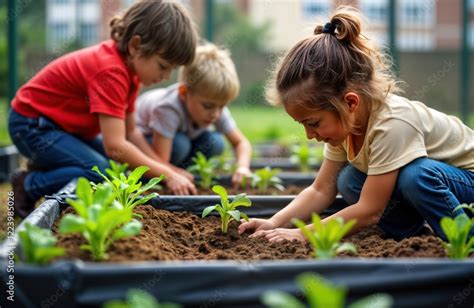
The first step is to get their hands dirty – literally! Even if you have a small space, container gardening or a designated kids’ patch can be incredibly engaging. Choose easy-to-grow plants that yield quick results, like radishes, cherry tomatoes, snap peas, or herbs. Assign children their own watering can or a specific plant to care for. This ownership instills responsibility and excitement for the harvest.
Harvesting: A Treasure Hunt
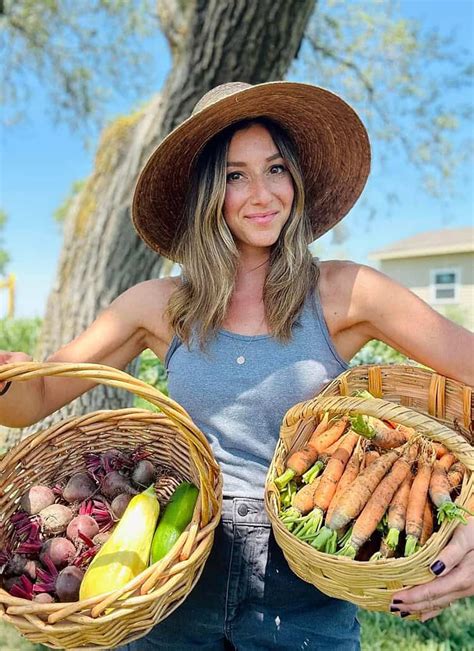
Picking ripe produce is often the most thrilling part for children. Turn harvesting into a treasure hunt by giving them a basket and a mission to find specific vegetables or fruits. Teach them how to identify ripeness and the correct way to pick without damaging the plant. This tactile experience helps them understand where food comes from, far beyond a grocery store shelf.
Bringing it to the Kitchen: Simple Prep Tasks
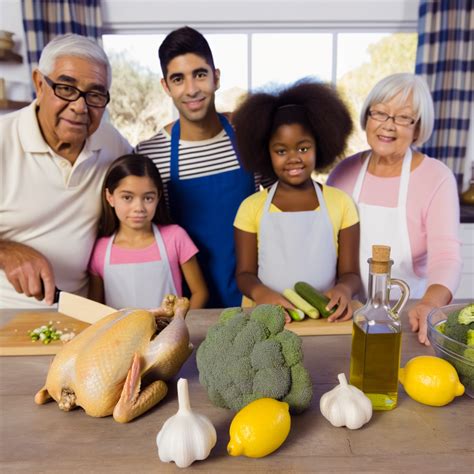
Once the bounty is indoors, involve them in age-appropriate kitchen tasks. Simple jobs like washing vegetables and fruits under cool water, tearing lettuce for a salad, or snapping green beans can be done by even very young children. For older kids, supervised chopping with a child-safe knife or crushing herbs with a mortar and pestle are great ways to develop fine motor skills and confidence.

Cooking Up Fun Together
Transitioning from prep to actual cooking can be a fantastic bonding experience. Choose recipes that are relatively simple and feature your garden’s harvest. No-bake options like fresh salsa, salads, or fruit parfaits are excellent starting points. For cooked dishes, kids can help stir, measure ingredients (with supervision), or season food. Always prioritize safety in the kitchen, teaching them about hot surfaces and sharp tools.
Encourage experimentation with flavors and textures. Let them suggest combinations for a salad or try a new herb from the garden. This creative freedom empowers them and makes them more likely to try new foods.

From Garden to Plate: The Grand Finale
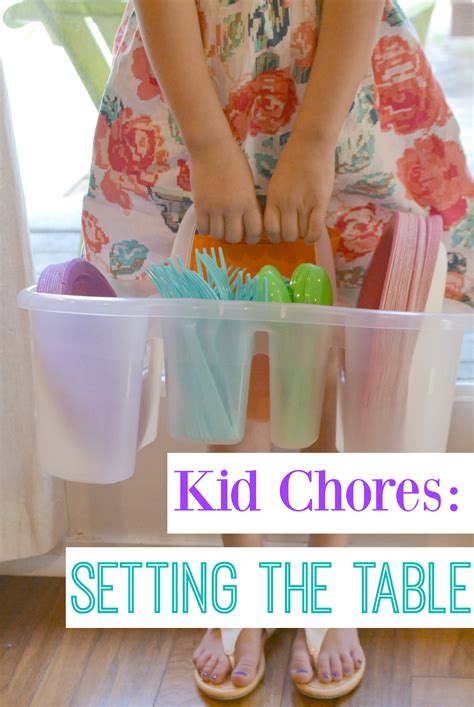
The culmination of their hard work is seeing their efforts served on the dinner table. Involve them in setting the table, plating the food, and even decorating dishes with fresh herbs or edible flowers from the garden. The sense of accomplishment they feel when eating something they helped grow and prepare is immense. This positive reinforcement encourages them to participate again.

Tips for Success and Patience
- Keep it Playful: Frame tasks as games or experiments.
- Be Flexible: Not every dish will be perfect, and that’s okay. Focus on the experience.
- Embrace Messes: Expect things to get a little messy, especially with younger children.
- Provide Tools: Child-sized gardening tools, aprons, and safe kitchen utensils can make tasks easier and more exciting.
- Educate Along the Way: Talk about plant growth, healthy eating, and different ingredients.
- Taste Test Frequently: Encourage them to try everything, even small bites.

Conclusion
Involving kids in garden-to-table cooking tasks is more than just about preparing a meal; it’s about nurturing a connection to nature, developing essential life skills, and creating cherished family memories. By making it accessible, fun, and educational, you’re not just feeding their bodies, but also cultivating curious minds and healthy habits that will last a lifetime.