How to involve kids in garden-to-table meals & homestead chores?
Cultivating Young Gardeners and Chefs
Connecting children with their food source is a powerful way to teach them about nutrition, responsibility, and the natural world. Involving kids in garden-to-table meals and homestead chores isn’t just about getting an extra pair of hands; it’s about nurturing essential life skills, building family bonds, and fostering a lifelong appreciation for healthy food. It transforms everyday tasks into exciting learning adventures, turning mundane chores into meaningful contributions.
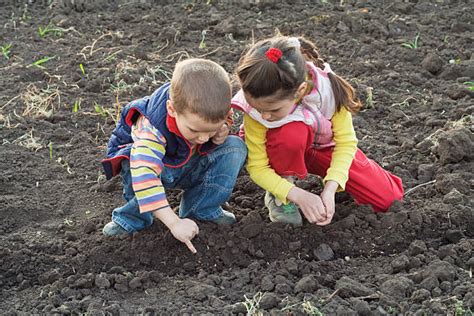
Hands-On in the Garden: Chores for Little Helpers
The garden offers a bounty of age-appropriate tasks for children. Even toddlers can help with simple chores, while older kids can take on more responsibility. The key is to make it fun and give them a sense of ownership.
For Youngest Gardeners (2-5 years old):
- Watering: Provide a small watering can and let them hydrate thirsty plants (under supervision to avoid overwatering).
- Seed Planting: Help them poke holes and drop larger seeds (like beans or peas) into the soil.
- Gentle Harvesting: Picking ripe berries, cherry tomatoes, or snap peas.
For Elementary Age (6-10 years old):
- Weeding: Teach them to identify weeds versus desired plants.
- Compost Duty: Carrying kitchen scraps to the compost bin.
- Transplanting: Gently moving seedlings from trays to the garden bed.
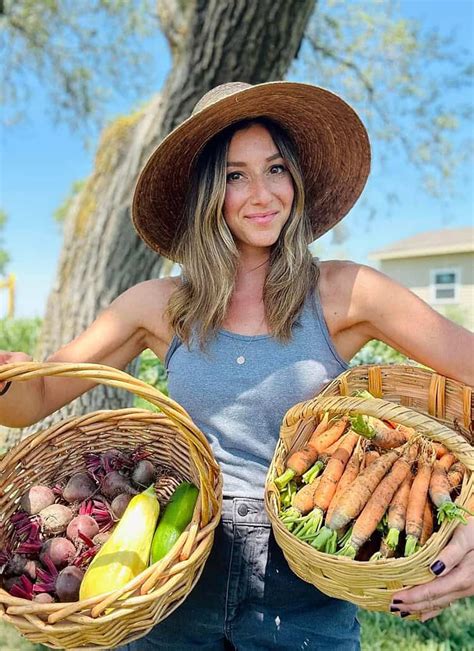
- Major Harvesting: Picking larger vegetables like zucchini, cucumbers, or lettuce.
For Pre-Teens and Teens (11+ years old):
- Garden Planning: Involve them in deciding what to grow and where.
- Soil Amendment: Mixing compost or other amendments into the soil.
- Pest Management: Identifying pests and implementing organic solutions.
- Pruning & Trellising: Helping maintain plant health and structure.
Always ensure they have child-sized tools and understand safety rules. Encourage exploration, like examining bugs or digging for worms, which makes the experience more engaging.

From Soil to Plate: Kitchen Adventures
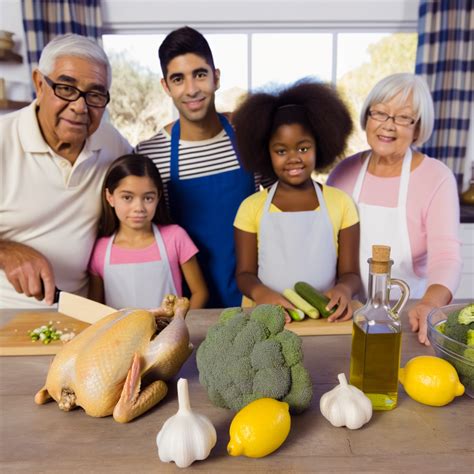
Once the harvest is in, the kitchen becomes the next classroom. Involving kids in meal preparation directly from the garden reinforces the connection between effort and reward, and makes them more likely to try new foods.
Age-Appropriate Kitchen Tasks:
- Washing & Scrubbing: Kids of all ages can wash vegetables and fruits.
- Tearing & Picking: Tearing lettuce for salads, picking herbs off stems.
- Mixing & Stirring: Helping to combine ingredients for salads, sauces, or baked goods.
- Simple Chopping: With supervision and child-safe knives, older kids can chop soft vegetables.
- Measuring Ingredients: A great way to practice math skills.
Start with simple recipes that highlight your garden produce, like a fresh garden salad, homemade salsa, or a zucchini bread. Let them choose a recipe, guide them through the steps, and praise their efforts, even if the result isn’t perfect. The goal is participation and enjoyment.

Tips for Keeping Them Engaged and Learning
Making garden-to-table activities a positive experience requires patience and creativity.
- Start Small: Begin with short, focused sessions. A 15-minute gardening burst is better than an hour of forced labor.
- Offer Choices: Let them pick what seeds to plant or which vegetables to use in a dish. This fosters a sense of ownership.
- Make it Fun: Turn tasks into games. Who can find the biggest tomato? Can we sing a silly song while weeding?
- Educate Along the Way: Talk about how plants grow, why we need water and sun, or where different foods come from.
- Lead by Example: Show enthusiasm for gardening and cooking. Your passion is contagious.
- Celebrate Successes: Praise their efforts and enjoy the fruits (and vegetables) of their labor together. A meal made entirely from your garden tastes extra special.
- Embrace Imperfection: Not every seed will sprout, and not every meal will be gourmet. Focus on the process and the learning.

Beyond the Plate: Life Skills and Lasting Values
Involving children in garden-to-table activities goes far beyond teaching them how to plant a seed or chop a carrot. It instills a deeper understanding of where food comes from, fostering respect for nature and the hard work involved in producing food. They develop critical motor skills, learn patience and responsibility, and gain confidence in their abilities.
These experiences also encourage healthier eating habits by making nutritious food exciting and accessible. Children are more likely to eat vegetables they’ve grown themselves. Ultimately, you’re not just growing food; you’re cultivating curious minds, capable hands, and a strong sense of connection to their family and the world around them.