How to involve kids in garden-to-table meals & reduce screen time?

In an age dominated by digital screens, finding engaging ways to connect children with the natural world and healthy eating habits can be a challenge. The garden-to-table approach offers a powerful solution, transforming meal preparation into an exciting adventure that naturally reduces screen time and fosters invaluable life skills.
Why Garden-to-Table Benefits Kids and Families
Involving children in the entire food journey, from planting a seed to savoring a meal, offers a myriad of advantages. It teaches them patience, responsibility, and where their food truly comes from, combating the disconnect many have with the agricultural process. Beyond practical skills, gardening and cooking together strengthen family bonds, create lasting memories, and encourage healthier eating habits as kids are more likely to try foods they’ve helped grow and prepare.
Starting Small: Engaging Kids in the Garden
You don’t need a sprawling backyard to get started. A few pots on a balcony or a small raised bed are perfect. The key is to choose plants that are easy to grow and yield quick results, keeping children engaged:
- Herbs: Basil, mint, parsley grow well and are easy to harvest.
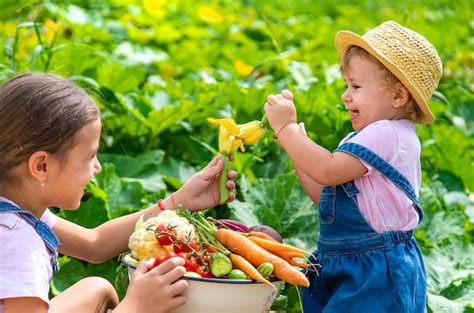
- Cherry Tomatoes: Kids love picking these sweet, bite-sized treats.
- Radishes & Carrots: Watching roots develop is fascinating, and the harvest is quick.
- Lettuce & Spinach: Simple to grow and perfect for salads.
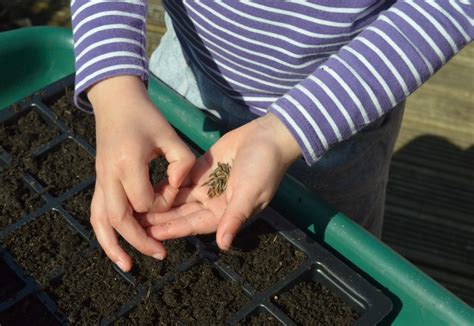
Involve them from the very beginning: let them help choose seeds, dig small holes, plant seedlings, and water regularly. Give them their own kid-sized tools and a designated “patch” where they feel ownership. Celebrate every sprout and bloom to maintain their enthusiasm.

From Harvest to Hearty Meal: Kitchen Adventures
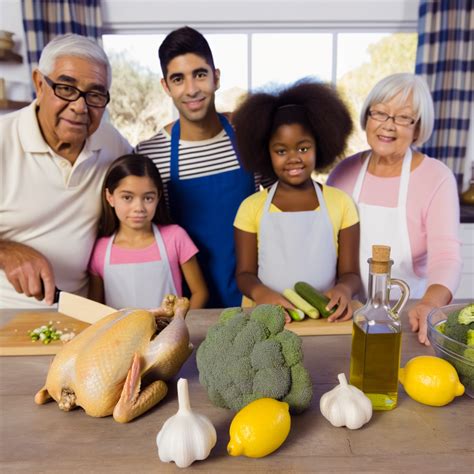
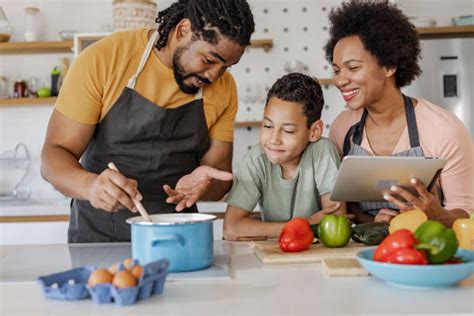
Once your garden yields its bounty, the real fun begins in the kitchen. Transitioning from harvesting to cooking solidifies the garden-to-table connection. Assign age-appropriate tasks:
- Toddlers & Preschoolers: Washing vegetables, tearing lettuce, stirring ingredients, mashing soft foods.
- School-Aged Kids: Measuring ingredients, chopping soft vegetables with kid-safe knives, whisking dressings, kneading dough.
- Pre-Teens & Teens: Following recipes, using kitchen appliances (with supervision), planning meals, seasoning dishes.
Simple recipes are best for involving young helpers. Think homemade pizzas with garden toppings, fresh salads, stir-fries, or even a simple herb omelet. The pride kids feel in eating something they helped cultivate and create is immense, often leading to a willingness to try new foods.
Cultivating a Screen-Free Habit Through Food
The beauty of the garden-to-table approach is how it naturally nudges screen time aside. When children are actively engaged in digging, planting, harvesting, washing, chopping, and cooking, their minds and bodies are fully occupied. These activities are hands-on, sensory-rich, and problem-solving oriented, providing a far more stimulating and rewarding experience than passive screen consumption.
Make gardening and cooking a regular family ritual. Schedule specific “garden time” and “kitchen adventures” each week. This consistent engagement creates a positive routine that fills time slots often occupied by screens. The shared experience around food becomes a cornerstone of family life, fostering communication and connection.
Conclusion: Grow, Cook, Connect
Involving kids in garden-to-table meals is more than just a way to get them to eat their vegetables; it’s an investment in their health, development, and family well-being. By nurturing a connection to food sources and the joy of creation, you’re not only reducing screen time but also cultivating a lifelong appreciation for healthy eating and the simple pleasures of collaborative effort. Start small, be patient, and watch your children—and your garden—flourish.