How to involve kids in garden-to-table meals simply?
Cultivating Curiosity: Why Garden-to-Table Matters for Kids
Engaging children in the journey from seed to supper offers far more than just fresh ingredients; it plants seeds of curiosity, responsibility, and healthy eating habits. In a world often disconnected from food sources, teaching kids where their meals come from can be a truly enriching experience. And the best part? It doesn’t have to be complicated or require a sprawling garden.
By involving them in growing and preparing food, you’re not just creating delicious meals; you’re building lasting memories and fostering a deeper appreciation for nature and nutrition. Let’s explore simple ways to bring this magic into your home.

The Green Thumbs: Simple Steps for Garden Involvement
You don’t need a large plot to get started. Even a few pots on a balcony or a small raised bed can yield surprising results. The key is to choose plants that are easy for little hands to manage and offer quick rewards.
1. Pick Kid-Friendly Plants
- Fast Growers: Radishes, lettuce, spinach, snap peas, bush beans.
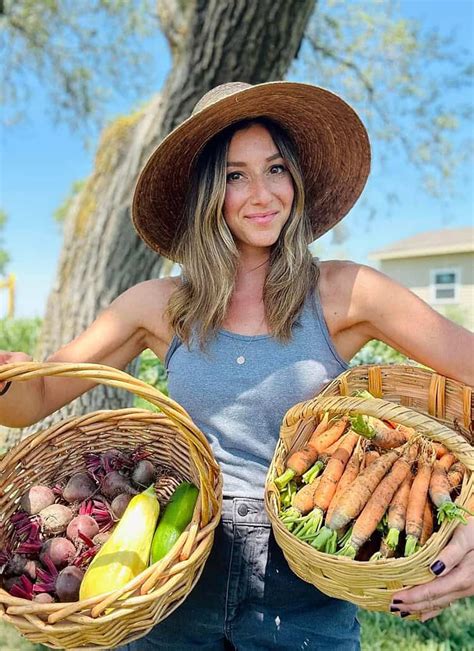
- Easy to Harvest: Cherry tomatoes, strawberries, small bell peppers.
- Herbs: Basil, mint, parsley – wonderful for sensory exploration and cooking.
2. Assign Age-Appropriate Tasks
Even toddlers can help! Give them a small watering can, let them dig in the soil (with supervision), or help pick ripe produce. Older children can be responsible for planting seeds, weeding a designated section, or keeping a garden journal. Make it their “job” and celebrate their contributions.
3. Make it Fun and Engaging
Turn gardening into an adventure. Read books about plants, talk about creepy crawlies, and let them get dirty! Taste-test fresh herbs right from the plant. The more sensory and hands-on the experience, the more they’ll love it.

From Plot to Plate: Engaging Kids in Kitchen Prep
Once the harvest is in, the kitchen becomes the next classroom. This is where children see the direct result of their gardening efforts, making them more likely to try new foods and appreciate the meal.
1. Washing and Prepping
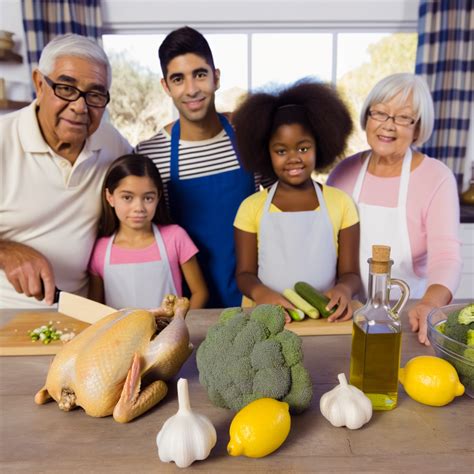
Simple tasks like washing vegetables under cool water, tearing lettuce for a salad, or snapping green beans are perfect for young children. As they grow, they can learn to peel potatoes (with a child-safe peeler), chop soft fruits, or mix ingredients in a bowl.
2. Simple Cooking and Assembly
Involve them in assembling meals. Let them place cherry tomatoes on skewers, sprinkle cheese on a pizza, or whisk together a simple vinaigrette. For cooking, supervise them as they stir ingredients on a low heat or help measure components for a recipe. The more ownership they have, the prouder they’ll be to eat it.

3. The Ultimate Taste Test
Encourage them to try everything, even if it’s just a small bite. When they’ve grown the food themselves, there’s a natural incentive to sample the fruits of their labor. Talk about the flavors, textures, and how the meal nourishes their bodies.
Beyond the Meal: Fostering a Lifelong Love for Food
Garden-to-table experiences aren’t just about the current meal; they’re about building a foundation for healthy eating habits and a respect for food systems. Regularly involving kids in these activities can reduce picky eating and increase their willingness to try new flavors.
Share stories about where food comes from globally, experiment with different recipes using your homegrown produce, and celebrate every harvest, big or small. Over time, these simple moments will weave into a rich tapestry of family life, teaching invaluable lessons about sustenance, patience, and joy.

Conclusion: Simple Seeds, Bountiful Rewards
Involving kids in garden-to-table meals doesn’t require expertise or a massive commitment. Start small, choose simple tasks, and focus on the joy of discovery. From the first sprout to the last bite, these shared experiences will not only put healthier, fresher food on your table but also cultivate valuable life skills and precious family bonds that will last a lifetime.