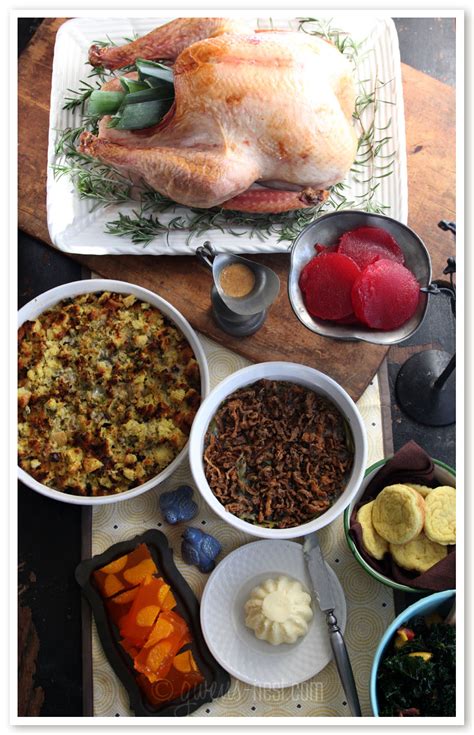
How to involve kids in garden-to-table real food meals?
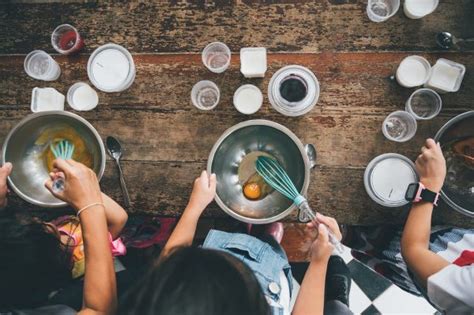
Bringing children into the world of garden-to-table eating is more than just a fun activity; it’s an opportunity to teach invaluable lessons about nutrition, nature, and the joy of shared experiences. In a world increasingly disconnected from food sources, involving kids in growing and preparing their own meals can ignite a lifelong passion for real, wholesome food.
The Benefits of Garden-to-Table with Kids
The advantages of this approach are numerous. Children who participate in growing their own food are often more willing to try new fruits and vegetables. It fosters a sense of accomplishment and pride, enhancing their self-esteem. Furthermore, it teaches patience, responsibility, and the basic principles of biology and ecology. It’s a fantastic way to spend quality family time, away from screens, creating lasting memories.
Starting Small in the Garden
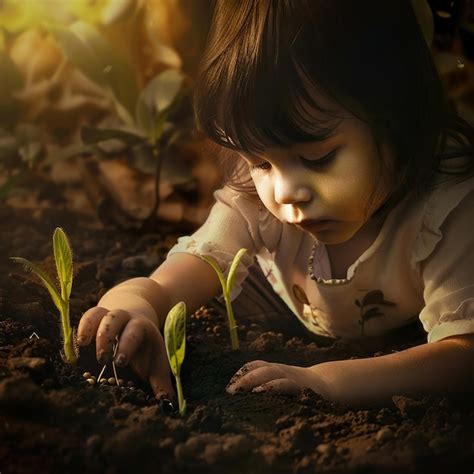
You don’t need a huge backyard or extensive gardening knowledge to get started. Begin with easy-to-grow, fast-yielding plants that will keep kids engaged. Cherry tomatoes, snap peas, radishes, lettuce, and herbs like basil or mint are excellent choices. Give each child their own small plot or a dedicated pot. Let them choose what they want to plant, within reason, to give them ownership over the project.
- Seed Sowing: Show them how to gently place seeds in the soil and cover them.
- Watering: Teach them the right amount of water plants need, and make it a regular chore.
- Weeding: Explain why weeding is important and let them help pull out unwanted plants.

From Garden to Kitchen: Harvesting and Preparing Together
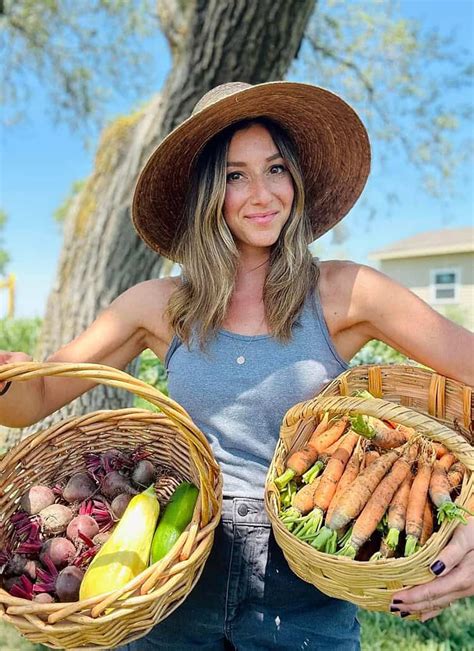
The harvest is often the most exciting part for kids! Teach them how to properly pick ripe vegetables and fruits without damaging the plant. Once indoors, involve them in the cleaning process. Washing lettuce, scrubbing potatoes, or rinsing berries can be simple, satisfying tasks.
This stage bridges the gap between raw ingredients and meal preparation. It’s a sensory experience – feeling the dirt, smelling fresh herbs, and seeing the vibrant colors of newly picked produce. Discuss where the food came from and how it will nourish their bodies.

Cooking Up Family Fun
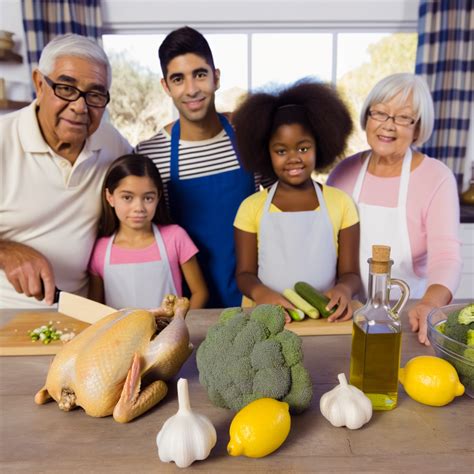
Once the ingredients are prepped, it’s time to cook! Assign age-appropriate tasks in the kitchen. Younger children can tear lettuce for salads, stir ingredients in a bowl, or use cookie cutters on sandwiches. Older children can chop softer vegetables (with supervision), measure ingredients, or help read recipes. Simple recipes that highlight the fresh produce are best. Think salads, pasta dishes with garden tomatoes, or roasted vegetables.
- Safety First: Always supervise children, especially around knives and hot stoves.
- Embrace the Mess: Cooking with kids is often messy, but it’s part of the fun and learning process.
- Simple Recipes: Choose dishes that showcase the fresh produce from your garden.

Enjoying the Fruits of Their Labor
The ultimate reward is sitting down together to enjoy a meal made with ingredients they helped grow and prepare. Kids are often more enthusiastic about eating foods they’ve had a hand in creating. Encourage them to talk about their favorite parts of the process and what they enjoyed most about the meal. This positive reinforcement solidifies the connection between their efforts and the delicious outcome.
Tips for Success and Patience
Remember that the goal is involvement and enjoyment, not perfection. There will be gardening failures, culinary mishaps, and moments of impatience. Embrace them as learning opportunities. Be patient, make it fun, and celebrate every small victory, whether it’s the first sprout appearing or a child willingly trying a new vegetable. The journey of garden-to-table is an enriching experience that nurtures healthy bodies, minds, and family bonds.