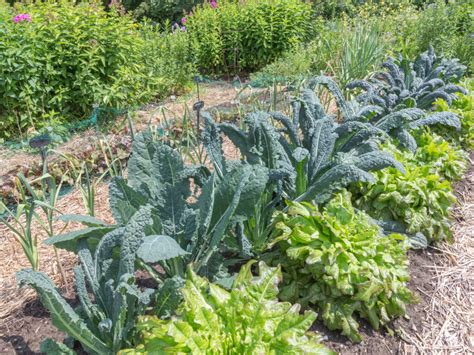



How to involve kids in gardening & real food prep without meltdowns?
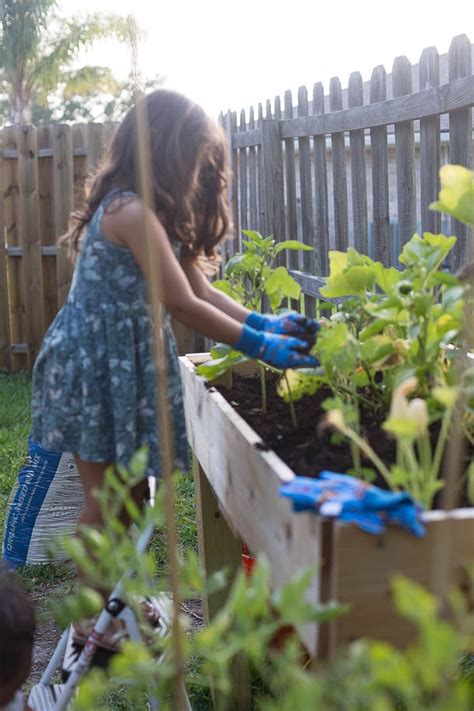
Cultivating Little Helpers: Bringing Kids into the Garden and Kitchen
Many parents dream of their children eagerly helping in the garden or joyfully chopping vegetables for dinner. The reality, however, can often involve spilled soil, sticky messes, and frustrating meltdowns. Yet, involving kids in these foundational activities offers immense benefits, from fostering healthy eating habits and practical life skills to building a connection with nature. The trick lies in making it fun, age-appropriate, and managing expectations.
Why Get Kids Involved in the Garden and Kitchen?
Beyond the immediate help (which might be minimal at first!), inviting children into the world of growing and preparing food provides a wealth of developmental advantages. They learn about where food comes from, the importance of healthy eating, basic science and math concepts, responsibility, and patience. It boosts their confidence, fine motor skills, and can even make picky eaters more adventurous.

Making Gardening a Kid-Friendly Adventure
The garden offers a sensory wonderland for kids. To keep them engaged and prevent frustration, tailor tasks to their age and attention span.
- Start Small: A few pots of herbs or a small raised bed is less intimidating than a huge patch.
- Easy-to-Grow Plants: Choose plants with quick results like radishes, cherry tomatoes, sunflowers, or snap peas. Seeing rapid growth keeps them motivated.
- Give Them Their Own Tools & Space: A child-sized trowel, watering can, and a designated small plot (even a single pot) makes them feel a sense of ownership.
- Hands-On Tasks: Let them dig, plant large seeds, water, and harvest. Focus on the fun, not perfection.
Bringing Them into the Kitchen: Real Food Prep Fun
The kitchen can be a place of exploration and creation. Safety and clear boundaries are key to a positive experience.

Age-Appropriate Kitchen Tasks:
- Toddlers (1-3 years): Washing fruits and vegetables, tearing lettuce, stirring ingredients in a bowl (with supervision), mashing soft foods.
- Preschoolers (3-5 years): Spreading butter or jam, whisking eggs, cutting soft foods with a blunt knife, pouring pre-measured ingredients, kneading dough.
- School-Aged (5+ years): Peeling vegetables with a peeler, measuring ingredients accurately, cracking eggs, using a sharp knife with close supervision, simple stirring on the stove.
Always supervise closely, especially when using sharp tools or heat. Emphasize hygiene like washing hands before and after.
Strategies to Prevent Meltdowns and Foster Joy
The best way to avoid tears is through preparation, patience, and setting realistic expectations.
- Keep it Short & Sweet: Kids have short attention spans. Start with 5-10 minute tasks and build up. Finish before they get bored or frustrated.
- Embrace the Mess: Expect spills and dirt. It’s part of the learning process. Have cleaning supplies ready and try to relax about perfection.
- Offer Choices: Let them pick what vegetable to wash or what herb to plant. Giving them agency increases engagement.
- Focus on the Process, Not Perfection: The goal isn’t a perfectly weeded garden bed or a gourmet meal, but the shared experience and skill development. Praise effort, not just results.
- Be Patient: Things will take longer and be messier. Remember your ultimate goal is bonding and learning, not efficiency.
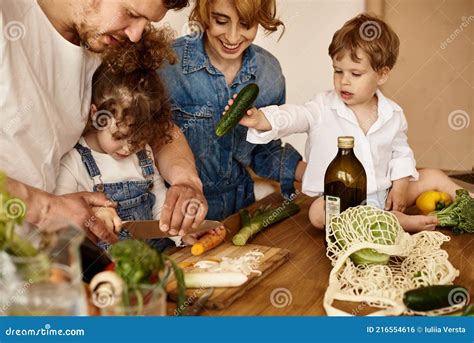
Embracing the Mess and Celebrating Successes
Gardening and cooking with kids are not about achieving culinary or horticultural perfection. They are about creating memories, fostering essential life skills, and nurturing a healthy relationship with food and nature. When a child proudly eats a carrot they helped pull from the ground or a cookie they helped bake, the small messes and extra time become entirely worth it.
So, arm yourself with patience, a sense of humor, and maybe some extra paper towels. The joy and learning your children will gain from growing and preparing real food will be a treasured gift, far outlasting any temporary meltdown.