


How to involve kids in growing and cooking real food?
Engaging children in the journey from seed to plate is a powerful way to cultivate healthy eating habits, teach valuable life skills, and create lasting family memories. In a world often dominated by processed foods, introducing kids to the magic of growing and preparing real food can spark a lifelong appreciation for nutrition and sustainability.
Start with the Soil: Gardening with Little Hands
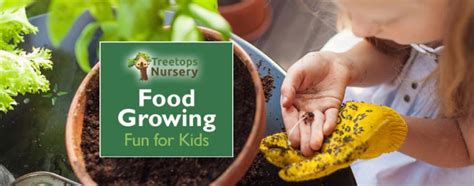
The garden, whether a sprawling backyard patch or a few pots on a balcony, offers a fantastic outdoor classroom. Start small and choose plants that are relatively easy to grow and have a quick turnaround time to keep young gardeners engaged. Think cherry tomatoes, radishes, lettuce, snap peas, or herbs like mint and basil.
Involve your children in every step: from choosing seeds or seedlings, preparing the soil, planting, watering, and eventually, harvesting. Give them their own small tools and a dedicated space if possible. The wonder of seeing a tiny seed sprout into a delicious vegetable is an unparalleled lesson in patience and the cycles of nature.

From Garden to Kitchen: Cooking Up Creativity
Once the harvest is ready, the kitchen becomes the next exciting stage. Cooking with kids doesn’t have to be complicated or messy. The key is to assign age-appropriate tasks and focus on simple recipes that allow them to see the direct result of their efforts, especially with ingredients they’ve grown themselves.
Age-Appropriate Kitchen Tasks:
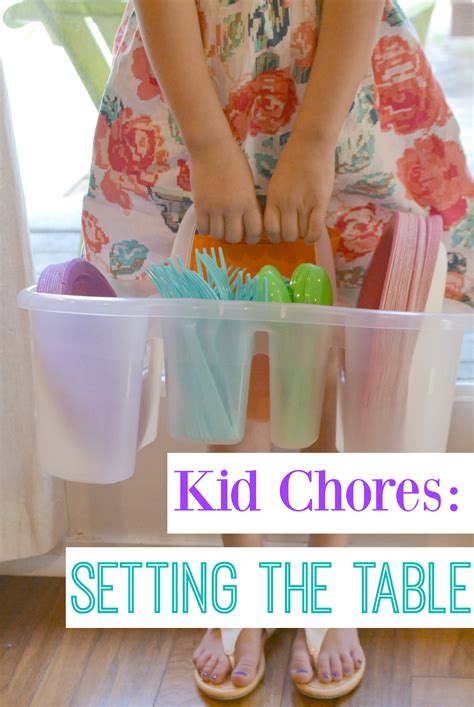
- Toddlers (2-3 years): Washing vegetables, tearing lettuce, stirring ingredients, mashing soft foods.
- Preschoolers (4-5 years): Measuring dry ingredients, pouring liquids, spreading sauces, using child-safe knives for soft foods.
- School-Aged (6-10 years): Peeling vegetables, whisking eggs, cutting with supervision, reading simple recipes, kneading dough.
- Pre-teens (11+ years): Supervising younger siblings, following complex recipes, using kitchen appliances safely, planning meals.
Simple recipes like salads, fruit smoothies, homemade pizzas with garden toppings, or veggie wraps are perfect starting points. Celebrate their contributions, no matter how small, and encourage them to taste-test their creations.

Beyond the Plate: The Lifelong Benefits
The benefits of involving kids in growing and cooking food extend far beyond simply getting them to eat their vegetables. This hands-on experience provides a wealth of educational and developmental advantages:
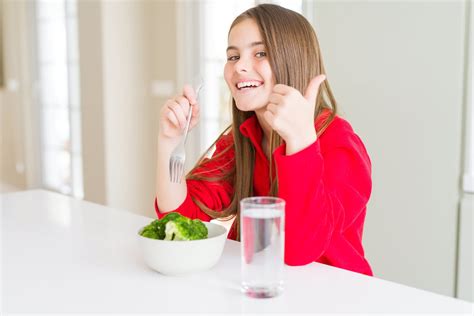
- Nutritional Awareness: They learn where food comes from and how fresh ingredients contribute to a healthy body. They’ll be more likely to try and enjoy foods they’ve helped create.
- Life Skills: Cooking teaches basic math (measuring), reading (recipes), science (chemical reactions in baking), and fine motor skills. Gardening teaches biology, ecology, and patience.
- Responsibility & Confidence: Caring for a plant or successfully making a dish boosts their self-esteem and teaches responsibility.
- Family Bonding: These activities provide quality time together, fostering communication and creating shared experiences.
- Reduced Picky Eating: Kids are often more adventurous eaters when they’ve been involved in the process of growing or preparing the food.

Don’t worry about perfection; focus on the process and the joy of discovery. Even if the first batch of radishes is a bit small or the cookies are slightly burnt, the lessons learned and memories made are invaluable.
Making it a Habit: Tips for Success
- Be Patient: Gardening and cooking take time. Allow for mistakes and learning.
- Keep it Fun: Turn tasks into games, tell stories, or sing songs.
- Lead by Example: Show your enthusiasm for fresh produce and cooking.
- Start Small: Don’t overwhelm yourselves with ambitious projects.
- Celebrate Successes: Praise their efforts and enjoy the fruits (and vegetables) of their labor together.

By inviting children into the world of real food, you’re not just feeding their bodies; you’re nurturing their curiosity, empowering them with essential skills, and sowing the seeds for a healthier, more connected future.