How to involve kids in making real food meals & chores for country living?
Country living offers a unique opportunity for children to connect with the source of their food and understand the work involved in maintaining a home and property. Far from just play, involving kids in making real food meals and tackling daily chores instills invaluable life skills, fosters a strong work ethic, and deepens family bonds. But how do you go about it without it feeling like a burden for them or an uphill battle for you?
Cultivating Culinary Confidence in the Country Kitchen
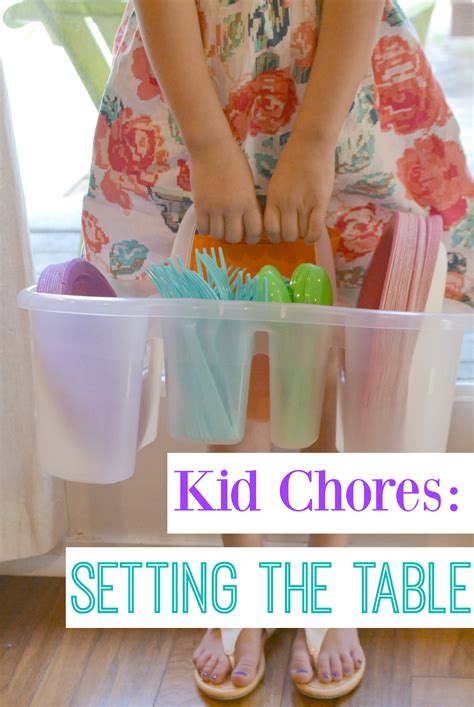
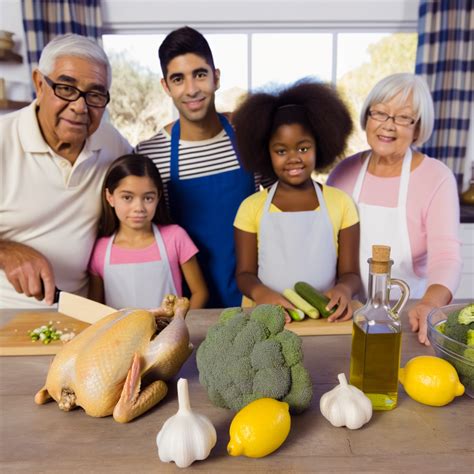
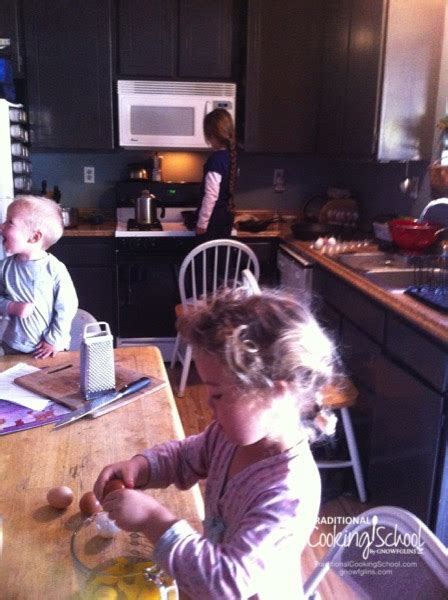
The kitchen is often the heart of a country home, and it’s a fantastic place to start involving even young children. Begin by assigning age-appropriate tasks. Toddlers can wash fruits and vegetables, stir ingredients in a bowl, or hand you items. Preschoolers can measure non-liquid ingredients, tear lettuce, or help set the table. Older children can learn to chop vegetables with supervision, crack eggs, read recipes, and even help plan meals.
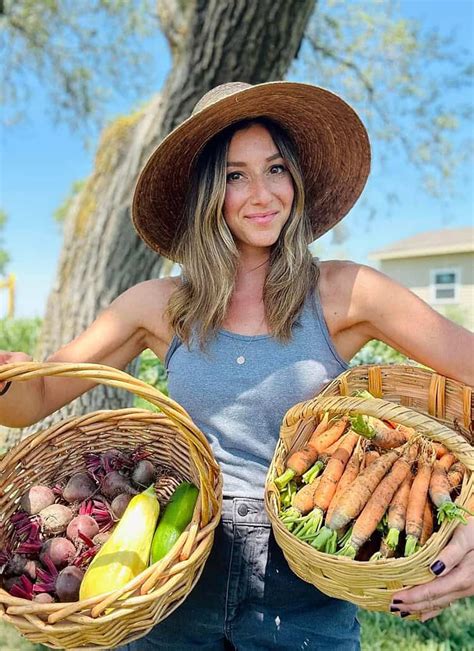
Turn cooking into an adventure. Discuss where the ingredients come from – perhaps from your own garden, local farm, or a specific animal. Encourage them to taste as they go and understand how different flavors combine. Teaching them to cook real food – from scratch – not only builds essential skills but also promotes healthier eating habits by demystifying food preparation and reducing reliance on processed alternatives.
Embracing the Outdoor Rhythms: Chores Beyond the Kitchen
Country living comes with its own set of unique chores that are perfect for involving children. These tasks often have a direct and visible impact, which can be highly motivating for kids. For instance, feeding chickens, collecting eggs, or watering the garden teaches responsibility for living things and the satisfaction of contributing to the family’s food supply.

Beyond animal care and gardening, consider other property maintenance tasks. Younger kids can help rake leaves, gather sticks for a bonfire, or carry small tools. Older children can assist with stacking firewood, weeding larger garden beds, mending fences (with supervision), or helping with basic vehicle maintenance. These activities build practical skills, teach perseverance, and connect them to the land they live on.
Strategies for Success and Sustained Engagement
Involving kids requires patience and a strategic approach. Start small, perhaps with just one meal or one chore a day, and gradually increase their involvement. Clearly define expectations and demonstrate how tasks are done, allowing them to practice without pressure for perfection. Frame chores as contributions to the family unit, emphasizing that everyone plays a part.

Make it fun! Use songs, turn chores into games, or tell stories while working. Celebrate their efforts and successes, even small ones. Positive reinforcement goes a long way. Establish routines so that tasks become a natural part of the day, rather than a negotiable request. Remember, the goal isn’t just to get the work done, but to teach valuable life lessons and foster independence.
The Profound Benefits of Childhood Involvement
The rewards of involving kids in meals and chores extend far beyond clean dishes or a bountiful harvest. Children develop crucial life skills such as problem-solving, time management, and critical thinking. They gain a deeper appreciation for where their food comes from, fostering healthy eating habits and reducing food waste.

Moreover, active participation builds self-esteem, responsibility, and a sense of belonging within the family and community. These shared experiences create lasting memories and strengthen family bonds, preparing them for a self-sufficient and fulfilling future, perfectly aligned with the spirit of country living.

By thoughtfully integrating children into the daily rhythm of real food preparation and country chores, you’re not just getting a helping hand; you’re cultivating capable, confident, and connected individuals ready to thrive in any environment.