How to involve kids in real food garden chores for family connection?
Cultivating Connection: Why Garden Chores Are Family Fun
In an increasingly digital world, finding meaningful ways to connect as a family can be a challenge. Enter the humble garden: a vibrant, tangible space offering fertile ground not just for growing food, but for nurturing stronger family bonds. Involving kids in real food garden chores isn’t just about getting tasks done; it’s about teaching valuable life skills, fostering appreciation for nature, and creating shared memories that last a lifetime.
Imagine your children’s delight as they pull a carrot from the soil or harvest a sun-ripened tomato they helped grow. This hands-on experience transforms abstract concepts like “where food comes from” into a delicious, real-world lesson. More importantly, working side-by-side in the garden creates a unique rhythm of cooperation and conversation, strengthening the family unit one weed at a time.

Making Garden Chores Engaging for Every Age
The key to successful kid involvement is to make tasks age-appropriate, fun, and empowering. Don’t expect perfection; embrace the mess and the learning curve. Tailor responsibilities to build confidence and curiosity.
Toddlers (1-3 years): Sensory Explorers
- Watering: Give them a small, child-sized watering can. The goal isn’t perfect watering, but the joy of the activity.
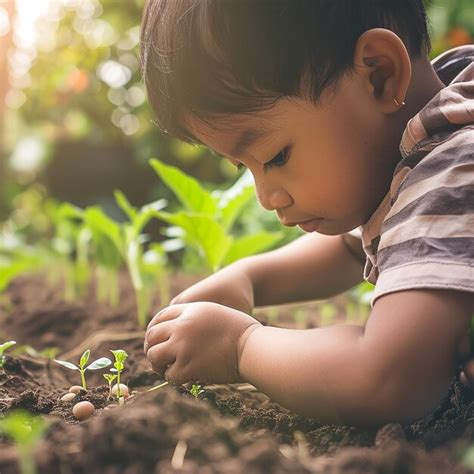
- Digging: Provide a sturdy trowel and a designated digging spot. Let them explore the soil, worms, and roots.
- Harvesting: Simple picks like snap peas, cherry tomatoes, or strawberries (with supervision) are thrilling.
Preschoolers (4-6 years): Little Helpers
- Seed Planting: Show them how to poke holes and drop seeds. Choose large seeds like beans or squash for easy handling.
- Weeding: Teach them to identify weeds versus plants. Start with easily distinguishable ones.
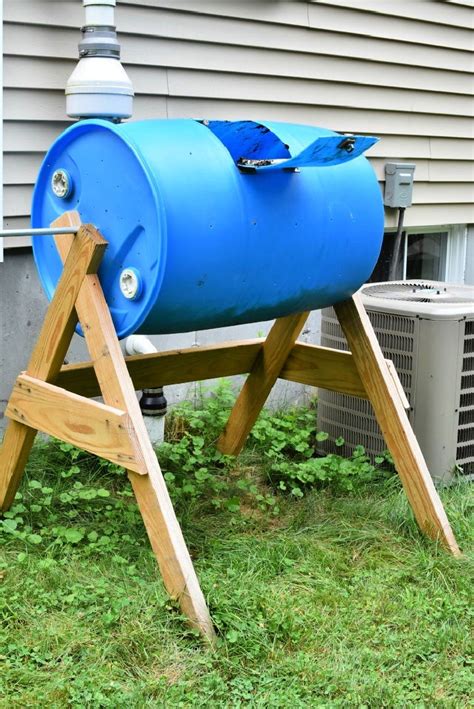
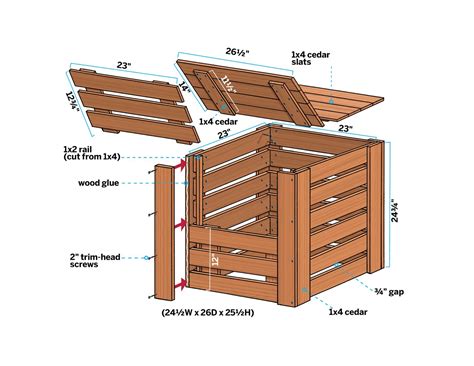
- Compost Duty: Let them add kitchen scraps to the compost bin – a fascinating process!
School-Aged Kids (7-12 years): Developing Responsibility
- Garden Planning: Involve them in choosing what to plant and where. Give them ownership of a small plot.
- Pest Patrol: Teach them about beneficial insects and how to spot common pests.
- Harvesting & Processing: More complex harvesting, washing, and preparing produce for meals.
Teens (13+ years): Contributing and Innovating
- Project Management: Let them take charge of a specific garden project, like building a raised bed or setting up irrigation.
- Record Keeping: Track plant growth, yields, and success/failures.
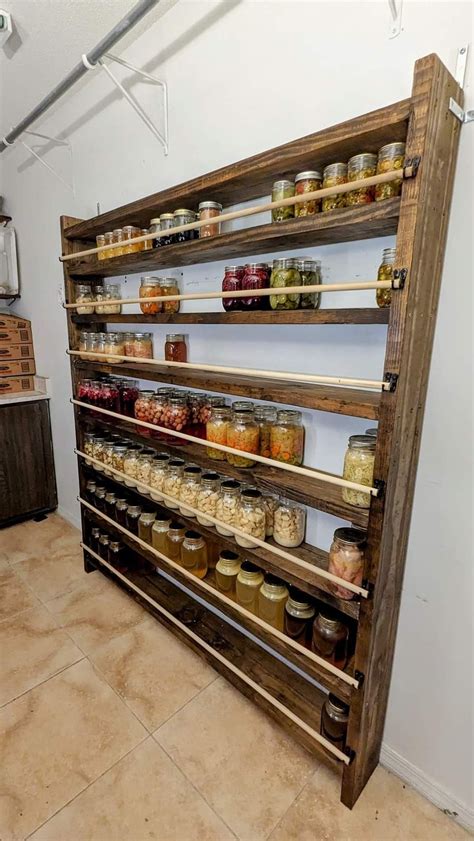
- Preservation: Involve them in canning, freezing, or drying excess produce.
Practical Tips for Fostering Family Garden Connection
Beyond assigning tasks, cultivate an environment where gardening is a shared family experience, not just another chore list.
- Give Them Their Own Space: A small patch of soil or a pot where they can grow whatever they choose fosters a sense of ownership and pride.
- Invest in Kid-Sized Tools: Proper, durable tools that fit their hands make the work easier and more enjoyable.
- Lead by Example: Show enthusiasm for gardening. Kids learn by observing and mimicking.
- Turn it into a Game: “Who can find the biggest worm?” or “Let’s race to water these plants!” can add a playful element.
- Celebrate the Harvest: Make harvesting a special event. Plan meals around the fresh produce.
- Encourage Curiosity: Answer questions about insects, plant growth, and soil. If you don’t know, look it up together!
- Be Patient with Mistakes: Plants might die, seeds might not sprout. Use these as learning opportunities rather than failures.

From Garden to Table: The Ultimate Connection
The true magic of a family garden culminates at the dinner table. When kids have been involved in every step – from planting to harvesting – they are far more likely to try and appreciate the food they’ve helped create. Cooking together with your garden’s bounty extends the family connection and reinforces healthy eating habits.
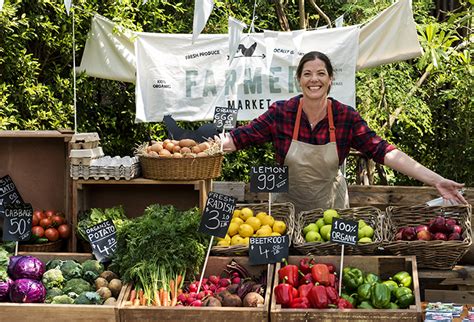
Let them wash vegetables, shell peas, or tear lettuce for a salad. Even simple tasks empower them and deepen their connection to their food. This direct link between effort, nature, and nourishment is a powerful lesson in self-sufficiency and gratitude.

Beyond the Soil: Life Lessons from the Garden
The benefits of involving kids in garden chores extend far beyond the produce you harvest. It’s a living classroom that teaches invaluable life skills:
- Responsibility: Caring for living things.
- Patience: Waiting for seeds to sprout and plants to mature.
- Problem-Solving: Dealing with pests, weather, or unexpected challenges.
- Teamwork: Working together towards a common goal.
- Appreciation for Nature: Understanding ecosystems and the cycle of life.
- Healthy Habits: Encouraging physical activity and an appreciation for fresh, whole foods.
By cultivating a garden together, you’re not just growing vegetables; you’re growing a stronger, more connected family. You’re planting seeds of curiosity, responsibility, and joy that will blossom for years to come.