
How to involve kids in real food garden-to-table meals?
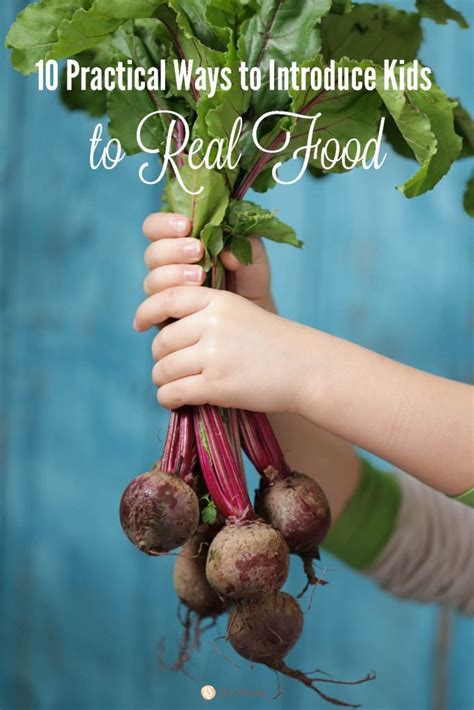
In an age where processed foods often dominate dinner tables, the concept of “garden-to-table” offers a refreshing and incredibly beneficial alternative, especially when kids are involved. Cultivating a garden and transforming its bounty into delicious meals is more than just a culinary pursuit; it’s a powerful educational tool that teaches children about nutrition, sustainability, patience, and the joy of wholesome food. Involving kids in this journey not only expands their palates but also strengthens family bonds and instills valuable life skills.
From Seed to Harvest: Getting Little Hands Dirty
The first step in any garden-to-table adventure is, naturally, the garden itself. Kids are naturally curious and love to explore, making the garden a perfect classroom. Assigning them age-appropriate tasks can turn gardening into a thrilling scavenger hunt and a lesson in responsibility.
Planting the Seeds of Enthusiasm
- Choose Kid-Friendly Crops: Opt for plants that are easy to grow and have a relatively quick turnaround, like radishes, cherry tomatoes, snap peas, strawberries, or herbs. Their rapid growth keeps children engaged and prevents impatience.
- Designate Their Own Space: Give them a small plot or a container that is “theirs” to manage. This sense of ownership significantly increases their involvement and pride.
- Involve Them in Planting: Let them dig small holes, drop in seeds, and gently water. Explain what each seed will become and how it needs care to grow.

Nurturing and Harvesting
Once planted, the real magic begins. Regular visits to the garden to water, check for pests, and observe growth are crucial. Teach them about sunlight, water, and soil.
- Watering Duty: A small watering can makes this an enjoyable and responsible task.
- Bug Patrol: Turn checking for friendly ladybugs or unwelcome aphids into a game of discovery.
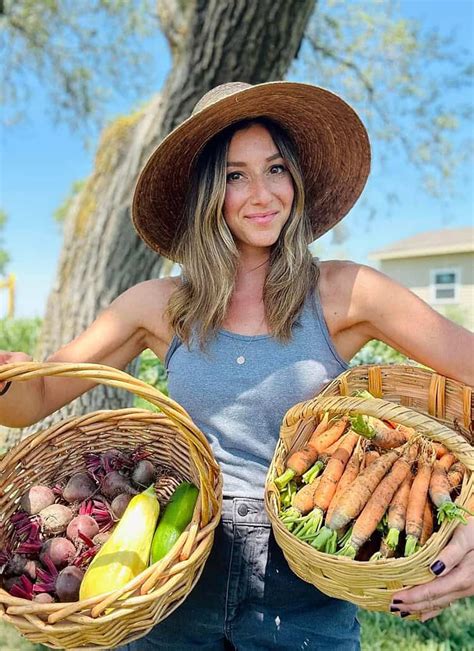
- The Big Harvest: The most rewarding part! Show them how to properly pick ripe vegetables and fruits. The excitement of harvesting something they’ve nurtured is unparalleled.
From Garden to Kitchen Counter: The First Prep Steps
Once the harvest is in, the journey continues indoors. This transition phase is vital for teaching hygiene and the initial stages of food preparation.
Washing and Cleaning
Kids love to play with water, so washing freshly picked produce can be a fun activity. Provide them with a colander and a basin of water, demonstrating how to gently clean dirt from vegetables and fruits.
- Gentle Scrubbing: Teach them how to gently rub produce under running water or in a bowl.
- Leafy Greens Prep: Show them how to tear lettuce or spinach leaves, discarding any wilted parts.

Simple Preparations
Even young children can help with simple, safe tasks that prepare ingredients for cooking.
- Snapping Peas/Beans: A satisfying task that requires minimal skill.
- Tearing Herbs: Tearing basil or mint leaves for a dish.
- Shelling Peas: Great for developing fine motor skills.
Cooking Up Fun: Involving Kids in the Culinary Process
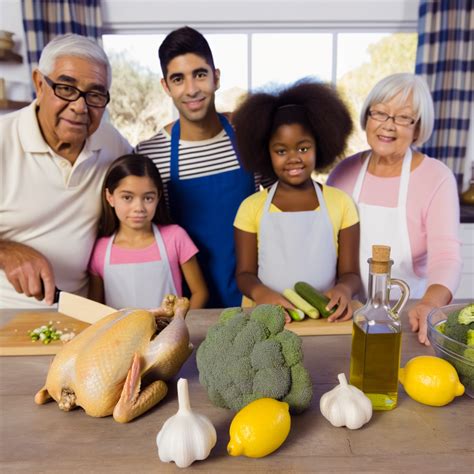
The kitchen is where the garden’s bounty transforms into a meal. Involving kids here builds confidence, teaches basic cooking skills, and makes them more likely to try new foods.
Age-Appropriate Kitchen Tasks
Safety is paramount, so always supervise and provide tasks suitable for their age and skill level.
- Young Children (2-5 years): Stirring ingredients in a bowl, mashing soft vegetables (like potatoes or avocados), adding pre-measured ingredients, tearing lettuce for salads.
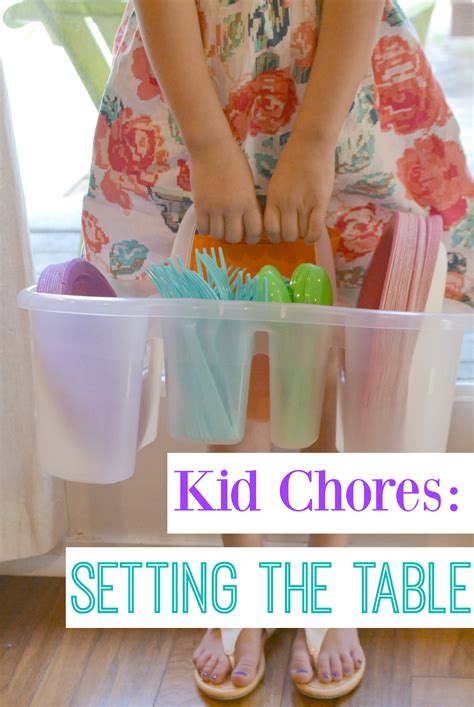
- School-Aged Children (6-10 years): Measuring ingredients, whisking eggs, cutting soft fruits/vegetables with a child-safe knife, kneading dough, setting the table.
- Pre-Teens/Teens (11+ years): Supervising younger siblings, following simple recipes independently, chopping with adult knives (under supervision), learning to operate kitchen appliances.

Simple Garden-to-Table Recipes
Start with recipes that highlight your garden’s produce and are easy to execute with little helpers.
- Garden Salad: A classic. Let them wash and tear greens, add chopped veggies, and mix the dressing.
- Homemade Pizza: They can spread sauce, sprinkle cheese, and top with garden tomatoes, peppers, or herbs.
- Vegetable Stir-fry: A great way to use various garden vegetables. Kids can wash, snap, and add veggies to the pan (with supervision).
- Fresh Fruit Smoothies: Kids can add fruit and yogurt to the blender (with adult help operating it).
The Dining Experience: Celebrating the Harvest
The culmination of all their hard work is sitting down to eat the meal they helped create. This moment is powerful for fostering healthy eating habits and appreciation.
Pride and Palate Expansion
When children have a hand in growing and preparing food, they develop a sense of ownership and pride. This often translates into a greater willingness to try new foods, even those they might typically resist.
- Encourage Storytelling: Ask them to recount their role in the meal – “Remember when we planted these carrots?” or “You helped wash these beans!”
- Acknowledge Their Contributions: Praise their efforts and acknowledge their specific contributions to the meal.
- Model Healthy Eating: Show enthusiasm for the garden-fresh meal yourself.

Beyond the Plate: Life Lessons from the Garden
Involving kids in garden-to-table meals extends far beyond just eating vegetables. It’s a holistic learning experience that nurtures various aspects of their development.
- Understanding Where Food Comes From: This connection helps combat food illiteracy and fosters an appreciation for natural resources.
- Patience and Responsibility: Watching plants grow over weeks teaches patience, and caring for them instills a sense of responsibility.
- Healthy Eating Habits: Children who are involved in growing food are consistently more likely to eat fruits and vegetables.
- Motor Skills Development: Tasks like planting, watering, picking, tearing, and stirring all enhance fine and gross motor skills.
- Science and Nature Exploration: They learn about plant life cycles, ecosystems, weather, and insects firsthand.
- Family Bonding: Shared experiences in the garden and kitchen create lasting memories and strengthen family relationships.

Cultivating a Lifetime of Good Habits
Bringing kids into the world of garden-to-table meals is a wonderful investment in their health, education, and overall well-being. From the satisfying act of pulling a ripe carrot from the soil to the joyful experience of sharing a homemade meal, every step is an opportunity for learning and connection. So, roll up those sleeves, grab a trowel, and invite your children to discover the incredible journey from garden to table – it’s an adventure that promises delicious rewards and invaluable life lessons for the whole family.