How to involve kids in real food meal prep for easier weeknights?

Weeknights can feel like a frantic rush, especially when juggling work, school, and extracurriculars. The constant question, “What’s for dinner?” often leads to quick, less-than-healthy options or stressful last-minute cooking. What if there was a way to alleviate some of that pressure while also teaching your children valuable life skills and promoting healthier eating habits? The answer lies in involving them in real food meal prep.
Transforming Weeknight Chaos with Kid Power
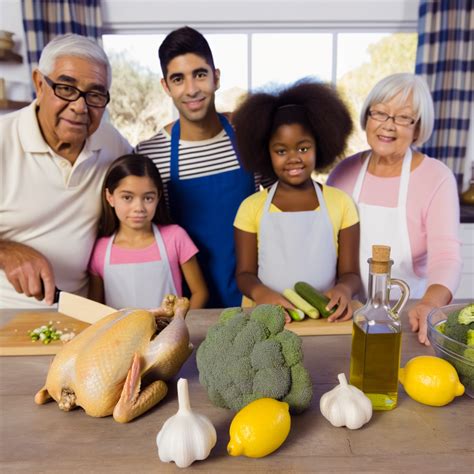
Engaging children in the kitchen isn’t just about getting an extra pair of hands; it’s about fostering independence, building confidence, and creating meaningful family connections. When kids participate in preparing meals, they’re more likely to try new foods and develop a deeper appreciation for healthy eating. It’s an investment that pays off not just in smoother weeknights, but in raising capable, healthy adults.

Why Kid Involvement is a Game-Changer
Beyond the immediate benefit of lightening your load, getting kids involved in meal prep offers a wealth of advantages:
- Life Skills Development: From measuring and counting to following instructions and understanding nutrition, cooking is a practical classroom.
- Picky Eater Solution: Kids are often more willing to eat what they’ve helped create. The sense of ownership can be a powerful tool against picky eating.
- Fostering Independence and Confidence: Successfully contributing to a family meal boosts self-esteem and shows them they are valuable members of the household.
- Quality Family Time: The kitchen can become a place for conversation, laughter, and shared experiences, away from screens and distractions.
- Understanding Food: They learn where food comes from, how it’s prepared, and the effort involved, leading to less food waste.
Age-Appropriate Tasks for Every Child
The key to successful kid-inclusive meal prep is assigning tasks that match their developmental stage and abilities. Safety is always paramount, so supervise closely, especially with younger children and sharp objects.
Tiny Helpers (1-3 years)
Even toddlers can “help”! Their tasks are simple but build foundational skills:
- Washing fruits and vegetables in a colander.
- Stirring ingredients in a bowl (empty or with dry goods).
- Tearing lettuce or other soft greens.
- Handing you items from a low cupboard.
Preschool Powerhouses (3-5 years)
These little ones are ready for more active roles:
- Measuring and pouring dry ingredients with supervision.
- Mashing soft fruits (like bananas for bread) or cooked vegetables.
- Spreading butter or soft cheese.
- Using a plastic or butter knife to cut soft foods (e.g., bananas, cooked pasta).
- Kneading dough.

School-Aged Chefs (6-10 years)
This age group can tackle more complex tasks and develop precision:
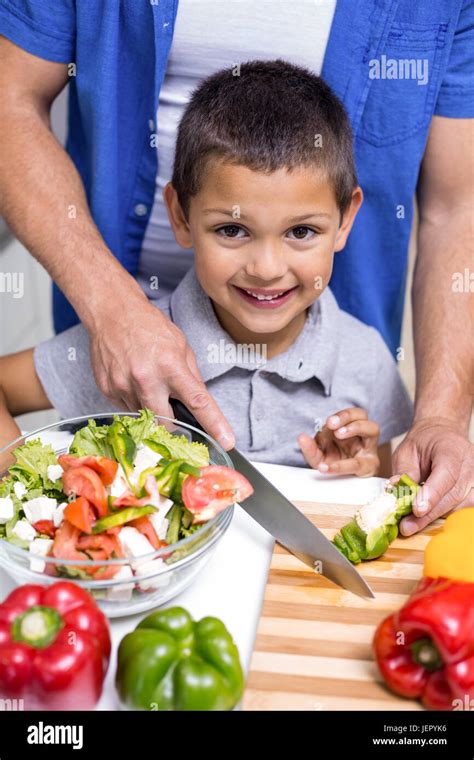
- Chopping vegetables with a kid-safe knife (under supervision) or a regular knife (with close guidance and practice).
- Peeling vegetables with a peeler.
- Cracking eggs.
- Reading simple recipes and gathering ingredients.
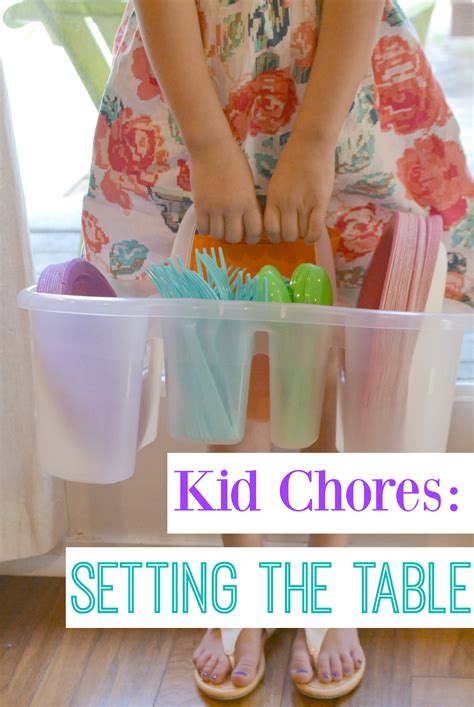
- Setting the table and helping with clean-up.
- Using simple kitchen gadgets like a hand mixer.
Tween and Teen Master Cooks (11+ years)
Older kids can take on significant responsibility, including some independent meal prep:
- Following multi-step recipes independently.
- More advanced knife skills and using kitchen appliances safely.
- Planning menus and grocery lists.
- Marinating meats or vegetables.
- Baking and cooking with heat (oven, stovetop) under supervision.
Tips for a Smooth and Enjoyable Prep Session
To make meal prep a positive experience for everyone, keep these tips in mind:
- Start Simple: Don’t try to make an elaborate three-course meal on your first attempt. Begin with straightforward tasks and build up.
- Embrace the Mess: It will get messy, especially with younger kids. See it as part of the learning process, not a hurdle.
- Patience is Key: Tasks will take longer when kids are involved. Factor in extra time and avoid rushing.
- Safety First: Teach proper knife safety, how to handle hot pans, and the importance of washing hands.
- Let Them Choose: Give them a limited choice of recipes or ingredients to help them feel empowered.
- Make it Fun: Play music, wear silly aprons, or turn it into a game. Positive associations make them want to come back.
- Celebrate Their Contributions: Acknowledge their hard work and praise their efforts. “This soup is extra delicious because you helped chop the carrots!”

Kid-Friendly Meal Prep Ideas
Here are some practical meal prep ideas where kids can easily lend a hand:
- Veggie Prep: Wash, peel, and chop carrots, bell peppers, cucumbers, or celery sticks for snacks, stir-fries, or salads.
- Fruit Power: Wash berries, chop melons, or slice apples for fruit salads, smoothie packs, or snack boxes.
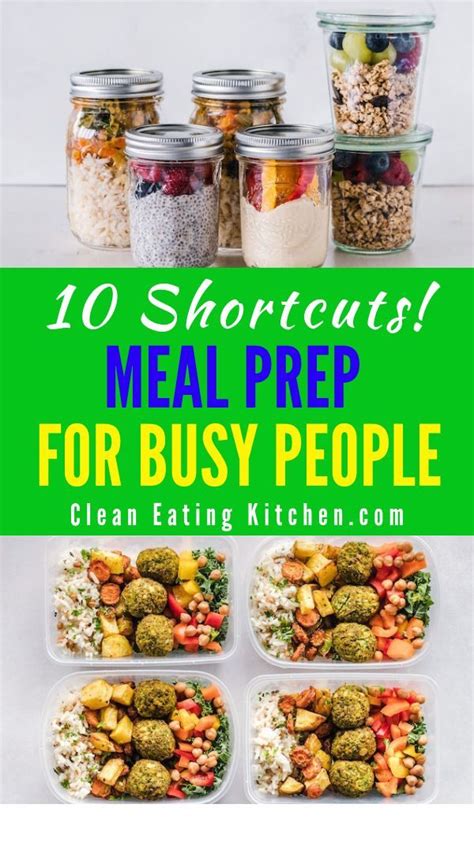
- Breakfast Boosts: Make batches of overnight oats, breakfast burritos, or muffins. Kids can measure, stir, and scoop.
- Salad Stations: Wash and dry greens, grate cheese, or prepare hard-boiled eggs for quick salads throughout the week.
- Portioning Snacks: Divide nuts, dried fruit, or crackers into individual bags for grab-and-go snacks.
- Assembly Line: Set up ingredients for tacos, pizzas, or sandwiches, and let them build their own for future meals.

The Rewarding Outcome of Collaborative Cooking
Involving kids in real food meal prep is more than just a strategy for easier weeknights; it’s an investment in their health, development, and your family’s bond. While it might require a little extra patience and embrace of mess initially, the long-term benefits of raising capable, confident, and healthy eaters are immeasurable. So, tie on those aprons, put on some music, and transform your kitchen into a hub of learning, laughter, and delicious family meals.