


How to involve kids in real food prep & country living chores for lasting skills?
Cultivating Competence: Why Kids Need Real-World Skills
In a world increasingly dominated by screens, the value of practical life skills can sometimes be overlooked. For families living in the countryside or those who simply wish to instill a deeper appreciation for food and work, involving children in real food preparation and country living chores offers an unparalleled educational experience. It’s not just about getting an extra set of hands; it’s about building competence, fostering responsibility, and connecting kids to the source of their sustenance in a profound way.
From understanding the journey of a seed to a plate to caring for animals, these hands-on experiences teach invaluable lessons that extend far beyond the task itself. They develop problem-solving abilities, fine motor skills, patience, and a strong work ethic. Moreover, they create lasting family memories and a sense of shared accomplishment that strengthens bonds.

Involving Kids in Real Food Preparation
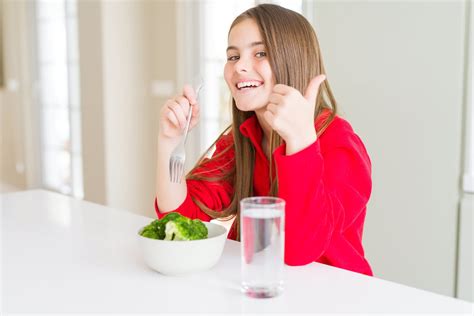
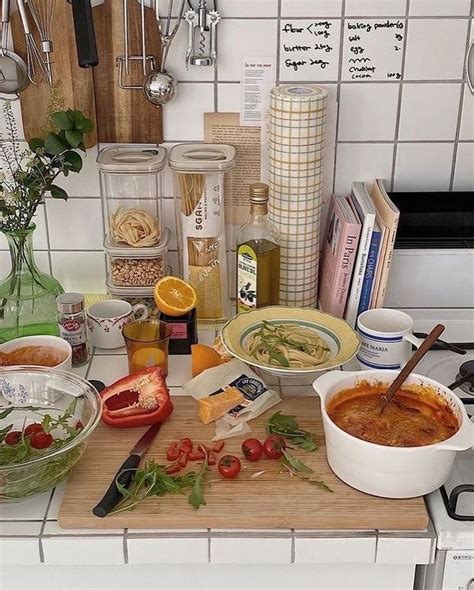
Getting children involved in the kitchen is one of the most direct ways to teach them about nutrition, science, and practical culinary skills. Start with age-appropriate tasks and gradually increase complexity. Even toddlers can help wash vegetables or stir ingredients in a bowl. As they grow, they can learn to measure, chop (with supervision), and follow recipes.
- Gardening for Ingredients: The ultimate farm-to-table experience begins with planting. Let kids choose what to grow, help with watering, weeding, and harvesting. When they’ve nurtured a tomato from seed, they’ll be far more enthusiastic about eating it.
- Cooking from Scratch: Teach them how to make bread, pasta, or preserves. These processes are not only delicious but also reveal the transformative power of simple ingredients. Explain where ingredients come from and the energy required to produce them.
- Preservation Power: Involve them in canning jams, freezing vegetables, or drying herbs. This teaches about seasonality, reducing waste, and self-sufficiency.
Engaging in Country Living Chores
Country living offers a wealth of opportunities for kids to learn responsibility and practical skills. Chores aren’t just tasks; they’re integral parts of maintaining a home, garden, or small farm. Assigning regular, age-appropriate chores helps children understand their contribution to the family unit and the natural cycles around them.
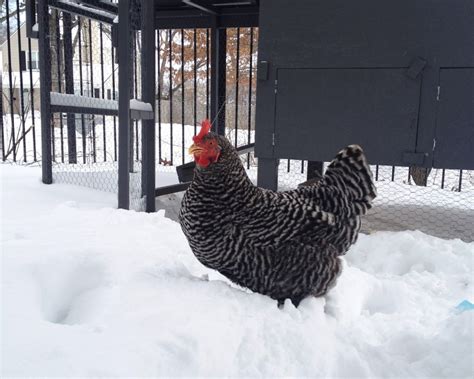
For younger children, tasks like feeding chickens, collecting eggs, or helping to water garden beds can be perfect. As they get older, they can progress to more complex responsibilities:
- Animal Care: Daily feeding, mucking out stalls, grooming, and understanding animal behavior. This fosters empathy and consistency.
- Garden & Field Work: Planting seeds, weeding rows, harvesting crops, turning compost, and even simple landscaping tasks like raking leaves or moving firewood.
- Home & Property Maintenance: Learning basic tool use, helping with simple repairs, painting, or cleaning out gutters (under strict supervision). These tasks build practical dexterity and problem-solving skills.
Making Chores Engaging and Educational
The key to lasting engagement is making these activities meaningful and, often, enjoyable. Don’t just assign tasks; explain the ‘why’ behind them. Why do we weed the garden? Why do we preserve food? Why is it important to feed the animals at the same time each day?
Turn chores into adventures or games. A ‘harvest race’ to see who can pick the most beans, or a ‘mystery ingredient’ challenge in the kitchen can add an element of fun. Provide kids with their own child-sized tools, safety equipment, and clear instructions. Celebrate their successes, acknowledge their effort, and allow for mistakes as part of the learning process.
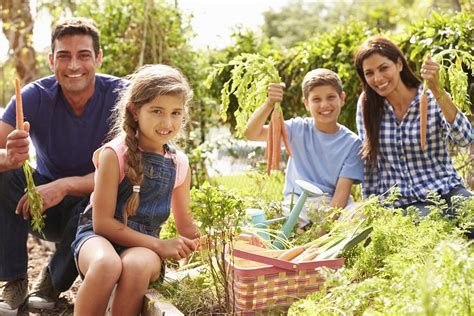
Mentorship is crucial. Work alongside them, demonstrating the proper way to do things and patiently guiding them. This shared experience not only teaches skills but also builds a stronger relationship between parent and child.

The Lasting Impact of Real-World Skills
Involving children in food prep and country living chores isn’t just about managing daily tasks; it’s an investment in their future. The skills they acquire—from cooking a nutritious meal to understanding sustainable practices—are fundamental for self-sufficiency and well-being. They learn resilience, resourcefulness, and the satisfaction that comes from hard work. These experiences foster a deep respect for nature, food, and the effort required to sustain life, equipping them with a foundation of practical knowledge and a strong character that will serve them throughout their lives.