How to involve kids in real food prep without chaos?
Why Get Kids Involved in the Kitchen?
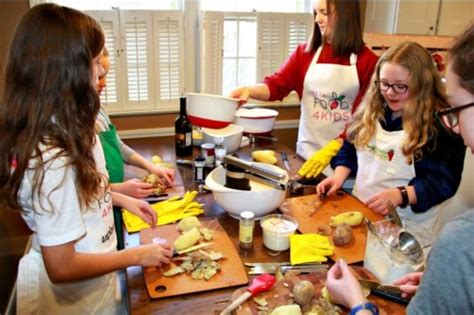
Inviting children into the kitchen to help with food preparation offers a treasure trove of benefits. Beyond the joy of creating something together, it teaches essential life skills, encourages healthy eating habits, builds confidence, and creates lasting family memories. However, the thought of little hands, spilled ingredients, and inevitable mess can often deter even the most enthusiastic parent. The good news is, involving kids in real food prep doesn’t have to descend into chaos. With a little planning and the right approach, it can be a delightful and educational experience for everyone.

Setting the Stage for Success
The key to a smooth cooking session with children lies in preparation and managing expectations. Here’s how to lay a solid foundation:
Choose the Right Time and Tasks
- Timing is Everything: Pick a time when both you and your child are well-rested and not rushed. Avoid meal prep when everyone is already hungry or stressed.
- Start Small: Begin with simple recipes or just a few steps of a larger meal. Gradually increase complexity as their skills grow.
- Focus on One Child (Initially): If you have multiple children, consider starting with one-on-one sessions to gauge their interest and abilities before bringing in the whole crew.
Prioritize Safety First
Safety is paramount. Establish clear kitchen rules and provide appropriate tools.
- Kid-Friendly Tools: Invest in nylon knives for cutting soft foods, small whisks, spatulas, and child-safe aprons.
- Supervision: Never leave children unsupervised, especially near heat sources or sharp objects.
- Hygiene: Teach them to wash hands thoroughly before and after handling food.

Age-Appropriate Tasks for Every Child
Matching tasks to a child’s developmental stage is crucial for engagement and success.
Toddlers (1-3 years)
- Washing fruits and vegetables in a colander.
- Stirring ingredients in a bowl (empty or with dry ingredients).
- Tearing lettuce or herbs for a salad.
- Wiping down counters with a damp cloth.
Preschoolers (3-5 years)
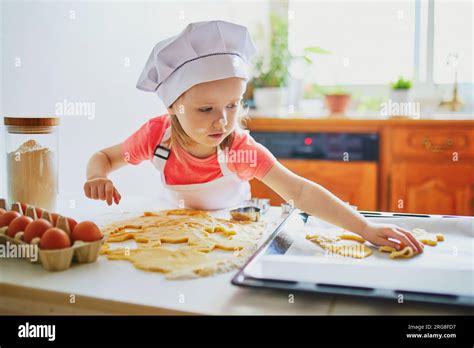
- Pouring pre-measured ingredients.
- Mashing soft fruits (like bananas) or cooked vegetables.
- Using cookie cutters.
- Decorating cookies or cupcakes.
Young Children (6-9 years)
- Measuring dry and liquid ingredients.
- Cracking eggs (over a separate bowl initially).
- Using a dull knife or crinkle cutter for soft vegetables.
- Operating simple kitchen gadgets with supervision (e.g., hand mixer).
Pre-Teens and Teens (10+ years)
- Following a recipe from start to finish.
- Chopping vegetables with proper knife skills (with guidance).
- Operating stove-top or oven appliances (with strict supervision).
- Developing their own simple recipes.
Tips for a Smooth and Enjoyable Experience
Preparation is Key for You
Do some prep work before inviting your child to the counter. Gather all ingredients, lay out utensils, and pre-measure tricky items if necessary. This minimizes wait times and keeps their attention.
Embrace Patience (and Mess)
Expect spills and messes. It’s part of the learning process. A positive attitude from you makes a huge difference. Keep a damp cloth handy and remind yourself that the goal is participation, not perfection.
Make it Fun!
- Engage the Senses: Talk about colors, textures, and smells.
- Taste Testing: Encourage them to taste ingredients along the way.
- Creative Names: Let them name their culinary creations.

Give Them Ownership
Let your child choose a recipe occasionally, or select which vegetable to prepare. When they feel a sense of ownership, they’re more invested.
Clean Up Together
Involve them in the cleanup process. Washing dishes, wiping counters, or putting away ingredients teaches responsibility and completes the full cooking cycle.

Conclusion
Involving kids in real food prep doesn’t have to be a daunting task filled with chaos. By setting clear expectations, prioritizing safety, offering age-appropriate tasks, and approaching the experience with patience and a sense of fun, you can transform your kitchen into a vibrant classroom. The skills and memories created will nourish your children long after the last bite of their homemade meal.