How to involve picky eaters in real food meal prep from the garden?
Turning Green Thumbs into Adventurous Eaters
For many families, the phrase “picky eater” is a daily challenge, often leading to mealtime frustrations and a limited menu. Imagine, however, a scenario where your child not only tolerates but actively enjoys preparing and eating fresh, wholesome food. This isn’t a fantasy, especially when you leverage the power of a home garden. Involving picky eaters in real food meal prep from the garden isn’t just about getting them to eat their vegetables; it’s about fostering a connection to food, understanding where it comes from, and building a sense of ownership over what lands on their plate.
From Seed to Plate: The Garden Connection
The journey to culinary adventure begins long before the food reaches the kitchen. Getting children involved in the garden itself is the first crucial step. Even the most reluctant eaters can be fascinated by the miracle of growth. Start by letting them choose what to plant – cherry tomatoes, snap peas, and strawberries are often kid favorites because they’re sweet and easy to harvest. Assigning small, age-appropriate tasks like watering, weeding a small patch, or simply observing the plants grow can spark curiosity.
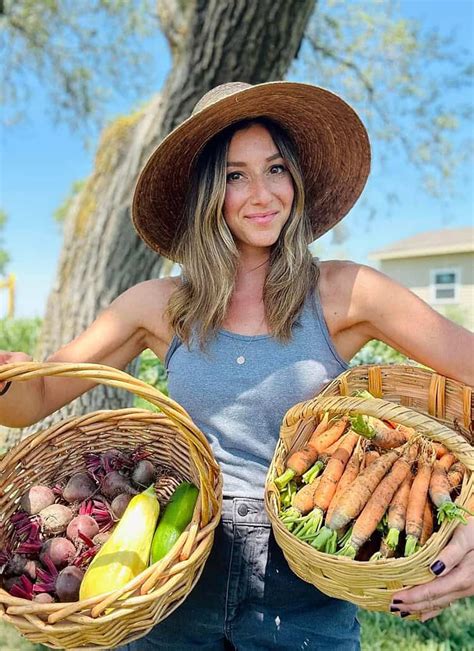
When it’s harvest time, make it a treasure hunt! Let them pick the ripe produce, emphasizing that these are their vegetables, grown by them. This hands-on experience transforms abstract food into tangible achievements, making them more invested in tasting the fruits (and vegetables) of their labor.

Bringing the Bounty Indoors: Kitchen Creativity
Once the harvest is in, the kitchen becomes the next adventure zone. This is where real food meal prep truly begins. Instead of just presenting them with a cooked dish, invite them to participate in the preparation. Simple tasks can make a huge difference: washing vegetables, tearing lettuce for a salad, snapping the ends off green beans, or even stirring a pot (with close supervision). For older children, learning to chop soft vegetables with a child-safe knife can be empowering.
Let them explore the raw ingredients. What do the fresh peas feel like? How does the cucumber smell? This sensory exploration can break down barriers before the food is even cooked. Offer choices: “Would you like the carrots roasted or steamed tonight?” Giving them a say in how their food is prepared increases their buy-in and makes them more likely to try it.

Kid-Friendly Meal Prep: Making it Fun and Accessible
The key to success with picky eaters is making the process enjoyable and low-pressure. Think about recipes that are visually appealing and fun to assemble. Pizzas with garden toppings, homemade spring rolls, or even a build-your-own salad bar using fresh greens and veggies from the garden are excellent choices. Let them assemble their own plates, perhaps arranging their vegetables into fun shapes or faces.
Focus on one or two new ingredients at a time, pairing them with familiar favorites. Celebrate their efforts in the kitchen, regardless of whether they eat everything. The goal is exposure and positive association, not perfect consumption. Remember, repeated exposure to new foods in a positive context is far more effective than force-feeding.

Patience and Persistence: Nurturing New Tastes
Transforming a picky eater’s palate is a marathon, not a sprint. There will be days when they refuse to touch a single garden-fresh pea. That’s okay. Offer small portions of new foods alongside their preferred items, and avoid making it a battleground. Lead by example, enthusiastically enjoying the food yourself. Talk about the flavors, textures, and the fun you had growing and preparing it together.
Continue the cycle of planting, nurturing, harvesting, and cooking. Over time, the consistent exposure, the sense of accomplishment, and the positive family experience will often lead to a broadening of tastes and a greater appreciation for real food. It’s an investment in their health, well-being, and a shared family hobby that extends far beyond the dinner table.