How to involve young kids in daily homestead chores and real food prep?
Homesteading and real food preparation are more than just tasks; they are a lifestyle rooted in self-sufficiency, sustainability, and a deep connection to where our food comes from. While it might seem daunting to include toddlers and preschoolers in these activities, it’s a golden opportunity to instill crucial life skills, foster responsibility, and create lasting family memories. The key is to approach it with patience, creativity, and an understanding of what young children are capable of.
The Benefits of Early Involvement
Integrating young children into daily homesteading and kitchen routines offers a wealth of advantages. Beyond simply getting tasks done, it contributes significantly to their development. Children learn practical skills, enhance their fine motor coordination, and develop a stronger sense of self-efficacy as they contribute to the family’s well-being. It also cultivates an appreciation for where food comes from, making them less likely to be picky eaters and more likely to make healthy choices.

Engaging Kids in Homestead Chores
From tending the garden to caring for animals, there are numerous age-appropriate ways to involve young children in homesteading. The trick is to break down tasks into small, manageable steps and make them fun.
Garden Adventures
- Watering: Give them a small watering can (or even a cup) and assign them a specific plant or small patch to water.
- Planting Seeds: Let them help poke holes, drop in large seeds like beans or peas, and cover them with soil.
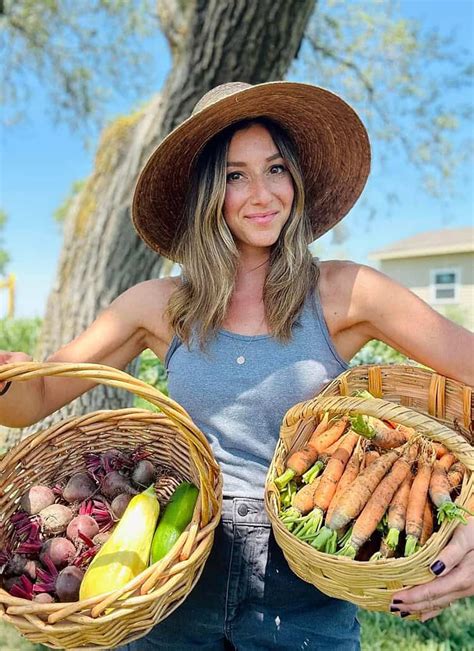
- Harvesting: Assign them easy-to-pick items like cherry tomatoes, snap peas, or strawberries.
- Weeding: Teach them to identify obvious weeds and let them pull the smaller, easier ones.
Animal Care
If you have chickens, goats, or other small livestock, kids can play a role:
- Feeding: Let them scoop feed into bowls or scatter it for chickens (under supervision).
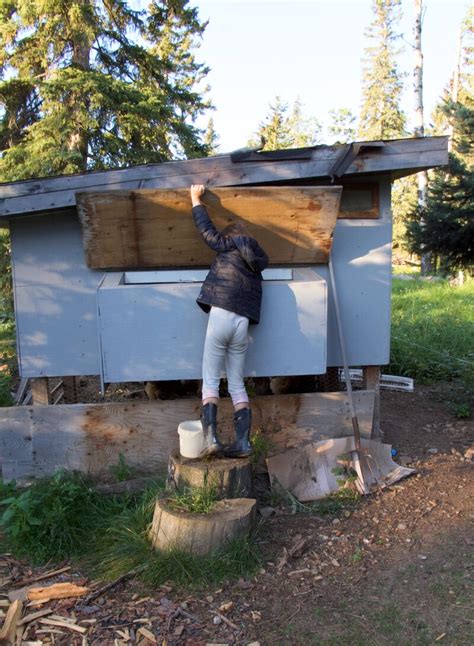
- Egg Collection: For older preschoolers, collecting eggs can be an exciting treasure hunt. Teach them to be gentle.
- Brushing: If you have pets or gentle livestock, a soft brush can be a calming and connecting activity.

Real Food Prep: Little Chefs in Training
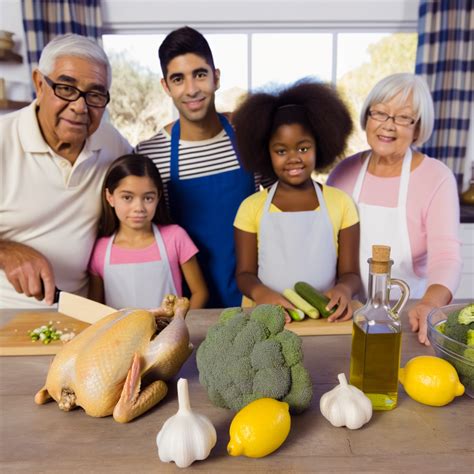
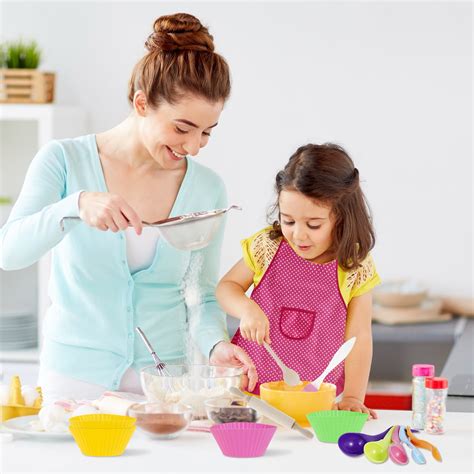
The kitchen is a fantastic classroom for young children. Involving them in food preparation teaches them about ingredients, measurements, and healthy eating, all while building confidence and practical skills. Focus on tasks that are safe and engaging for their age group.
Safe Kitchen Tasks for Little Hands
- Washing Produce: Set up a bowl of water and let them wash fruits and vegetables.
- Tearing Greens: Little hands are perfect for tearing lettuce, spinach, or kale for salads.
- Stirring: Give them a spoon and a bowl to stir ingredients (cold or cooled, of course!).
- Pouring: Help them pour pre-measured ingredients from one bowl to another.
- Mashing: Mash cooked potatoes, bananas, or avocados with a child-safe masher.
- Spreading: Let them spread jam, butter, or hummus on bread or crackers.
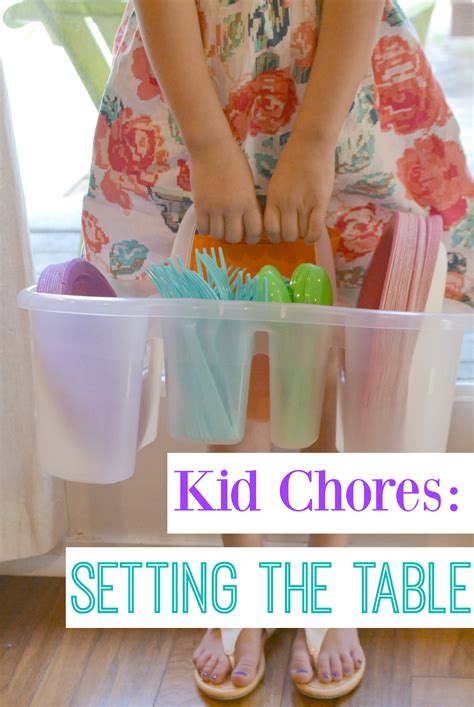
- Setting the Table: Assign them tasks like placing napkins or non-breakable plates.

Tips for Success and Safety
To make these experiences positive and educational, keep the following in mind:
- Prioritize Safety: Always supervise children closely, especially in the kitchen or around animals and tools. Teach them about sharp objects, hot surfaces, and proper hygiene.
- Keep it Age-Appropriate: Tasks should match their developmental stage. What’s fun for a two-year-old might bore a five-year-old, and vice versa.
- Be Patient: Expect messes and slower progress. The goal isn’t efficiency, but involvement and learning.
- Make it Fun: Turn chores into games, sing songs, tell stories, or offer choices to increase engagement.
- Provide Tools: Invest in child-sized tools where appropriate – a small broom, a kid-friendly knife (with supervision), or small gardening gloves.
- Encourage and Praise: Acknowledge their efforts and celebrate their contributions, no matter how small.
- Dress for the Mess: Old clothes or aprons are a must for both homesteading and cooking adventures.
- Explain Why: Talk to them about why tasks are important – “We water the plants so they can grow big and strong,” or “We wash vegetables to get them clean before we eat them.”
Embracing the Journey
Involving young children in homestead chores and real food prep is a journey, not a destination. It requires a shift in perspective from task completion to shared experience. These moments of working side-by-side, learning, and laughing together build strong family bonds and lay the foundation for a lifetime of practical skills, healthy habits, and a deep respect for the natural world.

By making space for our youngest members to contribute meaningfully, we’re not just raising helpers; we’re raising capable, confident, and conscious individuals ready to embrace a real food lifestyle and the responsibilities of caring for their home and environment.