How to involve young kids in daily homestead chores effectively?
Homesteading is more than just a lifestyle; it’s a commitment to self-sufficiency, sustainability, and a deep connection to the land. For families, it presents a unique opportunity to instill invaluable life skills and a strong work ethic in young children. While it might seem daunting to involve toddlers and preschoolers in daily tasks, doing so effectively can foster responsibility, confidence, and a lifelong appreciation for hard work and nature.
Why Involve Young Kids in Homestead Chores?
Beyond simply getting tasks done, involving children in homestead chores offers a wealth of developmental benefits. It teaches them about where their food comes from, the cycles of nature, and the importance of contributing to a communal effort. Children gain practical skills, from caring for animals to understanding plant growth, which builds their self-reliance and problem-solving abilities. Moreover, working side-by-side with parents strengthens family bonds and creates cherished memories, turning routine tasks into meaningful shared experiences.

Age-Appropriate Chores for Little Hands
The key to successful involvement lies in assigning tasks that match a child’s developmental stage and physical capabilities. What might be overwhelming for a toddler could be a fun challenge for a preschooler.
For Toddlers (1-3 years old):
- Simple Gathering: Picking up fallen sticks or large stones in the garden.
- Basic Watering: Using a small watering can for designated plants (with supervision).
- Light Feeding: Helping to place feed into a bowl for small pets or chickens.
- Wiping: Assisting with wiping down low surfaces.
For Preschoolers (3-5 years old):
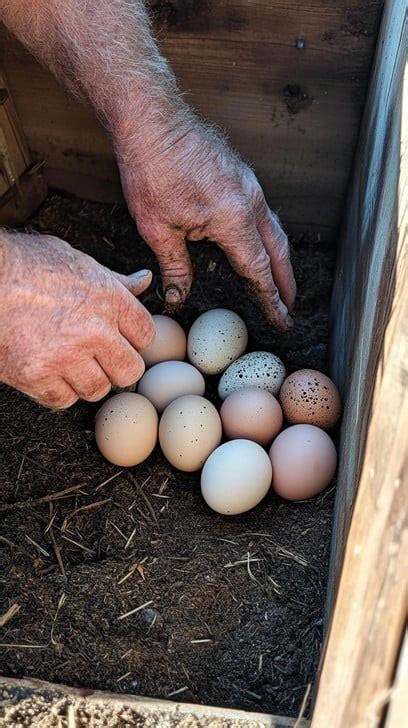
- Egg Collection: Carefully collecting eggs from nesting boxes.
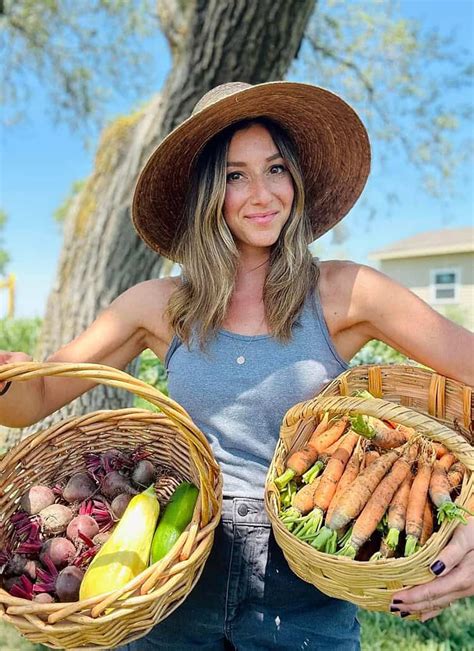
- Vegetable Washing: Rinsing freshly harvested produce.
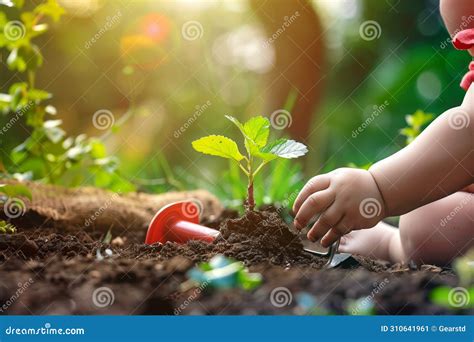
- Seed Planting: Helping to sow larger seeds or transplant seedlings.
- Weeding: Pulling designated weeds (show them what’s a weed!).
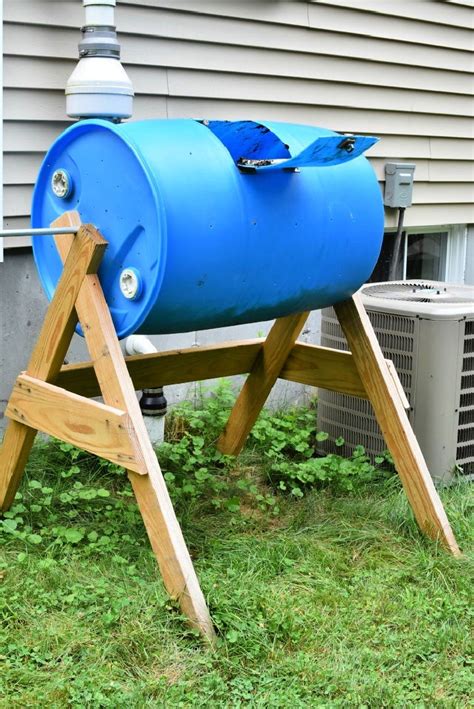
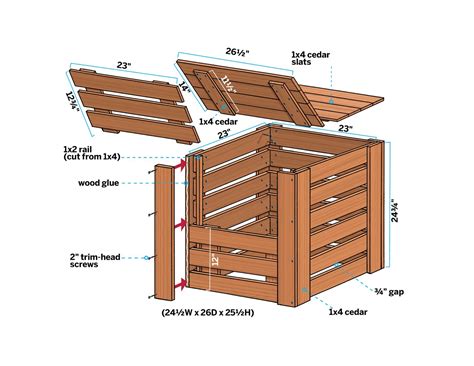
- Compost Contribution: Carrying small scraps to the compost pile.
Making Chores Fun and Educational
Transforming chores from obligations into engaging activities is crucial for sustained involvement. Creativity and a positive attitude from parents can make all the difference.
- Gamify It: Turn tasks into games. “Let’s see who can pick up the most sticks!” or “Can you be my little farmer and find all the ripe tomatoes?”
- Storytelling & Song: Narrate stories about the animals they’re feeding or sing songs about the plants they’re watering.
- Tools of Their Own: Provide child-sized gardening gloves, watering cans, and shovels to make them feel capable and important.
- Explain the ‘Why’: Briefly explain why a chore is important (e.g., “We water the plants so they can grow big and strong for our food”).
- Positive Reinforcement: Praise effort and participation, not just perfection. Acknowledge their helpfulness and contribution.

Tips for Success and Avoiding Burnout
Patience and flexibility are your best allies when involving young children in homesteading. Remember that the goal is participation and learning, not necessarily efficiency.
- Start Small & Short: Begin with very short, simple tasks and gradually increase duration as their attention span grows.
- Lead by Example: Children are natural imitators. Show them how you approach tasks with enthusiasm and purpose.
- Flexibility is Key: Some days they’ll be eager, other days not. Don’t force it; offer choices or try again later.
- Allow for Mistakes: Spilled water or misplaced seeds are part of the learning process. Focus on the effort.
- Celebrate Contributions: Acknowledge their hard work, perhaps with a special “helper” snack or a visual chart of their contributions.
- Safety First: Always supervise children, especially around animals, tools, or hazardous areas.

Cultivating a Love for the Land
Involving young children in daily homestead chores is an investment in their future. It’s about more than just getting tasks done; it’s about nurturing responsibility, teaching invaluable life skills, and fostering a deep, respectful connection to the natural world. By making chores age-appropriate, fun, and educational, you’re not just raising helpers – you’re cultivating capable, confident, and compassionate individuals who understand the true meaning of stewardship and community. Embrace the journey, mess and all, and watch your little homesteaders blossom.