



How to keep backyard chickens healthy and laying through winter cold?
Preparing Your Coop for Winter’s Chill
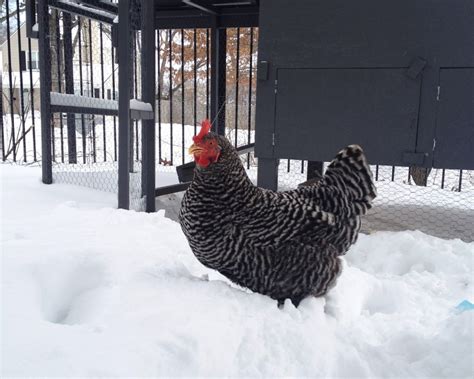
As temperatures plummet, ensuring your chicken coop is winter-ready is paramount for the health and productivity of your flock. The goal isn’t necessarily to make it toasty warm, but rather to protect against drafts, retain some warmth, and keep it dry. Chickens are surprisingly resilient to cold, but drafts and dampness are their biggest enemies.
Insulation and Ventilation: A Delicate Balance
Insulate the coop walls, ceiling, and even the floor if possible. Materials like rigid foam board, straw bales, or even thick cardboard can help prevent heat loss. However, never completely seal off the coop. Adequate ventilation is crucial to prevent the buildup of ammonia fumes and moisture, which can lead to respiratory problems and frostbite. Ensure there are vents near the roofline, away from the roosts, to allow stale air to escape without creating direct drafts on your birds.

Providing Constant, Unfrozen Water
Hydration is critical year-round, but especially in winter. Chickens need access to fresh, unfrozen water to digest their food and produce eggs. Without water, they can dehydrate quickly, leading to decreased egg production and health issues.
Waterer Solutions for Freezing Temperatures
Consider using a heated waterer, which automatically keeps water from freezing. If a heated option isn’t feasible, you’ll need to check the water multiple times a day, breaking ice and refilling as necessary. Placing waterers in a sheltered part of the coop or even bringing them inside overnight can also help. Elevate waterers to keep them cleaner and prevent bedding from soaking up spilled water.
Boosting Their Diet for Energy and Warmth
Chickens expend more energy to stay warm in winter, meaning their dietary needs increase. A well-fed chicken is better equipped to handle the cold and maintain egg production.
High-Calorie Feed and Warm Treats
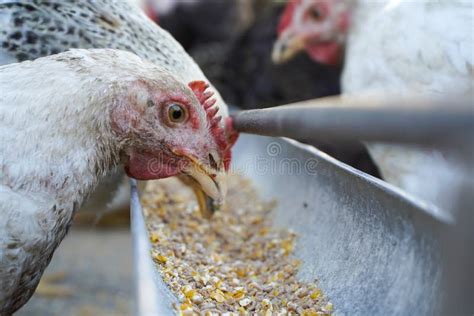
Continue to provide a high-quality layer feed. Supplement this with scratch grains (corn, wheat, oats) given in the late afternoon. The digestion of these grains generates internal body heat, helping them stay warm overnight. Warm treats like cooked oatmeal, scrambled eggs, or even warm vegetable scraps can be a welcome caloric boost and a source of enrichment.
Protecting from Wind and Wet Conditions
While chickens can tolerate cold, they struggle with a combination of cold and wind, or cold and wetness. Protection from these elements is vital.
Windbreaks and Dry Bedding
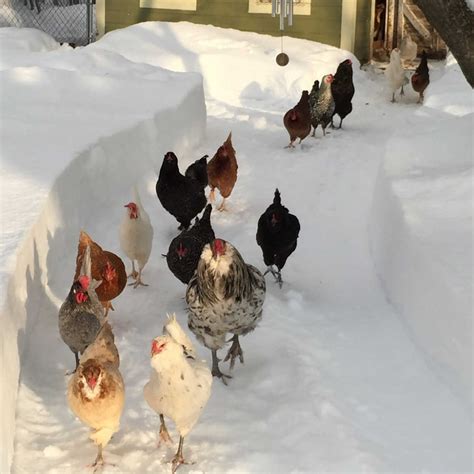
Ensure your coop is positioned or has external windbreaks to shield it from prevailing winds. Inside, maintain a deep litter system. A thick layer (6-12 inches) of pine shavings, straw, or other absorbent bedding provides insulation from the cold ground and, when managed correctly, generates a small amount of heat as it decomposes. Keep the bedding dry to prevent frostbite on combs and wattles and to avoid respiratory issues.
Considering Supplemental Light for Laying
Egg production naturally decreases in winter due to shorter daylight hours. Chickens need 14-16 hours of light per day to maintain consistent laying. If you want to keep your hens laying through winter, supplemental light is an option.
Using a Timer Wisely
A low-wattage LED bulb (around 40 watts) on a timer, providing light for a few hours in the morning or evening, can trick your hens’ systems into continued laying. However, be consistent once you start, as erratic lighting can stress the birds. Also, be aware that continuous winter laying can shorten a hen’s overall laying lifespan, so weigh the pros and cons for your flock.
Encouraging Roosting and Activity
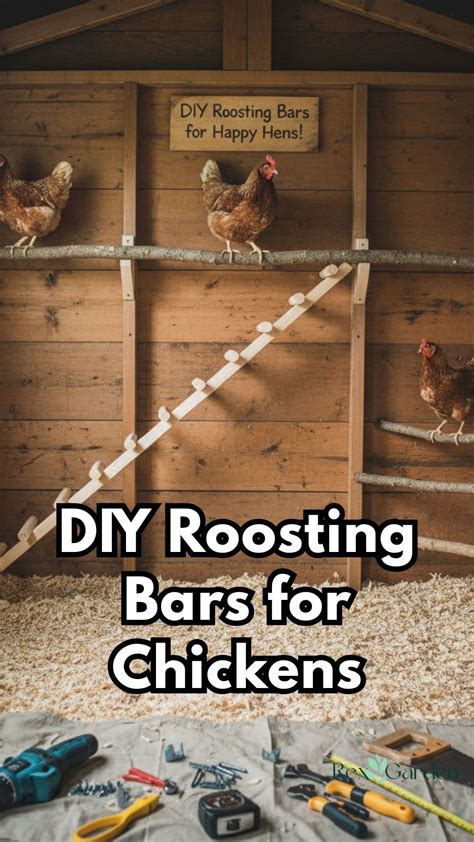
Roosting off the ground is crucial for chickens, especially in cold weather, as it keeps them away from cold, damp surfaces and helps them conserve body heat. Their natural instinct is to huddle together on roosts.
Proper Roosting Bars and Enrichment
Provide sturdy, wide roosting bars (2x4s with the wider side up are ideal) positioned at varying heights. This allows birds to choose their preferred spot and huddle for warmth. To combat boredom and keep them active during limited outdoor time, hang treats like cabbage or suet cakes, or scatter scratch in a protected run area to encourage foraging.
Monitoring Health and Wellness Closely
Winter can be a challenging time for chickens, making close observation essential. Regular health checks can catch problems early before they become serious.
Checking for Signs of Distress
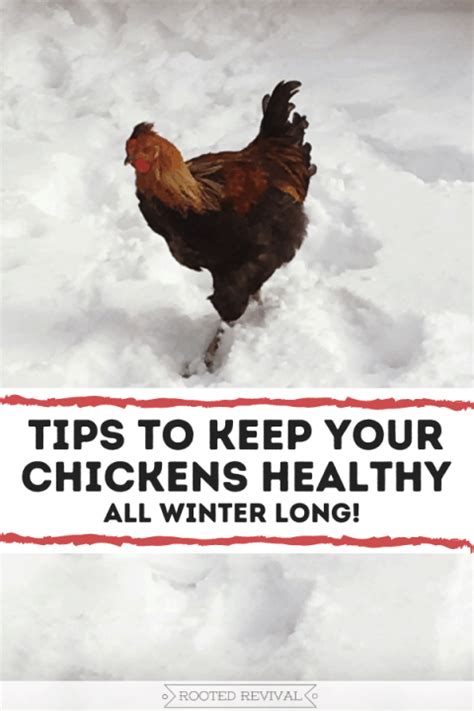
Look for signs of frostbite on combs, wattles, and toes, especially in breeds with large combs. Watch for lethargy, ruffled feathers (unless they’re just fluffing up for warmth), decreased appetite, or respiratory symptoms like sneezing or coughing. A healthy chicken in winter will still be active, alert, and have bright eyes. Isolate sick birds immediately to prevent the spread of illness.
Conclusion
Keeping backyard chickens healthy and laying through winter requires proactive planning and consistent care. By focusing on a well-prepared coop, ample food and unfrozen water, protection from the elements, and vigilant health monitoring, you can help your flock not only survive but thrive during the coldest months. Your efforts will be rewarded with robust, happy hens and, often, a steady supply of fresh eggs.