How to keep backyard chickens healthy & laying eggs through winter?

As the days shorten and temperatures drop, backyard chicken keepers face the challenge of maintaining their flock’s health and egg production. While some reduction in laying is natural during winter, proactive measures can help your chickens stay healthy, comfortable, and continue to provide fresh eggs.
Ensuring a Warm & Safe Coop
Your chickens’ coop is their primary defense against winter’s harsh elements. It’s crucial to ensure it’s draft-free but still well-ventilated to prevent moisture buildup, which can lead to respiratory issues. Seal any cracks or gaps in the walls, but leave ventilation near the roofline to allow stale air and ammonia to escape. Avoid insulating too tightly, as fresh air is vital.
Deep litter method can also help generate a small amount of heat through decomposition, while providing insulation and reducing chore frequency. Ensure adequate bedding (straw or pine shavings) on the floor and in nesting boxes for warmth and comfort. Heaters are generally not recommended unless temperatures are extremely severe and you have a very secure, fire-safe setup, as chickens can acclimate to cold and excessive heat can lead to shock when they go outside.

Optimal Nutrition & Hydration
Chickens burn more calories in winter to stay warm, so their dietary needs increase. Provide a high-quality layer feed with slightly higher protein and energy content. Supplement their diet with cracked corn or scratch grains in the afternoon; this provides extra calories that generate internal heat as they digest it overnight. Ensure they have constant access to grit to aid digestion, especially if they’re not ranging much.
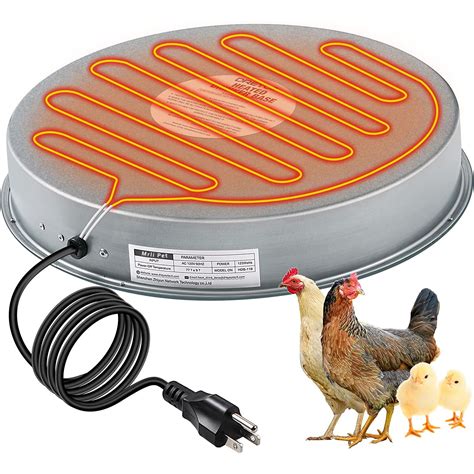
Water is perhaps the most critical element. Chickens won’t eat if they can’t drink, and dehydration quickly leads to health problems and a halt in egg production. Preventing water from freezing is paramount. Options include heated waterers, placing waterers in insulated containers, or swapping out frozen water multiple times a day with fresh, unfrozen water. Electrolytes can also be added to their water occasionally to boost health during stressful cold periods.
Understanding Supplemental Lighting
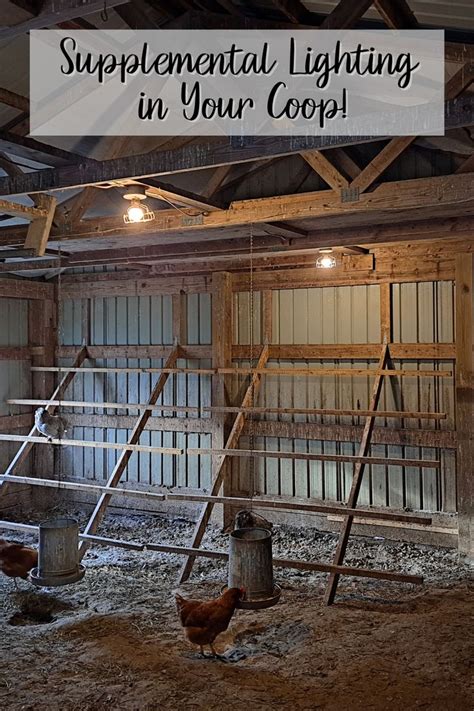
Egg production is largely tied to daylight hours. When natural light drops below 14-16 hours, most hens will slow or stop laying. A low-wattage (e.g., 25-watt incandescent or equivalent LED) light bulb on a timer can extend the ‘daylight’ hours in the coop, signaling to the hens that it’s still egg-laying season. Introduce supplemental light gradually, adding 30 minutes each week until you reach 14-16 hours, preferably in the morning to avoid stranding hens on roosts in the dark.
However, be mindful that continuous laying without a natural break can shorten a hen’s lifespan. Many keepers allow their hens a natural break from laying in winter, which can be beneficial for their long-term health. If you choose to use supplemental lighting, ensure it’s done safely to prevent fire hazards.
Protecting Against Winter Ailments
Monitor your flock for signs of frostbite, especially on combs and wattles of breeds with larger appendages. Applying petroleum jelly to these areas on very cold days can offer some protection. Ensure roosting bars are wide enough for chickens to cover their feet with their feathers, protecting them from frostbite. Encourage dust bathing by providing a dry area or a container with sand or wood ash, even if they can’t free-range as much.
Regularly check your chickens for any signs of illness, such as lethargy, ruffled feathers, or discharge. Cold weather can stress their immune systems, making them more susceptible to disease. A healthy, well-fed chicken with a proper coop will generally withstand winter well.

Cold-Hardy Breeds & Flock Management
While good winter care benefits all chickens, some breeds are naturally more cold-hardy, such as Wyandottes, Orpingtons, and Plymouth Rocks. If you’re starting a new flock, considering these breeds can make winter management easier. Observe your flock’s behavior; chickens huddling together or staying inside excessively might indicate they’re too cold. Ensure they have access to the outdoors on sunny, calm winter days, even if only for a short time, for exercise and mental stimulation.

Keeping backyard chickens healthy and laying eggs through winter is entirely achievable with proper planning and consistent care. By focusing on a safe coop, adequate nutrition, unfrozen water, and thoughtful light management, you can help your flock thrive and continue enjoying fresh eggs even in the coldest months.