
How to keep backyard chickens healthy naturally in winter?
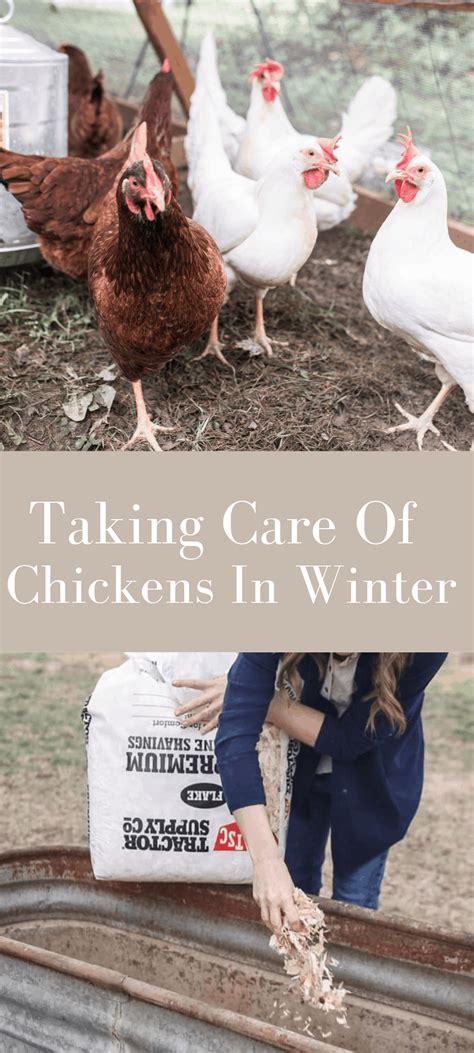
Winter brings unique challenges for backyard chicken keepers, as plummeting temperatures and shorter daylight hours can stress your flock. While commercial solutions abound, there are numerous natural and effective ways to help your chickens not just survive, but truly thrive through the colder months. Prioritizing their natural instincts and needs can lead to a healthier, happier, and more resilient flock.
Insulating and Winterizing the Coop Naturally
The coop is your chickens’ sanctuary, especially when the mercury drops. Ensuring it’s a comfortable and safe haven is paramount. Start by checking for drafts; seal cracks and gaps, especially near roosts, with natural materials like straw bales, wood, or even old towels. While drafts are harmful, good ventilation is still crucial to prevent respiratory issues from ammonia buildup. Aim for ventilation near the roofline, allowing moist, stale air to escape without creating a direct breeze on your birds.
For insulation, a deep litter method using plenty of straw or wood shavings can provide significant warmth as it slowly composts. This natural process generates heat and keeps the coop drier. Just ensure to turn it regularly to keep it aerobic and prevent excessive moisture. Consider adding extra bedding layers on the floor and in nesting boxes for added comfort.
Optimal Winter Nutrition and Hydration
During winter, chickens expend more energy to stay warm, so their dietary needs shift. Increase their protein intake slightly with quality layer pellets. Scratch grains (corn, wheat, oats) are excellent for providing extra calories, which their bodies can convert into heat. Offer these in the late afternoon, giving them something to digest overnight.
Hydration is critical. Water can freeze quickly, so providing unfrozen water throughout the day is a top priority. Natural solutions include using dark-colored rubber pans that absorb sunlight, placing waterers in a sheltered part of the coop, or insulating water containers. Adding a splash of raw, unfiltered apple cider vinegar (ACV) to their water a few times a week can support gut health and immunity, though ensure it doesn’t freeze.
Encouraging Natural Behaviors and Mental Stimulation
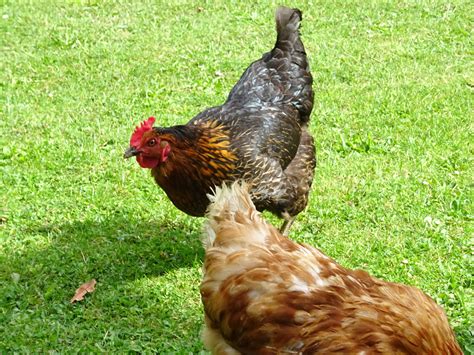
Confined spaces and shorter days can lead to boredom and pecking issues. Keep your chickens mentally and physically active. Hang cabbage heads or other leafy greens for them to peck at. Spreading scratch grains in their run (or a sheltered area if snow is deep) encourages natural foraging behavior. Providing a dust bath area, even indoors if needed, is vital for feather health and parasite control. A simple container with a mix of sand, wood ash, and a bit of diatomaceous earth works wonders.
Boosting Immunity with Natural Supplements
A strong immune system is your best defense against winter ailments. Incorporate herbs like oregano, thyme, and rosemary into their diet – either fresh if available or dried and mixed with their feed. Garlic, a natural antibiotic and immune booster, can be offered crushed in their water or feed periodically. Fermented grains are another excellent way to introduce probiotics and improve nutrient absorption, bolstering their digestive health.
Monitoring Health and Recognizing Warning Signs
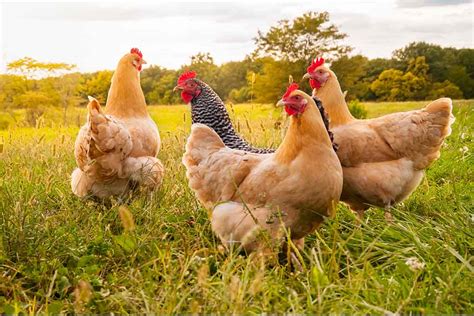
Even with the best natural care, vigilance is key. Regularly observe your flock for any changes in behavior, appetite, or appearance. Chickens huddling excessively, appearing lethargic, having runny noses, or pale combs/wattles are all signs that something might be amiss. Check their feet and combs for frostbite during extreme cold; applying petroleum jelly can offer a protective barrier. Early detection allows for timely, often natural, interventions.

Conclusion
Keeping backyard chickens healthy naturally in winter is an achievable goal that rewards you with a robust and productive flock. By focusing on adequate shelter, proper nutrition, mental stimulation, natural immune boosters, and keen observation, you can ensure your feathered friends not only endure the cold but truly flourish until spring arrives. Embrace these natural methods, and your chickens will thank you with their continued vitality and delicious eggs.