
How to keep backyard chickens healthy & productive for fresh eggs in country living?
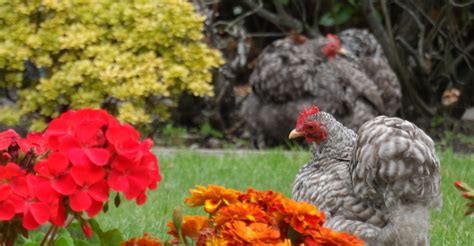
Embracing the charm of country living often includes the delightful clucking of a backyard chicken flock. Beyond the joy they bring, the ultimate goal for many is a consistent supply of fresh, nutritious eggs. Achieving this, however, goes beyond simply providing food and water. It demands a holistic approach to their well-being, ensuring both their health and productivity.
Essential Nutrition for Peak Performance
A well-balanced diet is the cornerstone of healthy, productive hens. Laying hens require specific nutrients to produce strong eggshells and maintain their own vitality. A high-quality layer feed, formulated for hens 18 weeks and older, is crucial.
- Protein: Essential for egg production; layer feeds typically contain 16-18% protein.
- Calcium: Paramount for strong eggshells. Ensure they have access to oyster shells or a calcium supplement in a separate feeder, allowing them to self-regulate intake.
- Grit: Chickens need insoluble grit (small stones) to help grind food in their gizzard. Offer it separately.
- Fresh Water: Always provide clean, fresh water. Dehydration can quickly halt egg production.
- Treats in Moderation: While kitchen scraps and scratch grains are popular treats, they should never make up more than 10% of their diet, as they can dilute essential nutrients.

Optimal Coop Environment and Hygiene
A clean, secure, and comfortable coop is vital for preventing disease and stress. Consider the following aspects:
- Space: Provide at least 3-4 square feet per chicken inside the coop and 8-10 square feet per chicken in the run. Overcrowding leads to stress, pecking, and health issues.
- Ventilation: Good airflow prevents respiratory problems and reduces ammonia buildup, but avoid direct drafts.
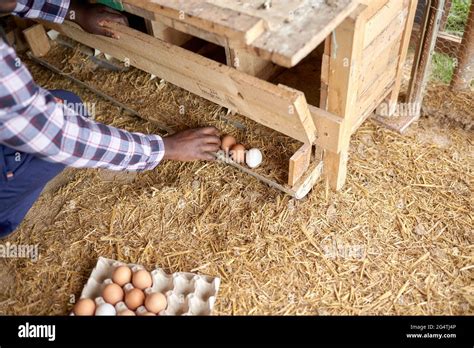
- Nest Boxes: Offer one nest box for every 3-4 hens. Keep them clean and filled with fresh bedding to encourage laying and prevent egg breakage.
- Roosting Bars: Chickens instinctively roost at night. Provide sturdy roosts off the ground (at least 2 feet up) to give them a safe place to sleep and prevent parasites.
- Cleaning: Regular cleaning (at least once a week) of the coop and bedding is essential to control parasites, bacteria, and ammonia. A deep clean should be done seasonally.
Proactive Health Management and Disease Prevention
Vigilance is key to maintaining a healthy flock. Regularly observe your chickens for any signs of illness:
- Daily Health Checks: Look for changes in appetite, lethargy, ruffled feathers, pale combs/wattles, discharge from eyes/nostrils, limping, or unusual droppings.
- Quarantine New Birds: Always isolate new chickens for at least 3-4 weeks before introducing them to the main flock to prevent the spread of potential diseases.
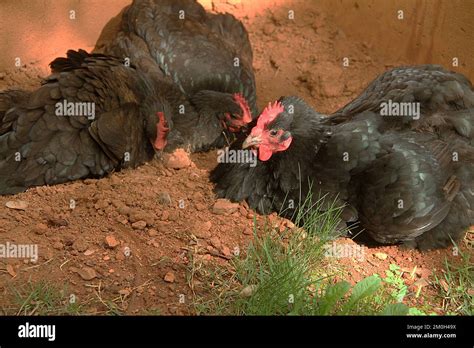
- Pest Control: Regularly check for external parasites like mites and lice. Dust baths (a mixture of dirt, sand, and wood ash) are natural deterrents. Keep rodents out of the coop, as they can spread disease and eat feed.
- Vaccinations: Consult with a local vet or experienced breeder about common chicken diseases in your area and consider appropriate vaccinations.
Protecting Your Flock from Predators
In a country setting, predators are a constant threat. A secure coop and run are non-negotiable:
- Sturdy Fencing: Use hardware cloth (not chicken wire, which predators can chew through) for the run, extending it underground to prevent digging.
- Secure Locks: Ensure all coop doors and gates have predator-proof latches.
- Overnight Security: Lock chickens inside their coop every night.
Minimizing Stress and Providing Enrichment
Stress can significantly impact egg production and overall health. Happy hens are productive hens:
- Free-Ranging (Supervised): Allowing chickens supervised free-range time can reduce boredom and provide natural foraging opportunities, but only if safe from predators.
- Dust Baths: Provide a dry, dusty area for chickens to bathe. It helps them clean their feathers and manage parasites.
- Perches and Swings: Simple additions like extra perches or even chicken swings can provide entertainment and reduce pecking order stress.
- Consistent Routine: Chickens thrive on routine. Try to feed, water, and let them out at similar times each day.
Monitoring Egg Production and Behavior
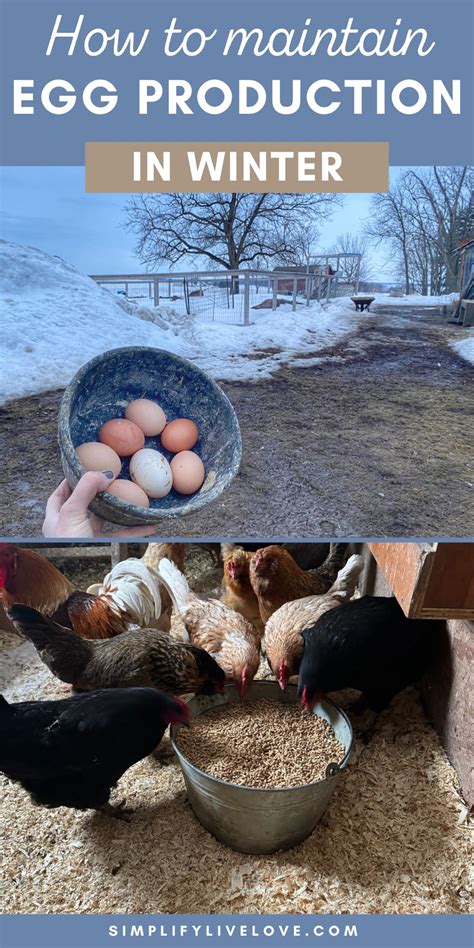
Regularly collecting and inspecting eggs can offer insights into your flock’s health and productivity. A sudden drop in egg production, thin shells, or misshapen eggs can be early indicators of dietary deficiencies, stress, or illness. Observing their natural behaviors, such as foraging, dust bathing, and social interactions, provides a baseline for recognizing when something might be amiss. Hens typically lay most frequently in their first two years, with production gradually decreasing afterward.
Conclusion
Keeping backyard chickens healthy and consistently productive for fresh eggs is a rewarding aspect of country living. By prioritizing their nutrition, providing a clean and secure environment, proactively managing their health, and reducing stress, you can ensure your flock thrives and provides you with a steady supply of delicious eggs for years to come. It’s a commitment that pays dividends in both fresh food and the simple pleasure of watching a happy, healthy flock.