




How to keep backyard chickens laying through winter organically?

Embracing Winter Laying: An Organic Approach
As the days shorten and temperatures drop, many backyard chicken keepers notice a significant decline in egg production. This isn’t just a coincidence; it’s a natural response to the changing seasons. However, with thoughtful, organic strategies, you can encourage your hens to continue laying through the colder months without resorting to artificial or chemical interventions. Keeping your flock healthy and happy naturally is key to consistent egg production, even when winter bites.
Cozy Coops: Natural Shelter and Warmth
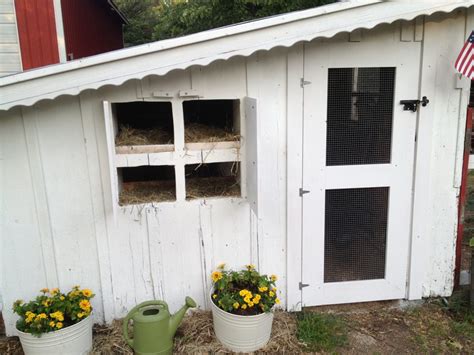
One of the most critical factors for winter laying is a well-prepared coop. Hens need protection from wind, snow, and extreme cold. Focus on insulation rather than direct heating. Seal drafts, ensure the coop is waterproof, and consider adding extra bedding. The deep litter method can also generate a small amount of warmth through decomposition, while providing excellent insulation and a natural scratching environment for your birds. Ventilation is still crucial to prevent respiratory issues, but it should be draft-free.
Ensuring their roosting bars are wide enough for them to cover their feet with their feathers is another simple yet effective way to help them conserve body heat. Consider adding a windbreak or temporary plastic sheeting to the run area to offer additional protection during blustery days.
Optimal Organic Nutrition for Egg Production
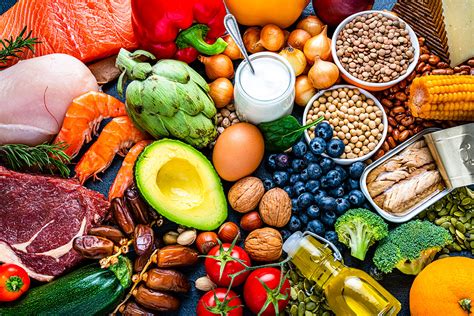
Maintaining egg production organically through winter requires a careful look at your hens’ diet. Laying hens need more energy in colder weather to stay warm. Provide a high-quality, organic layer feed as their primary diet. Supplement this with warming treats like whole oats, cracked corn, or black oil sunflower seeds, offered in moderation, especially in the afternoon to fuel them overnight. Free-range access, even limited, allows them to forage for nutrient-rich bugs and greens.
Don’t forget grit and oyster shell – both are essential for digestion and strong eggshells, respectively. Ensure these are always available in separate feeders. A continuous supply of fresh, unfrozen water is paramount. Dehydration can quickly halt egg production, so check waterers multiple times a day and use heated waterers if necessary, ensuring they are plastic or ceramic for organic certification standards.
Harnessing Natural Light Cycles
A hen’s egg production is heavily influenced by daylight hours. Typically, hens need 14-16 hours of light to consistently lay. In winter, natural daylight falls far short of this. While some backyard keepers use artificial lights, an organic approach often means embracing the natural slowdown, or using minimal, strategically timed light to extend their day slightly.
If you choose to use light, a low-wattage LED bulb on a timer, set to come on for an hour or two in the early morning, can gently extend the “day” without shocking their systems. However, be mindful that continuous artificial light can stress hens and shorten their laying lifespan. Prioritize ample natural light during the day through coop windows or clear panels, ensuring they face south to maximize sun exposure.
Selecting Cold-Hardy Breeds and Minimizing Stress
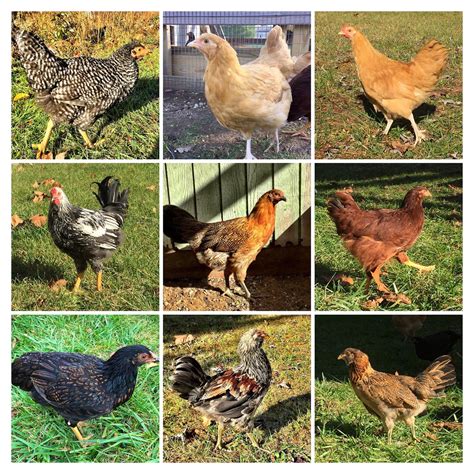
Some chicken breeds are naturally better equipped to handle cold weather and maintain laying through winter. Breeds like Wyandottes, Rhode Island Reds, Plymouth Rocks, and Orpingtons are known for their cold tolerance. If you’re starting a flock with winter laying in mind, consider these resilient breeds.
Stress is a major deterrent to egg production. Ensure your hens have enough space, are protected from predators, and have a consistent routine. Avoid sudden changes to their environment or diet. Regular health checks, even just observing their behavior and appearance daily, can help you catch potential issues early. A calm, secure, and healthy flock is more likely to keep those eggs coming, even when snow is on the ground.
Conclusion: Nature’s Rhythm with a Little Help
Keeping backyard chickens laying through winter organically is about working with nature, not against it. By providing superior shelter, excellent organic nutrition, maintaining access to unfrozen water, strategically managing light, and choosing resilient breeds, you can support your flock’s natural productivity. While you might not get an egg every single day from every hen, these organic practices will ensure a steady supply of fresh, healthy eggs throughout the colder months, all while keeping your hens happy and thriving.