

How to keep farmers market finds fresh & safe while traveling rural roads?
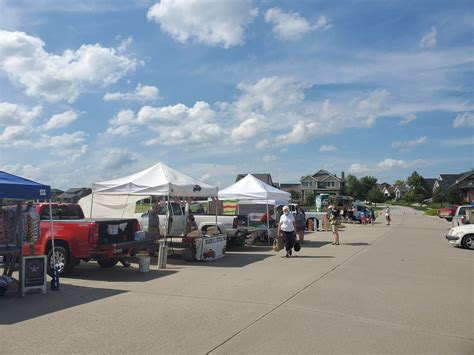
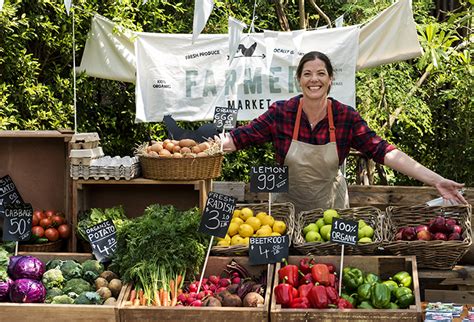
There’s a unique joy in discovering a local farmers market while exploring rural landscapes – the vibrant colors, the intoxicating aromas, and the chance to taste the freshest produce straight from the farm. However, the journey from market stall to your home kitchen, especially when traversing dusty rural roads, presents a challenge: how do you keep those delicate berries, crisp greens, and artisanal cheeses fresh and safe?
Gear Up for Freshness Before You Go
Preparation is paramount. Before you even set foot in a farmers market, ensure you have the right equipment. A high-quality cooler is your best friend. Opt for one with excellent insulation that can maintain consistent cold temperatures for several hours. Fill it with plenty of ice packs or frozen water bottles, ensuring they are strategically placed to surround any temperature-sensitive items you might purchase. Remember that proper insulation not only keeps things cool but also protects delicate items from external heat.
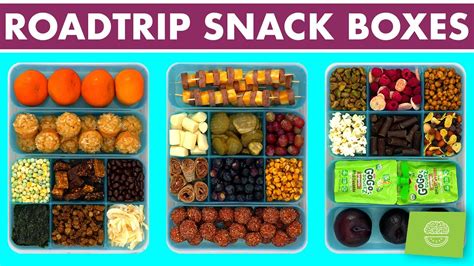
Beyond the cooler, pack reusable bags of various sizes – some breathable mesh bags for hardy vegetables, and others with solid interiors for items that need more protection. Consider bringing small, airtight containers for soft fruits or prepared foods, preventing bruising and leaks. A separate bag for items with strong odors, like onions or certain cheeses, can also be a smart move to prevent flavor transfer.

Smart Packing Strategies for the Road
Once you’ve made your selections, how you pack your cooler and bags matters significantly. Think about layering: place heavier, more robust items like root vegetables or squash at the bottom of your cooler or bags. Delicate items such as berries, leafy greens, or ripe tomatoes should be placed on top, cushioned with soft cloths or even paper towels to prevent bruising from movement during travel. Keep raw meats, poultry, and fish strictly separate from produce and ready-to-eat foods to avoid cross-contamination. Use separate sealed bags or containers for these items and place them at the very bottom of the cooler, directly on ice.
If you’re buying eggs, transport them in their original carton, and consider placing the carton inside a padded bag for extra protection against bumps and jostles on unpaved roads. Avoid packing anything wet directly against other items; excess moisture can accelerate spoilage, especially for leafy greens.
Temperature Control is Key to Longevity
The fluctuating temperatures inside a vehicle can quickly compromise the freshness and safety of your market finds. Always keep your cooler inside the passenger compartment of your car, rather than the trunk, where temperatures can soar. If you must use the trunk, ensure it’s a very well-insulated cooler and that your travel time is minimal. Avoid parking in direct sunlight for extended periods; if you have to, cover your cooler with a blanket or towel to add an extra layer of insulation.
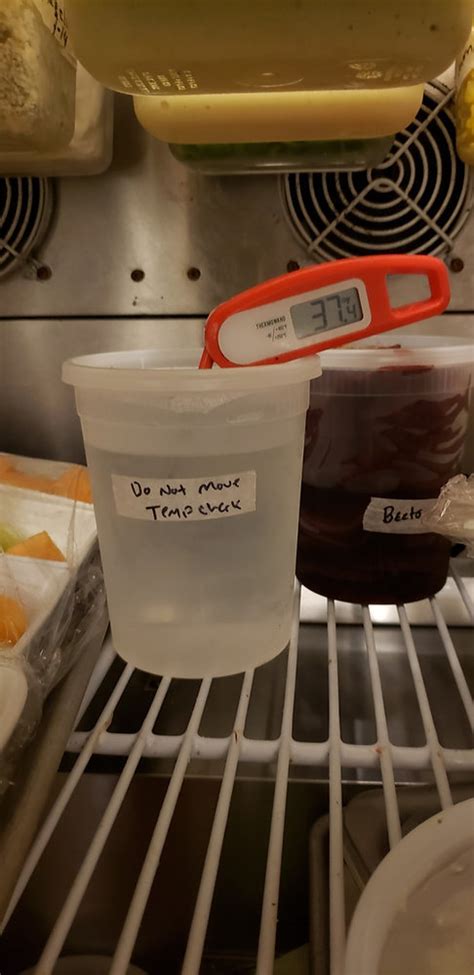
For longer trips, plan to check your ice packs periodically and replenish them if necessary. The goal is to keep perishable foods, especially meats and dairy, below 40°F (4°C). If you’re carrying prepared foods that need to stay warm, use an insulated hot bag, but remember that keeping foods in the ‘danger zone’ between 40°F and 140°F (4°C and 60°C) for more than two hours drastically increases the risk of bacterial growth.
Handling Different Food Types with Care
Different foods have different needs. Leafy greens, for instance, benefit from a slightly damp paper towel wrap before being placed in a breathable bag. Berries should be kept dry and in a single layer if possible, avoiding washing them until just before consumption to prevent mold. Tender fruits like peaches and plums are best kept in a single layer and away from heavy items. Root vegetables and hardier produce like apples or citrus can tolerate more temperature variation and can often be stored in a mesh bag outside the cooler, as long as they are not exposed to direct sunlight or extreme heat.
Artisanal cheeses and dairy products require consistent cold temperatures. Wrap cheeses in wax paper or parchment paper rather than plastic wrap to allow them to breathe, then place them in an airtight container within the coldest part of your cooler. Baked goods, especially those with creamy fillings, should also be kept cool, while drier items like bread can be wrapped in paper and stored in a cool, dry place.
Food Safety First: Preventing Spoilage
Beyond maintaining freshness, food safety is paramount. Always practice good hygiene: use hand sanitizer before handling food at the market, especially if you’re sampling. When packing, make sure all containers are clean. Avoid purchasing items that appear bruised, damaged, or have an unusual smell. For any raw meat or fish, ensure it is properly chilled at the point of purchase. If you’re buying eggs, check for cracks before buying.
The ‘two-hour rule’ is critical for perishable foods: they should not be left at room temperature (or above 40°F/4°C) for more than two hours. If the ambient temperature is above 90°F (32°C), this window shrinks to just one hour. Adhering to this rule is your best defense against foodborne illnesses, especially when traveling long distances or through warm climates.
Arrival and Unpacking: The Final Steps
Once you arrive at your destination, unpack your farmers market bounty immediately. Prioritize items that need refrigeration, placing them in the coldest parts of your refrigerator. Wash produce only just before you intend to use it, as washing can introduce moisture that promotes spoilage. Store different types of produce appropriately – some benefit from airtight containers, while others prefer more air circulation. Properly stored, your fresh finds will bring the taste of the countryside to your table for days to come.

With a bit of planning and these practical tips, your rural road trips can become a delightful journey of culinary discovery, ensuring your farmers market treasures remain as fresh and safe as they were when you first plucked them from the stall. Happy travels and happy eating!