
How to keep garden herbs fresh longer after harvesting?
Maximizing Your Herb Harvest: Why Preservation Matters
There’s nothing quite like the flavor of fresh herbs straight from the garden. The vibrant aromas and intense tastes can elevate any dish. However, once harvested, herbs have a limited shelf life. Without proper care, they can wilt, discolor, and lose their potency quickly. Fortunately, with a few simple techniques, you can significantly extend the freshness of your garden bounty, ensuring you have access to delightful flavors long after they’ve been picked.
Preserving herbs isn’t just about preventing waste; it’s about locking in their peak flavor and nutritional value. Whether you’re dealing with delicate leafy greens or sturdy woody stems, there’s a method perfectly suited to keep them vibrant and ready for your culinary adventures.
Short-Term Solutions: Refrigeration Techniques
For immediate use or short-term storage (a few days to a week), refrigeration is your best friend. The method varies slightly depending on the type of herb:
Delicate Leafy Herbs (Basil, Cilantro, Parsley, Mint)
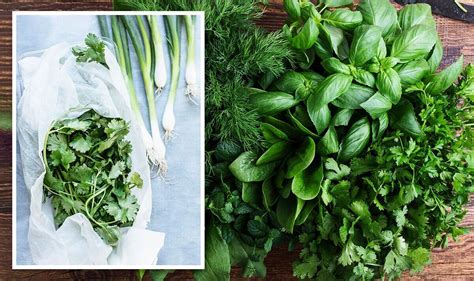
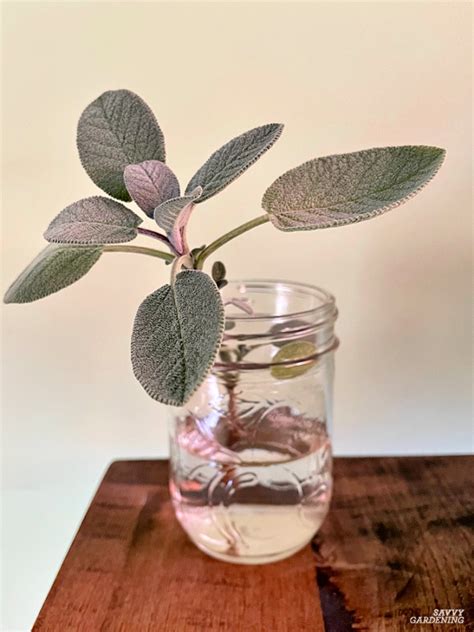
Treat these like a bouquet of flowers. Trim the bottoms of the stems and place them upright in a glass of water (about an inch or two deep). Cover the leaves loosely with a plastic bag (a produce bag works well) and place the glass in the refrigerator. Change the water every couple of days. Basil, however, prefers room temperature, so keep it on the counter with water, away from direct sunlight.
Sturdier Herbs (Rosemary, Thyme, Oregano, Sage)
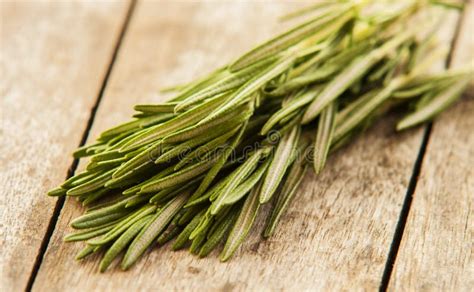
For these more robust herbs, a different approach is effective. Gently wash the herbs and pat them completely dry with a paper towel. Wrap them in a slightly damp paper towel, then place the bundle inside a sealed plastic bag or an airtight container. Store this in the crisper drawer of your refrigerator. This method helps maintain humidity without making them soggy.
Freezing Herbs for Extended Flavor
Freezing is an excellent option for preserving herbs for several months, especially for those you plan to cook with. The process locks in much of their fresh flavor, making them perfect for soups, stews, sauces, and casseroles.
Ice Cube Tray Method
Finely chop your herbs (e.g., parsley, chives, oregano) and pack them into ice cube trays. Pour olive oil or melted butter over the herbs until they are covered. Alternatively, you can use water. Freeze until solid, then pop out the herb cubes and transfer them to freezer-safe bags or containers. When ready to use, simply drop a cube into your hot pan or pot.
Freezing Whole or Chopped
For herbs like dill or cilantro, you can also freeze them whole or roughly chopped. Wash and dry them thoroughly. Spread them in a single layer on a baking sheet and freeze until firm. Once frozen, transfer them to freezer bags, pressing out as much air as possible before sealing. This method allows you to easily break off portions as needed.
Drying Herbs: A Timeless Preservation Method
Drying is perhaps the oldest and one of the most effective ways to preserve herbs for long-term storage (up to a year or more). Dried herbs have a more concentrated flavor profile, making them ideal for seasoning.
Air Drying
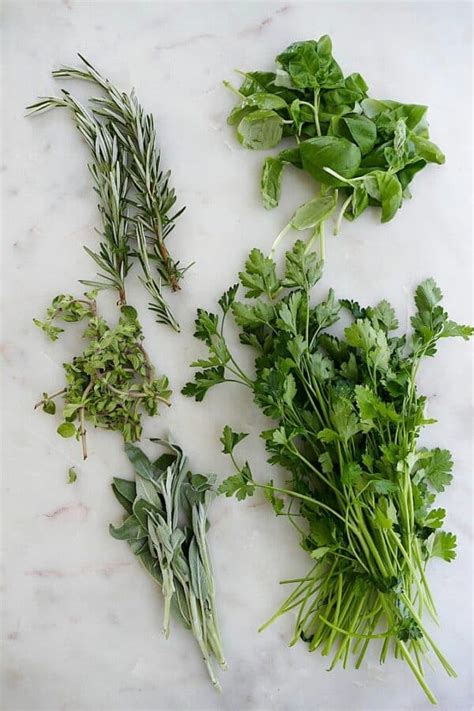
This method works best for sturdy, low-moisture herbs like rosemary, thyme, oregano, and bay leaves. Gather small bunches of herbs, tie them with twine or a rubber band, and hang them upside down in a warm, dry, well-ventilated area away from direct sunlight. They typically take one to three weeks to dry completely. You’ll know they’re ready when the leaves are brittle and easily crumble.
Dehydrator or Oven Drying
For a faster drying process, or for herbs with higher moisture content, a food dehydrator is excellent. Follow your dehydrator’s instructions for temperature and timing. If using an oven, set it to its lowest temperature (ideally below 180°F / 80°C) and leave the door slightly ajar to allow moisture to escape. Spread herbs in a single layer on a baking sheet and check them frequently, turning occasionally, until they are brittle.

Storing Dried Herbs and Final Tips
Once your herbs are thoroughly dried, remove the leaves from the stems and store them in airtight containers, such as glass jars, away from heat and direct sunlight. Label your containers with the herb name and date of drying. Properly stored dried herbs can retain their flavor for 6 months to a year, though their potency will gradually diminish over time.
General Tips for Success:
- Harvesting Time: For best flavor, harvest herbs in the morning after the dew has dried, but before the sun gets too hot.
- Cleanliness: Always wash herbs gently under cool water and pat them thoroughly dry before preserving, regardless of the method. Excess moisture is the enemy of preservation.
- Labeling: Always label your preserved herbs with the type and date of preservation.
By employing these simple yet effective preservation techniques, you can extend the joy of your garden’s bounty and ensure a continuous supply of fresh and flavorful herbs to enhance your cooking throughout the year. Experiment with different methods to find what works best for your favorite herbs and your lifestyle.