How to keep garden pickles crisp, not soggy?
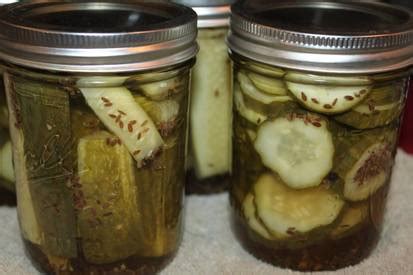
The Quest for Perfectly Crisp Pickles
There’s nothing quite like the satisfaction of biting into a perfectly crisp homemade pickle, especially when it’s made from your own garden bounty. However, many home canners face the common dilemma of opening a jar only to find their once-firm cucumbers have turned into disappointingly soggy specimens. Fear not, fellow picklers! Achieving that satisfying crunch is entirely possible with the right knowledge and techniques. Let’s dive into the secrets of keeping your garden pickles wonderfully crisp, not soggy.
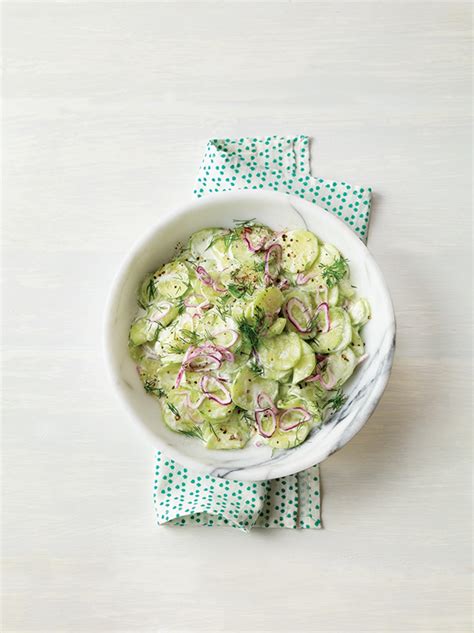
Start with the Freshest Cucumbers
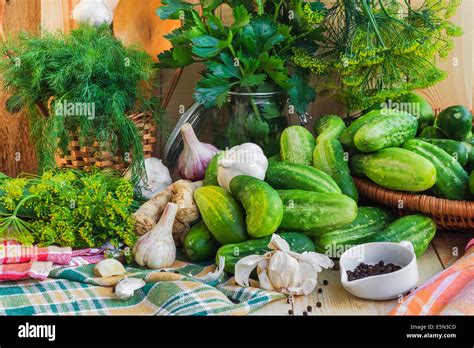
The foundation of a crisp pickle begins with the cucumber itself. Select firm, blemish-free pickling cucumbers, ideally picked within hours of processing. Smaller cucumbers tend to be crisper than larger ones. Avoid any cucumbers that are soft, yellowing, or have hollow spots, as these are already breaking down and will result in soggy pickles regardless of your technique. Wash them thoroughly but gently to avoid bruising.
Proper Preparation Makes All the Difference
- Blossom End Removal: The blossom end of a cucumber contains enzymes that can soften pickles. Always trim off about 1/16th of an inch from the blossom end before pickling.
- Icy Soak: Some picklers advocate for soaking cucumbers in ice water for a few hours (or even overnight) before jarring. This helps to firm up the cell walls.
- Prick or Slash: For larger cucumbers or spears, a quick prick with a fork or a small lengthwise slash can help the brine penetrate faster and more evenly.
Embrace Crisping Agents
While not strictly necessary for all recipes, certain additives can significantly enhance pickle crispness:
- Tannin-Rich Leaves: Adding a few fresh grape leaves, oak leaves, or even horseradish leaves to each jar can help inhibit the softening enzymes in the cucumbers.
- Pickling Lime: Food-grade pickling lime (calcium hydroxide) is very effective, but requires careful rinsing to remove excess lime, as it can be unsafe if not used properly. Follow instructions precisely.
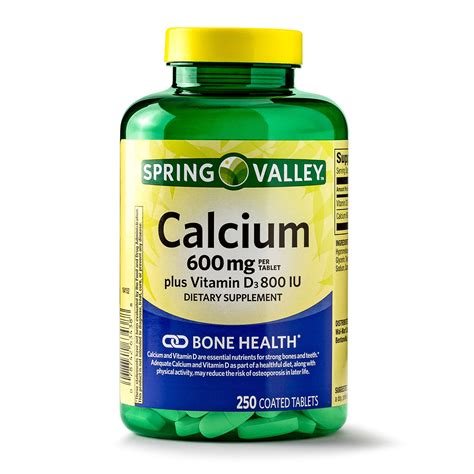
- Calcium Chloride: This is arguably the easiest and safest crisping agent to use. A small amount of food-grade calcium chloride (often sold as “pickle crisp”) added directly to the jars will provide excellent firmness without altering flavor.
Mastering the Brine and Canning Process
The brine and the canning method are critical for maintaining crispness.
- Salt Concentration: Use the correct ratio of pickling salt to water as specified in your recipe. Too little salt can lead to spoilage and softness.
- Quality Vinegar: Use vinegar with at least 5% acidity (apple cider or white vinegar are common choices).
- Avoid Over-Processing: Over-cooking in the water bath can turn crisp pickles into mush. Follow recommended processing times exactly for your jar size and altitude. A common mistake is to process for too long “just to be safe.”
- Hot Pack vs. Raw Pack: Raw packing cucumbers into jars and then pouring hot brine over them is often preferred for crispness, as it minimizes the cooking time of the cucumbers.
Patient Storage for Optimal Crunch
Once your pickles are sealed and cooled, where and how you store them also plays a role in their final texture.
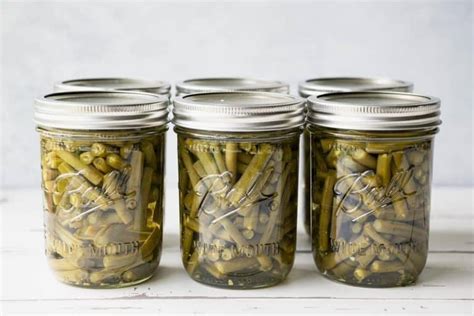
- Cool, Dark Place: Store jars in a cool, dark, and dry pantry or cellar. Heat and light can degrade the quality and texture of your pickles over time.
- Curing Time: Allow your pickles to cure for at least 3-4 weeks (or even longer, depending on the recipe) before opening. This allows the flavors to meld and the cucumbers to fully absorb the brine, often resulting in a firmer texture.

Conclusion: Crisp Pickles Are Within Reach
Achieving perfectly crisp garden pickles isn’t a dark art; it’s a combination of starting with prime ingredients, employing careful preparation techniques, and adhering to proper canning and storage methods. By paying attention to details like cucumber freshness, blossom end removal, the judicious use of crisping agents, and precise processing times, you can confidently open a jar of homemade pickles knowing a satisfying crunch awaits. Happy pickling!