How to keep garden vegetables crisp longer in the root cellar or pantry?

The Art of Long-Term Vegetable Freshness
Harvesting a bountiful garden is incredibly rewarding, but the joy can quickly fade if your fresh produce wilts within days. Learning how to properly store vegetables in a root cellar or pantry is essential for enjoying your harvest long after it’s picked, maintaining that coveted crispness and flavor. This guide will walk you through the key principles and practical tips for maximizing the shelf life of your garden’s bounty.
Mastering Temperature, Humidity, and Ventilation
The success of long-term vegetable storage hinges on creating the right environment. While a root cellar naturally offers cooler, more humid conditions, a pantry can be optimized. Most root vegetables thrive in cool (around 32-50°F or 0-10°C) and humid conditions (85-95% relative humidity), while onions, garlic, and squash prefer cool but drier air (50-60% RH).
Good ventilation is also crucial. Stagnant air can lead to condensation and mold growth. Ensure there’s adequate airflow around stored produce. For root cellars, this often means proper air intake and exhaust vents. In a pantry, avoid airtight containers for most items that need to breathe; perforated bins or open shelving are better.
Pre-Storage Steps: Clean, Cure, and Condition
Before any vegetable enters storage, proper preparation is vital. Cleaning: For root crops like carrots, beets, and potatoes, gently brush off excess soil but avoid washing them unless absolutely necessary, as moisture encourages spoilage. If you must wash, ensure they are completely dry before storing.
Curing: Some vegetables benefit from a curing period. Winter squash and pumpkins need to be “cured” in a warm, humid environment (70-80°F / 21-27°C, 70-80% RH) for 10-14 days to harden their skins, which prevents moisture loss and spoilage. Onions and garlic also require curing in a warm, dry, well-ventilated space for several weeks until their skins are papery dry. This process seals them and prevents rot.
Trimming: Remove the leafy tops from root vegetables (carrots, beets) before storing. The greens will draw moisture from the roots, causing them to shrivel and lose crispness. Leave about an inch of stem attached to prevent ‘bleeding’ of sap and premature spoilage.
Tailored Storage for Specific Vegetables
Different vegetables have different needs for long-term crispness:
Root Crops (Carrots, Beets, Potatoes, Turnips):
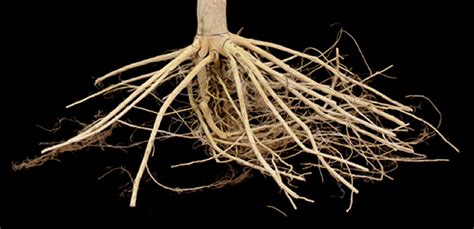
These love high humidity. Store them in bins, crates, or even sturdy cardboard boxes layered with damp sand, sawdust, or peat moss. This prevents moisture loss. Ensure they don’t touch each other to prevent rot spread. Potatoes, however, should not be stored with apples or onions, as gases from these can accelerate sprouting. Keep potatoes in a dark, cool, humid place (around 40-50°F / 4-10°C) to prevent greening and sprouting.
Winter Squash and Pumpkins:
After curing, store these in a cool, dry place (50-55°F / 10-13°C) with good air circulation. A pantry shelf or a hanging mesh bag in a cool basement corner works well. Avoid stacking them, as this can encourage soft spots.
Onions and Garlic:
Once cured, store in braided strings, mesh bags, or open baskets in a cool, dry, well-ventilated location (e.g., a pantry or unheated room, 40-50°F / 4-10°C). Humidity is their enemy, as it causes sprouting and mold.
Cabbage and Celery:
For shorter-term root cellar storage, cabbage can be stored whole with outer leaves intact on shelves, or even hung upside down by its roots. Celery can be kept crisp for weeks by standing it upright in a container with an inch of water, covering the tops loosely, and keeping it in a cool spot.
Regular Checks for Optimal Freshness
Even with the best preparation, continuous monitoring is key. Regularly inspect your stored produce. Remove any vegetables showing signs of spoilage (soft spots, mold, strong odors) immediately to prevent the rot from spreading to healthy items. Rotate your stock, using older items first.
Maintain consistent temperature and humidity. In a root cellar, this might mean adjusting vents. In a pantry, it could involve using humidifiers or dehumidifiers if conditions are extreme, or simply opening windows during cooler periods to air out the space.
Enjoying Your Garden’s Bounty Year-Round
With a little planning and attention to detail, transforming your root cellar or pantry into an effective long-term storage solution for garden vegetables is entirely achievable. By understanding the specific needs of each crop regarding temperature, humidity, and ventilation, and by taking the crucial pre-storage steps, you can significantly extend the life and crispness of your harvest. Embrace these techniques, and you’ll be savoring your garden’s fresh flavors well into the colder months.