



How to keep homemade bread fresh and soft for days without preservatives?
The Homemade Bread Dilemma: Freshness vs. Time
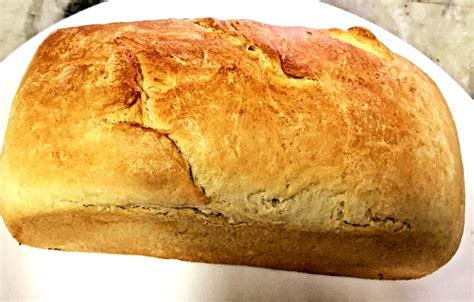
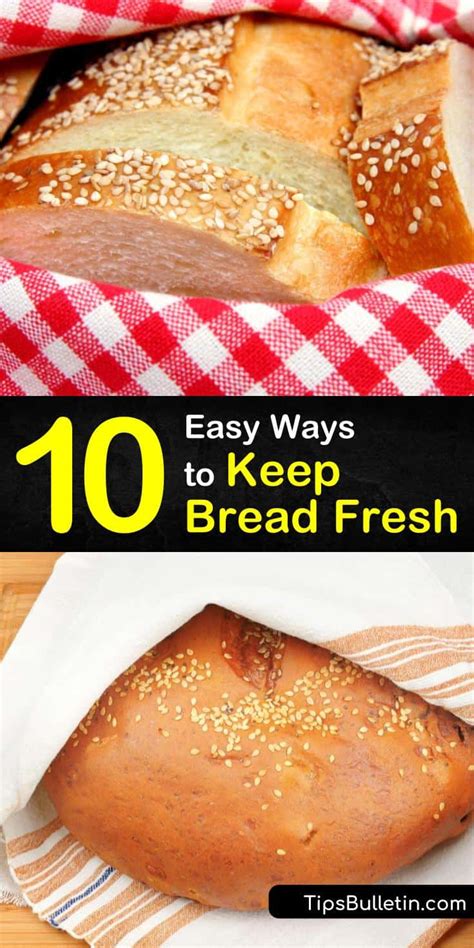
There’s nothing quite like the aroma and taste of freshly baked homemade bread. But as delightful as it is, many home bakers face a common challenge: keeping that beautiful loaf fresh and soft for more than a day or two without the help of commercial preservatives. The good news is, with a few smart techniques and proper storage, you can significantly extend the life of your preservative-free bread, ensuring every slice is as enjoyable as the first.
Understanding Bread Staleness
Before diving into solutions, it’s helpful to understand why bread goes stale. It’s not primarily due to drying out, but rather a process called ‘starch retrogradation’. As bread cools, the starch molecules crystallize, causing the bread to become hard and crumbly. While moisture loss does play a role, controlling starch retrogradation is key to maintaining softness.
The Golden Rule: Cool Completely
This is perhaps the most crucial step often overlooked. After baking, your bread is still cooking internally and releasing steam. Cutting into a hot loaf traps moisture, making the crust soggy and the interior gummy, which can accelerate staleness. Always let your bread cool completely on a wire rack for at least 1-2 hours (or longer for very large loaves). This allows steam to escape and the crumb structure to set properly.
Short-Term Storage Solutions (1-3 Days)
1. Bread Boxes
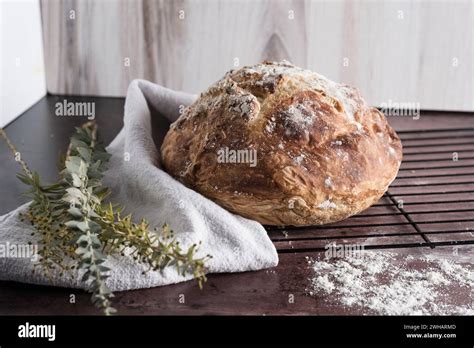
A good bread box provides an ideal environment. It’s designed to regulate airflow, preventing the bread from drying out too quickly while also allowing some moisture to escape, deterring mold. Store whole loaves unwrapped or loosely wrapped in a clean linen towel inside a bread box.
2. Paper Bags vs. Plastic Bags
- Paper Bags: Excellent for crusty artisan breads (like sourdough or baguettes) that you want to keep crispy on the outside. They allow airflow, maintaining the crust’s integrity, but the interior will dry out faster. Best for same-day consumption or up to 24 hours.
- Plastic Bags: Ideal for softer sandwich breads, brioche, or challah. A tightly sealed plastic bag (or reusable bread bag) traps moisture, keeping the bread soft. However, this high humidity environment can also encourage mold growth, so ensure the bread is completely cool before bagging.
3. Cloth or Linen Bread Bags
These offer a good compromise, providing some breathability while still helping to retain moisture. They are especially good for bread stored at room temperature, balancing crust integrity with crumb softness.
Long-Term Storage: The Freezer is Your Best Friend
For keeping bread fresh for weeks or even months, freezing is by far the most effective method. Freezing stops starch retrogradation in its tracks.
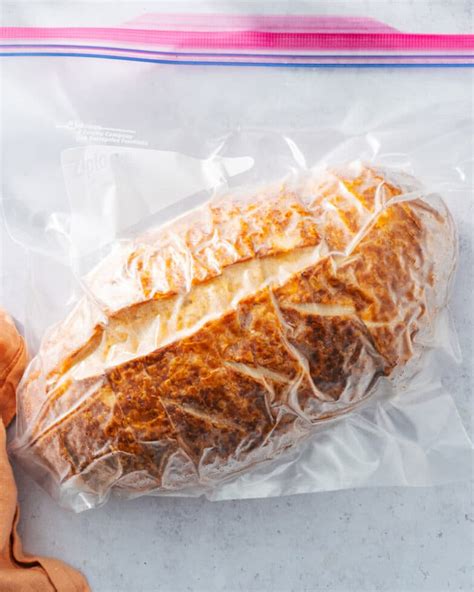
- For Whole or Half Loaves: Once completely cool, wrap the bread tightly in plastic wrap, then an additional layer of aluminum foil, or place it in a freezer-safe bag. This double layer prevents freezer burn.
- For Slices: Slice the bread first, then stack the slices with parchment paper in between (optional, but makes separating easier). Place the stack in a freezer-safe bag. This allows you to grab just a few slices as needed.
To thaw, simply take the bread out of the freezer and let it sit at room temperature for a few hours. For whole loaves, you can also reheat them directly from frozen in a low oven (around 300°F/150°C) until warm through and the crust is crisp again.
Avoid the Refrigerator (Mostly)
While it might seem counterintuitive, storing most types of bread in the refrigerator actually accelerates the starch retrogradation process, making your bread go stale faster than if left at room temperature. The ideal temperature range for starch retrogradation is just above freezing to around 45°F (7°C). The exception might be sliced sandwich bread in a very humid climate, where mold is a bigger concern than staleness, but generally, room temperature or freezer is better.
Baking Techniques to Enhance Freshness
Some baking methods can naturally extend the softness of your bread:
- Tangzhong or Yudane Method: This involves cooking a portion of the flour and water into a paste before adding it to the dough. This pre-gelatinizes the starches, allowing them to absorb and retain more moisture, resulting in incredibly soft bread that stays fresh for longer.
- Adding Fats: Ingredients like butter, oil, or milk fats (in milk or eggs) can coat gluten strands, tenderizing the crumb and extending freshness.
- Potato Water/Flakes: The starches from cooked potatoes (or instant potato flakes) can also help bread retain moisture and stay soft.
Reviving Stale Bread
Don’t despair if your bread has started to go a little stale! You can often bring it back to life:
- For Whole Loaves: Lightly mist the entire loaf with water (don’t soak it), then bake in a preheated oven at 300-350°F (150-175°C) for 5-10 minutes until the crust is crisp and the interior is soft.
- For Slices: A quick toast in a toaster or pan-fry in a little butter can rejuvenate slices, perfect for sandwiches or toast.
Conclusion
Keeping homemade bread fresh and soft without preservatives is entirely achievable with a bit of knowledge and the right techniques. By ensuring your bread cools completely, choosing appropriate short-term storage, and utilizing the freezer for longer periods, you can savor the delicious taste of your freshly baked creations for days. Experiment with different storage methods and baking techniques to find what works best for your specific bread types and climate, and enjoy every preservative-free bite!