



How to keep homemade cucumber pickles crisp, not soggy?
The Quest for the Perfect Crisp Pickle
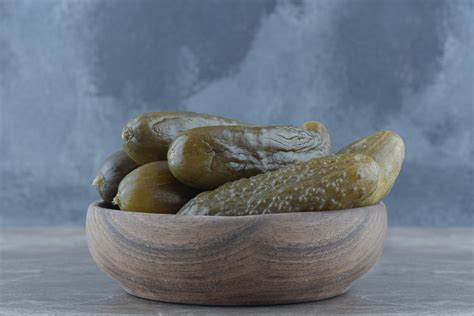
Making homemade cucumber pickles is a rewarding culinary endeavor, but nothing is quite as disappointing as biting into a pickle that’s lost its satisfying snap. Soggy pickles are a common frustration for home canners, often leading to questions about what went wrong. Fortunately, with a few key techniques and considerations, you can consistently achieve that desirable crispness that elevates your homemade preserves from good to truly exceptional.

Start with the Right Cucumbers
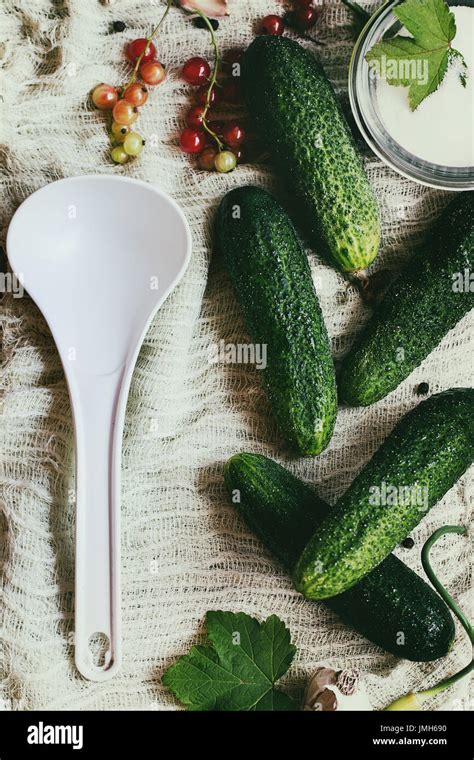
The journey to a crisp pickle begins long before you even think about the brine. The type and freshness of your cucumbers are paramount. Small, firm pickling varieties (like Kirby or Gherkin) with thin skins are ideal. Avoid large, seedy slicing cucumbers, as they tend to have higher water content and thicker skins that don’t absorb brine as well, leading to a softer texture. Pick your cucumbers when they are young and firm, and pickle them as soon as possible after harvesting – ideally within 24 hours. The longer they sit, the more enzymes break down their cell structure, making them prone to sogginess.
Preparation is Key
How you prepare your cucumbers can significantly impact their final texture. First, always wash them thoroughly. Many experienced picklers also advocate for trimming both ends of the cucumber, as the blossom end contains enzymes that can soften pickles. Some even go a step further by soaking cucumbers in an ice bath for a few hours before pickling. This helps to firm up the cell structure and draw out excess moisture. For very large cucumbers, you might consider cutting them into spears or slices rather than leaving them whole.
The Brine: More Than Just Flavor
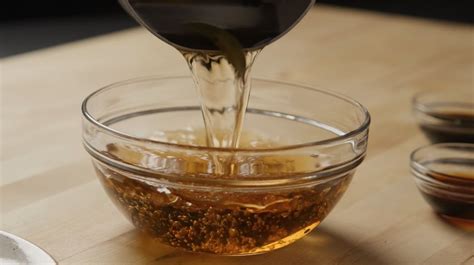
The pickling brine plays a crucial role not only in flavor but also in preserving texture. A well-balanced brine is essential.
Salt and Vinegar Ratio
Ensure your brine has an adequate concentration of salt and vinegar. Salt helps draw water out of the cucumbers, while vinegar lowers the pH, inhibiting bacterial growth and contributing to crispness. Use pickling salt (canning salt) as it’s pure and free of anti-caking agents that can cloud your brine. The ratio often varies by recipe, but don’t skimp on these two fundamental ingredients.
Tannins for Natural Crispness
For centuries, picklers have used tannins to maintain crispness. Adding a grape leaf, oak leaf, horseradish leaf, or even a tea bag to each jar can introduce tannins that help inhibit the enzymes responsible for softening pickles. These natural additions are a simple yet effective trick.
The Power of Calcium Chloride (Pickling Lime Alternative)
One of the most effective modern methods for achieving superior crispness is the use of calcium chloride, often sold as “pickle crisp” or “pickle enhancer.” A small amount of food-grade calcium chloride helps to reinforce the pectin in the cucumber cells, preventing softening. It’s a safe and highly recommended additive. Historically, pickling lime (calcium hydroxide) was used, but it requires a careful soaking and rinsing process to remove excess lime, as it can be toxic if not properly handled. Calcium chloride is a much safer and easier alternative.
Processing and Storage
Even with perfect cucumbers and brine, improper processing can lead to soggy pickles.
Avoid Over-Processing
Over-processing pickles in a hot water bath is a common culprit for softness. The longer pickles are exposed to high heat, the more their cell walls break down. Follow your recipe’s processing times precisely. For refrigerator pickles, this isn’t an issue as they aren’t heat processed, but for shelf-stable canned pickles, adherence to timing is critical. Use a reliable canning guide and ensure your jars are properly sterilized and sealed.

Cooling and Curing
Allow your processed jars to cool undisturbed on the counter. Once cool, store them in a cool, dark place for at least 3-4 weeks (or as recommended by your recipe) to allow the flavors to meld and the pickles to fully cure. Opening them too soon can result in less-than-optimal flavor and texture.
Proper Storage After Opening
Once opened, always store pickles in the refrigerator. While they maintain their crispness much better than before opening, prolonged exposure to room temperature after opening can still impact their texture.
Conclusion
Achieving perfectly crisp homemade cucumber pickles is a blend of art and science. By focusing on fresh, appropriate cucumbers, meticulous preparation, a well-formulated brine (perhaps with a little help from tannins or calcium chloride), and precise processing, you can banish soggy pickles from your pantry for good. Enjoy the satisfying crunch of your homemade creations!