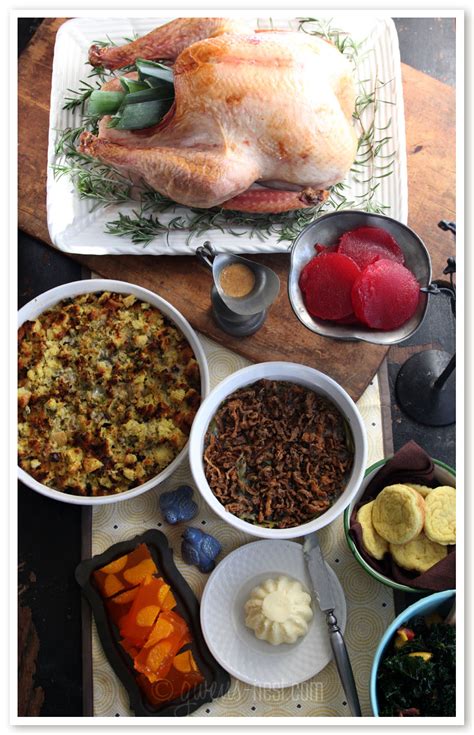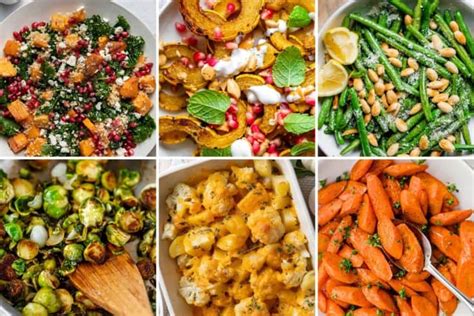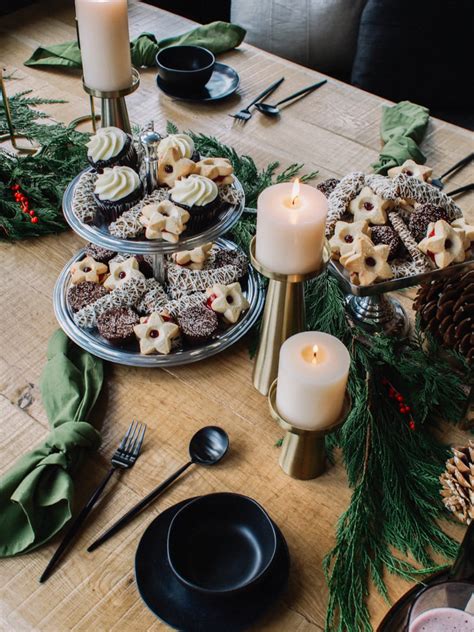
How to keep homemade dishes warm for a country holiday feast without overcooking?
Mastering the Art of Warmth for Your Country Holiday Feast
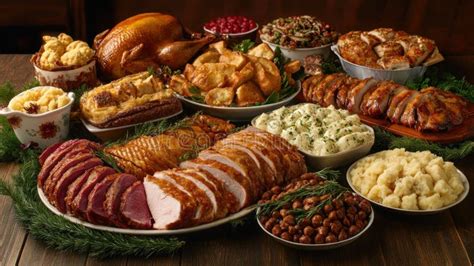
A country holiday feast evokes images of comforting homemade dishes, hearty appetites, and shared joy. However, the logistical challenge of keeping multiple dishes perfectly warm without overcooking them can turn even the most seasoned host into a culinary juggler. Especially when guests might be arriving over time or dining in a more relaxed, extended fashion, maintaining optimal food temperature and texture is key to a successful celebration.
This guide will equip you with practical strategies and clever tools to ensure every dish from your kitchen arrives at the table deliciously warm, as if it just came out of the oven, without losing its moisture, tenderness, or flavor.
The Low-Oven Method: Your Best Friend for Most Dishes
The conventional oven, set to a low temperature, is an invaluable tool for keeping many dishes warm. A temperature of 150-200°F (65-93°C) is generally ideal. For dishes like casseroles, roasted vegetables, baked pasta, or even carved meats, this method works wonders. Simply cover the dishes tightly with aluminum foil to trap moisture and prevent drying out. Avoid opening the oven door too frequently, as this causes heat loss and temperature fluctuations.
- Tips for Success:
- Preheat the oven thoroughly before placing food inside.
- Add a small pan of hot water to the bottom rack to create a humid environment, further preventing drying.
- This method is less suitable for delicate items that can easily become soggy or dry, like crispy fried foods or certain flaky pastries.
Slow Cookers and Chafing Dishes: Buffet Beauties
For dishes that benefit from gentle, consistent heat and need to be held for longer periods, slow cookers and chafing dishes are indispensable. They are particularly excellent for items commonly found on a country holiday spread.
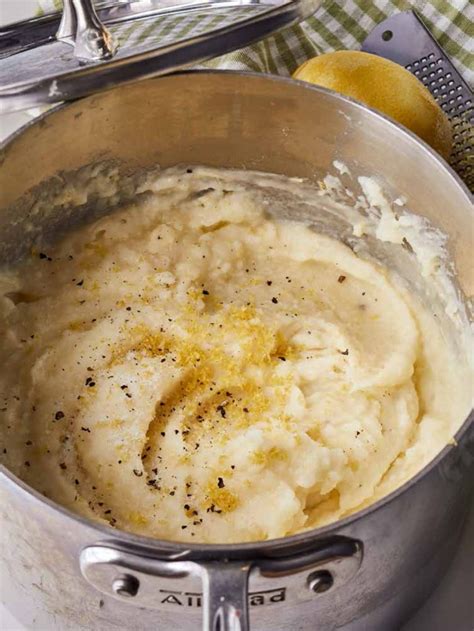
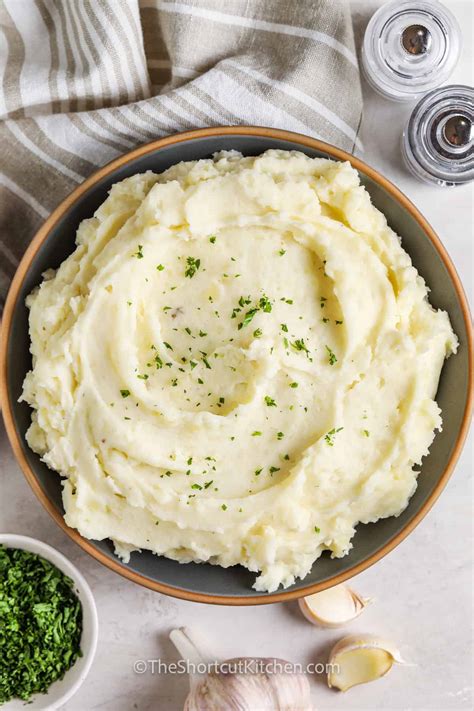
Slow Cookers: Perfect for mashed potatoes, gravies, hot dips, stews, chili, and even some vegetable side dishes. Set them to the ‘warm’ setting (if available) or the lowest ‘low’ setting. Stir occasionally to prevent sticking and ensure even heating.
Chafing Dishes: These elegant buffet warmers are ideal for larger quantities of food, like stuffing, green bean casserole, pasta dishes, or even sliced meats. They use a water bath and fuel cells to provide indirect heat, keeping food at a safe serving temperature without direct contact with the heat source, which significantly reduces the risk of overcooking or scorching.
Insulated Carriers & Thermal Bags: Transport and Hold Solutions
If your feast involves transporting dishes, or if you simply need extra space, insulated carriers and thermal bags are lifesavers. These are essentially portable hot boxes that maintain food temperature for hours. You can find models ranging from soft-sided bags to hard-sided commercial-grade carriers.
- Pre-warming is Key: For maximum effectiveness, pre-warm your insulated carrier by filling it with hot water for 10-15 minutes, then emptying and drying it just before placing your hot food inside.
- Wrap hot dishes in towels or place hot bricks (wrapped in foil) inside with the food for extended warmth.
Hot Water Baths & Warmers: The Gentle Approach
For more delicate items like sauces, custards, or individual components that you want to keep perfectly moist, a hot water bath (bain-marie) is a gentle yet effective method. Simply place a heat-safe bowl or container of the food into a larger pan of simmering water. This indirect heat prevents scorching and keeps the food warm without cooking it further.
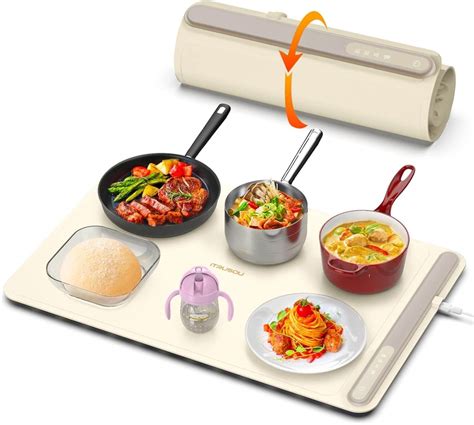
Electric warming trays or plate warmers are also great for keeping serving dishes and plates toasty, ensuring the food stays warmer longer once served.
Strategic Timing and Covering: The Host’s Secret Weapon
Beyond equipment, smart timing and thoughtful covering are crucial. Plan your cooking schedule so that dishes are ready as close to serving time as possible. Stagger cooking times for items that have different warming requirements.
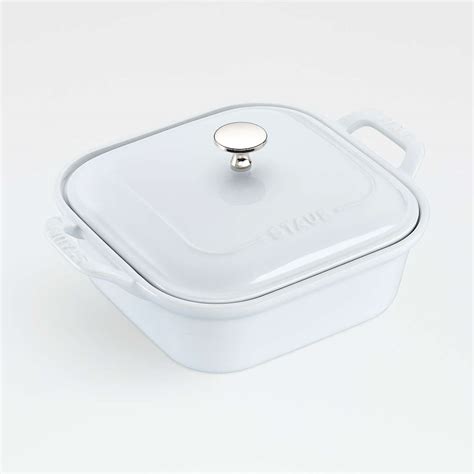
- Covering: Always cover dishes. Whether with foil, plastic wrap, or a tight-fitting lid, covering traps heat and moisture, preventing food from drying out and cooling down too quickly.
- Stacking: For items that can be stacked, like serving plates, utilize their collective heat retention.
- Pre-heated Serving Dishes: Warming your serving dishes in a low oven or with hot water just before plating will help food retain its heat once transferred.
Conclusion
Keeping a grand country holiday feast warm without overcooking is a testament to good planning and the smart use of available tools. By employing a combination of low-oven temperatures, slow cookers, chafing dishes, insulated carriers, and careful timing, you can ensure that every homemade dish retains its deliciousness, allowing you and your guests to savor every moment of your festive gathering without culinary compromises. Enjoy your perfectly warm and wonderful holiday feast!