How to keep homemade food fresh for country road trip meals?

Embarking on a Delicious Journey: Keeping Your Homemade Road Trip Meals Fresh
Country road trips offer freedom, scenic beauty, and the joy of discovery. What better way to enhance this experience than with delicious, home-cooked meals? While convenient, packing homemade food for extended travel poses a challenge: keeping it fresh and safe. With a little planning and the right techniques, you can enjoy gourmet meals on the go without worry.
The Foundation: Choosing the Right Cooling Gear
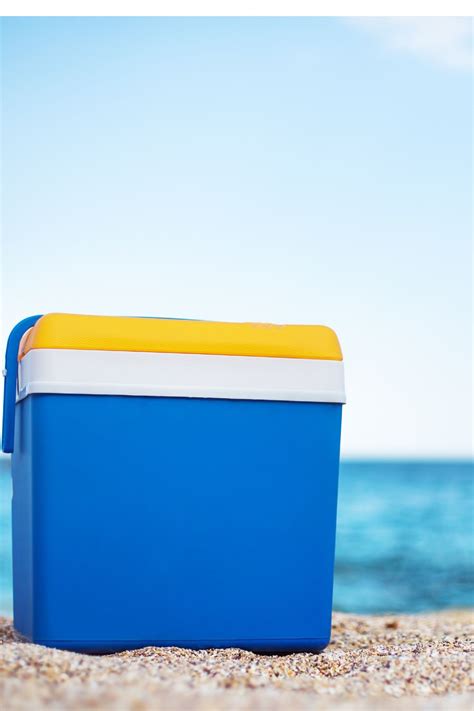
Your cooler is your best friend on a road trip. Invest in a high-quality, well-insulated cooler that can hold ice for several days. Rotomolded coolers, though pricier, offer superior insulation. For shorter trips or specific items, insulated bags can be useful. Consider using a separate cooler for drinks to minimize opening your food cooler.
- Ice Packs vs. Cubed Ice: Reusable ice packs (gel packs, frozen water bottles) are less messy and can be refrozen. Cubed ice, especially when combined with a layer of block ice at the bottom, provides excellent cooling but melts into water.
- Pre-chill Everything: Before packing, pre-chill your cooler by filling it with ice or ice packs overnight. Ensure all food items are thoroughly chilled in your refrigerator.
Mastering Food Preparation and Packaging
The way you prepare and package your food significantly impacts its longevity. Proper cooking and cooling are paramount to food safety.
- Cook and Cool Thoroughly: Cook all proteins to their recommended internal temperatures. Rapidly cool cooked food before packing it. Divide large portions into smaller, shallow containers to speed up cooling in the refrigerator.
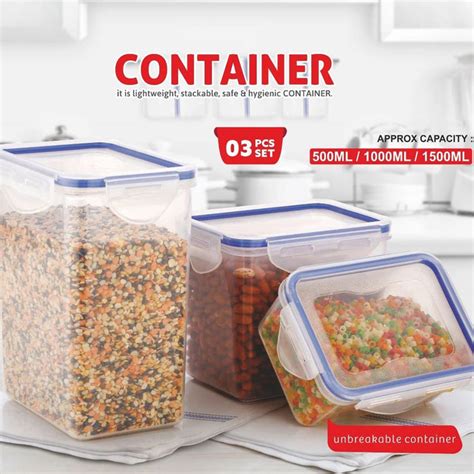
- Airtight is Right: Use high-quality, airtight containers or heavy-duty freezer bags to prevent leaks, cross-contamination, and exposure to air. Vacuum sealing can extend freshness even further for certain items.
- Portion Control: Pack meals in individual portions. This not only makes serving easier but also reduces the number of times you expose the entire batch of food to warmer temperatures.
- Strategic Freezing: Freeze items like chili, stew, cooked chicken, or even sandwiches (without fresh veggies) solid. They will act as extra ice packs and slowly thaw, ready to eat after a day or two.
Smart Packing for Maximum Freshness
Effective cooler packing isn’t just about fitting everything in; it’s about optimizing cold retention.
- Bottom Layer: Start with a layer of block ice or larger frozen gel packs at the very bottom.
- Heavy and Dense Items: Place heavier, less fragile items (e.g., beverages, sealed containers of cooked meat) on top of the ice.
- Lighter and Delicate Items: Arrange lighter foods, fresh produce, and items you’ll access frequently closer to the top.
- Fill Gaps: Use smaller ice packs, frozen water bottles, or even crumpled newspaper to fill any empty spaces. This reduces air circulation and helps maintain a consistent cold temperature.
- Minimize Opening: Resist the urge to constantly open your cooler. Plan your stops and meal times to access food efficiently.
- Keep it Shaded: Never leave your cooler in direct sunlight or in a hot car trunk. Keep it in the coolest part of your vehicle, covered if possible.
Choosing the Best Road Trip Foods
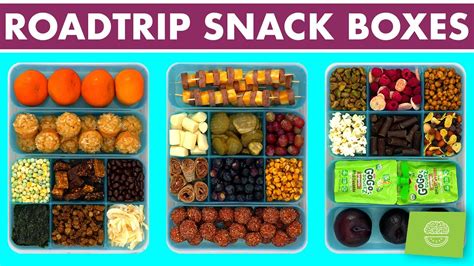
Some foods are inherently better suited for road trips than others due to their durability and lower risk of spoilage.
- Excellent Choices:
- Wraps and sandwiches (pack fillings separately to assemble later, or choose hearty fillings like roasted veggies, hard cheeses, or salami).
- Hard-boiled eggs.
- Pre-cut vegetables (carrots, bell peppers, cucumber) with hummus or dips packed separately.
- Fruit (apples, oranges, grapes, berries in sturdy containers).
- Pasta salads or grain salads made with vinaigrette (less prone to spoilage than creamy dressings).
- Cheese and crackers.
- Roasted chicken pieces or cooked sausage.
- Foods to Approach with Caution:
- Mayonnaise-based salads (potato salad, chicken salad) unless kept exceptionally cold.
- Raw meats (unless handled with extreme care and kept completely separate).
- Seafood (highly perishable).
On-the-Go Food Safety and Awareness
Even with the best planning, always prioritize food safety.
- Hand Hygiene: Always wash your hands or use hand sanitizer before handling food.
- Monitor Temperatures: If you have a cooler with a thermometer, keep an eye on it. The safe zone for perishable food is below 40°F (4°C).
- When in Doubt, Throw it Out: If food smells off, looks slimy, or has been left unrefrigerated for too long, it’s best to discard it to avoid foodborne illness. The “danger zone” for bacterial growth is between 40°F (4°C) and 140°F (60°C).
- Re-chilling: As ice melts, replenish it. Keep an emergency bag of ice cubes in your cooler for quick refills.
Enjoy Your Culinary Road Trip!
With careful preparation, smart packing, and an understanding of food safety, your homemade meals can be a highlight of your country road trip. Enjoy fresh, delicious, and healthy food wherever the road takes you, making every stop a delightful culinary experience.