
How to keep homemade food fresh for rural road trip picnics?

Embrace Freshness on Your Rural Road Trip Picnics
Rural road trips offer a unique charm, inviting you to pull over at scenic spots for an impromptu picnic. While the idea of enjoying homemade food amidst nature is delightful, keeping that food fresh and safe for consumption requires a bit of planning. The key is to combat heat, humidity, and the lack of immediate refrigeration. With the right strategies, your culinary creations will remain as delicious as they were when they left your kitchen.
Smart Food Selection: Choose Wisely for the Journey
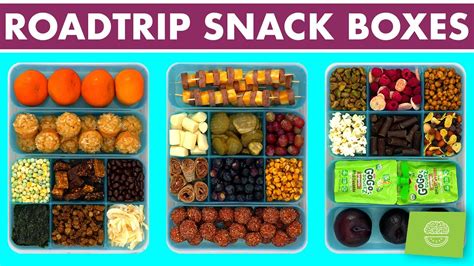
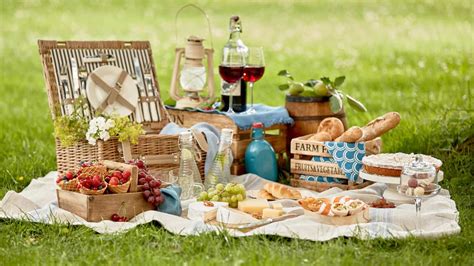
The foundation of a successful picnic lies in the food you choose. Opt for items that are less prone to spoilage and can withstand temperature fluctuations better than others. Think robust, not delicate.
- Sandwiches & Wraps: Favor sturdy bread or tortillas. Pack fillings like grilled chicken, hard cheeses, or roasted vegetables separately from bread to prevent sogginess. Avoid mayonnaise-heavy dressings or fillings that can spoil quickly.
- Pasta & Grain Salads: Vinaigrette-based salads (like pasta primavera or quinoa salad) are generally safer than creamy, mayonnaise-based ones. Ensure they are thoroughly chilled.
- Hard-Boiled Eggs: A protein-packed, easy-to-pack snack that holds up well.
- Raw Vegetables & Dips: Carrots, celery sticks, bell peppers, and cherry tomatoes are excellent. Pack hummus or a robust salsa in a separate, small, airtight container.
- Whole Fruits: Apples, oranges, grapes, and berries are fantastic choices. Wash them thoroughly before packing.
- Baked Goods: Cookies, muffins, and brownies are generally safe and provide a sweet treat.
Pre-Cooling is Paramount: Chill Everything Down
Never pack warm or even room-temperature food directly into your cooler. This is a common mistake that can rapidly raise the internal temperature of your cooler, compromising all its contents.
- Cook Ahead: Prepare all cooked items the day before and allow them to cool completely at room temperature, then refrigerate them overnight.
- Chill Containers: Consider chilling your empty food containers in the refrigerator before packing.
- Pre-Chill Your Cooler: For optimal performance, pre-chill your cooler with a bag of ice or frozen water bottles for a few hours before you start packing your food. Empty the pre-chilling ice/water before adding your food items.

Mastering the Pack: Coolers, Ice & Containers
The way you pack your food is as crucial as the food itself. A well-packed cooler is your best defense against spoilage.
Choosing the Right Cooler
Invest in a high-quality, well-insulated cooler. Hard-sided coolers generally offer better insulation than soft-sided ones. Look for features like a tight-sealing lid and durable construction.
The Power of Ice and Ice Packs
- Ice Packs & Frozen Bottles: Use a combination of reusable freezer packs and frozen water bottles. Frozen water bottles serve a dual purpose: keeping food cold and providing chilled drinking water as they melt.
- Block Ice vs. Cubed Ice: Block ice lasts significantly longer than cubed ice. Place block ice at the bottom of the cooler.
- Layering: Position ice packs at the bottom, top, and sides of your cooler for maximum cooling efficiency.
Airtight, Leak-Proof Containers
Use sturdy, airtight, and leak-proof containers for all your food. This prevents cross-contamination, keeps food fresh, and avoids messy spills. Separate wet ingredients from dry ones to maintain texture and prevent sogginess.
On-the-Road Storage & Food Safety Practices
Once you hit the road, a few simple habits can further ensure the safety and freshness of your picnic spread.
- Keep Your Cooler Closed: Resist the urge to open the cooler frequently. Each time you open it, warm air enters, compromising the internal temperature.
- Shade is Your Friend: Never leave your cooler in direct sunlight. Store it in the coolest part of your vehicle – often the floor behind a seat – or cover it with a blanket or towel if it must be exposed.
- Separate Drinks: Consider packing a separate, smaller cooler for drinks. This way, your main food cooler isn’t constantly being opened for beverage access.
- Hands-On Hygiene: Always pack hand sanitizer, wet wipes, or small bottles of soap. Clean hands are critical before handling food at your picnic spot.
- Utensils and Serving: Bring clean serving utensils to avoid using hands directly on communal food.
- The Two-Hour Rule: Perishable foods should not be left at temperatures between 40°F (4°C) and 140°F (60°C) for more than two hours. If it’s a hot day (above 90°F/32°C), this window shrinks to one hour. When in doubt, throw it out – better safe than sorry.

Conclusion: Enjoying Your Fresh, Homemade Feast
A rural road trip picnic is an experience to cherish, offering a blend of adventure and delicious home-cooked comfort. By thoughtfully selecting your foods, diligently pre-cooling, strategically packing your cooler, and maintaining good hygiene practices, you can ensure your homemade meals remain fresh, safe, and utterly enjoyable. So pack up, hit the road, and savor every bite of your perfectly preserved picnic amidst the beauty of the countryside.