How to keep homemade meals fresh for rural trips without refrigeration?
Venturing into rural areas often means disconnecting from modern conveniences, including the ever-present refrigerator. For those who love the comfort and economy of homemade meals, ensuring their freshness and safety on such trips without refrigeration can seem daunting. However, with strategic planning and clever techniques, you can enjoy delicious, home-prepared food throughout your journey.
The Foundation: Smart Food Choices
The first step in fresh-food preservation on the go begins before you even pack. Select ingredients and meals that are naturally less prone to spoilage. Foods with low moisture content, high acidity, or those that are cured tend to fare better without constant cooling.
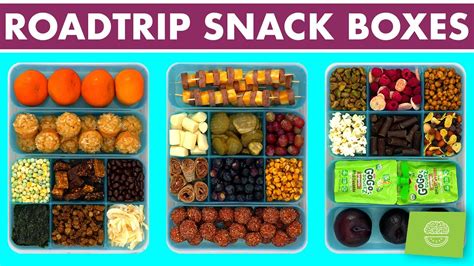
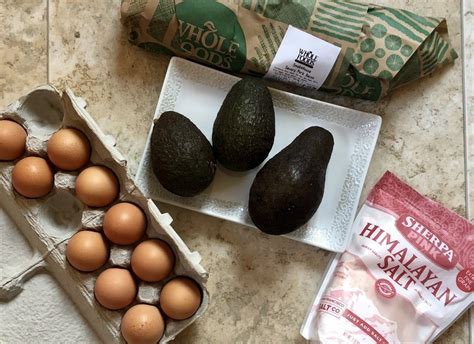
- Hard-boiled eggs: Excellent protein source, lasts a few days if kept cool initially.
- Hard cheeses: Varieties like cheddar or gouda hold up well compared to soft cheeses.
- Cured meats: Jerky, salami, and other cured sausages are designed for shelf stability.
- Sturdy fruits & vegetables: Apples, oranges, carrots, and bell peppers can endure without refrigeration for extended periods. Avoid delicate berries or leafy greens.
- Roasted or dried nuts and seeds: Packed with energy and long-lasting.
Consider preparing meals that don’t contain mayonnaise, dairy products (other than hard cheese), or raw meat that can quickly spoil in warm temperatures.
Mastering the Packing Process
Effective packing is crucial. Your goal is to keep food as cool as possible for as long as possible, using passive cooling methods.
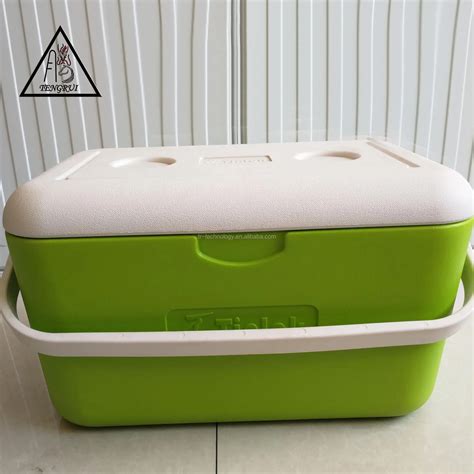
- Insulated Coolers & Bags: Invest in high-quality insulated coolers or thermal bags. The thicker the insulation, the better. Pre-chill your cooler with ice the night before packing.
- Ice Packs & Frozen Bottles: Use plenty of ice packs, frozen water bottles, or even blocks of ice. Frozen water bottles serve double duty, providing cold and eventually drinking water. Position them strategically – at the bottom and top of the cooler.
- Layering: Place items that need to stay coldest (like pre-cooked meats or dairy alternatives) at the bottom, closest to the ice. Fill any empty spaces with crumpled newspaper or towels to minimize air movement.
- Airtight Containers: Use robust, airtight containers to prevent leaks and keep moisture out, protecting food from cross-contamination and environmental factors.
Embracing Non-Perishables & Preserved Goods
For longer trips or when cooler space is limited, rely on a robust selection of non-perishable foods. Many traditional preservation methods were developed precisely for travel and storage without refrigeration.
- Dried Fruits and Vegetables: Raisins, apricots, cranberries, and sun-dried tomatoes are excellent sources of nutrients and last a long time.
- Homemade Jerky & Fruit Leather: These concentrated forms of protein and sugar are lightweight and shelf-stable.
- Canned Goods: While heavier, canned beans, tuna, chicken, and vegetables offer reliable sustenance. Just remember to pack a can opener!
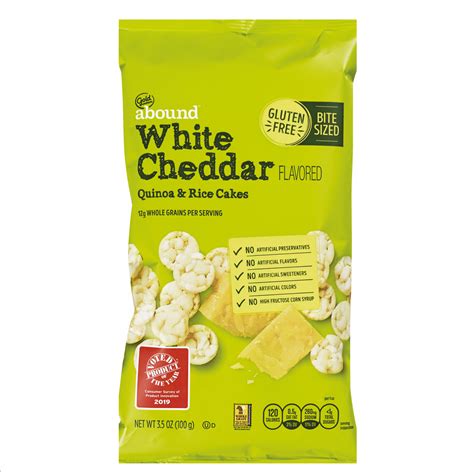
- Crackers, Bread, & Tortillas: Choose whole-grain varieties for more nutrition. Hardtack biscuits are a historical example of extreme longevity.
- Vacuum Sealing: For cooked items like pasta, stews, or pre-portioned meats, vacuum sealing can significantly extend their shelf life by removing oxygen that promotes spoilage.
Advanced Techniques for Prolonged Freshness
To really maximize the life of your homemade meals, consider these advanced strategies:
- Pre-freeze Meals: Cooked meals like chili, stews, or pasta dishes can be frozen solid in their containers. When packed, they act as their own ice packs, slowly defrosting over several days while keeping other items cold.
- Thermal Containers for Hot Meals: If you’ve prepared a hot meal just before departure, an insulated thermal food jar can keep it warm for hours, allowing you to enjoy a hot dish without reheating.
- Separate Fresh Produce: Some fruits and vegetables, like potatoes or onions, are best stored in a cool, dark, and airy place outside the main cooler to prevent moisture buildup and spoilage.

On-the-Go Management and Food Safety Tips
Even with excellent preparation, proper handling during your trip is key to preventing foodborne illness.
- Coolest Spot: Always store your cooler or food bags in the coolest available spot, away from direct sunlight and heat sources like engine compartments. In a car, this is often on the floor behind a seat.
- Minimize Opening: Open your cooler only when necessary and close it quickly to retain the cold.
- Good Hygiene: Always wash your hands or use hand sanitizer before preparing or eating food.
- Portion Control: Pack meals in individual or small-serving containers to avoid exposing large quantities of food to air and warmth unnecessarily.
- “When in Doubt, Throw It Out”: This is the golden rule of food safety. If a food smells off, looks unusual, or has been in the danger zone (between 40°F and 140°F / 4°C and 60°C) for more than two hours, it’s safer to discard it than risk illness.

Conclusion
Embarking on rural trips with homemade meals doesn’t have to be a gamble. By thoughtfully selecting your ingredients, mastering smart packing techniques, leveraging naturally preserved foods, and practicing diligent on-the-go food safety, you can enjoy nourishing and delicious dishes far from the nearest refrigerator. These strategies not only enhance your travel experience but also provide peace of mind that your culinary adventures are both safe and satisfying.