How to keep homemade, real food fresh & safe during long country drives?
Embarking on a long country drive is an exhilarating experience, offering scenic views and a sense of freedom. However, enjoying homemade, real food on the journey requires careful planning to ensure it remains fresh, safe, and delicious from start to finish. Nobody wants an upset stomach or spoiled meals marring their road trip adventure.
The Importance of Food Safety on the Road
When you’re far from home, access to refrigeration and cooking facilities is limited, making food safety paramount. Perishable foods, especially those containing meat, dairy, or eggs, can quickly enter the “danger zone” (between 40°F and 140°F / 4°C and 60°C) where bacteria multiply rapidly. Consuming contaminated food can lead to foodborne illnesses, which are the last thing you want while navigating winding country roads.
Understanding proper storage temperatures and handling techniques is key to preventing spoilage and ensuring your homemade meals are safe to eat throughout your journey.
Essential Gear for Food Preservation
Having the right equipment is fundamental to keeping your food fresh. Invest in quality items that are designed for extended cooling.
- High-Quality Coolers: A well-insulated, hard-sided cooler is your best friend. Look for models with thick walls and a good seal. For longer trips, consider an electric cooler or a rotomolded cooler known for superior ice retention.
- Ice Packs vs. Ice: Reusable ice packs (gel packs, frozen water bottles) are excellent because they don’t create a watery mess as they melt. If using ice, opt for block ice which melts slower than cubes, and consider placing it in sealed bags to prevent water contamination.
- Airtight Containers: Use sturdy, leak-proof containers for all your food items. This prevents cross-contamination, keeps liquids from spilling, and helps maintain food freshness. Glass containers are great but heavier; good quality plastic or silicone are often more practical for travel.
- Food Thermometer: A small, portable food thermometer can be invaluable for checking the temperature inside your cooler, ensuring it stays below 40°F (4°C).
- Hand Sanitizer and Wipes: Good hygiene is crucial. Always clean your hands before handling food.
Smart Food Choices for Travel
Not all homemade foods are created equal when it comes to travel. Opt for items that are less prone to spoilage and easy to eat on the go.
- Hearty Sandwiches and Wraps: Fill them with roasted chicken, turkey, or sturdy vegetables. Avoid overly wet fillings that can make bread soggy. Pack condiments separately.
- Salads with Vinaigrette: Greens and sturdy vegetables like cucumbers, bell peppers, and carrots hold up well. Pack dressing on the side and add just before eating to prevent wilting. Pasta or grain salads also travel well if properly chilled.
- Roasted Vegetables and Proteins: Cooked chicken pieces, hard-boiled eggs, or roasted root vegetables are excellent choices that are less delicate than fresh salads.
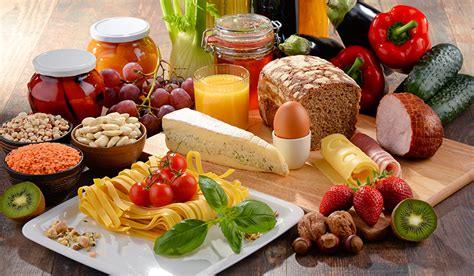
- Fresh Fruits and Vegetables: Apples, oranges, grapes, carrots, and celery sticks are robust and refreshing. Wash them thoroughly before packing.
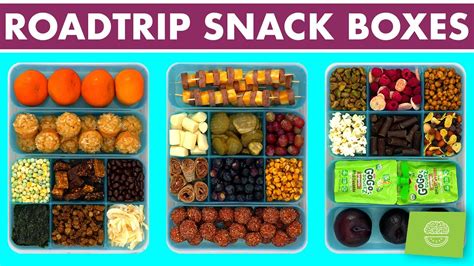
- Snacks: Nuts, seeds, dried fruit, granola bars, and homemade energy bites are perfect for quick energy boosts and don’t require refrigeration.
Foods to limit or avoid: Mayonnaise-based salads (unless strictly kept cold), raw meat/poultry, delicate leafy greens that bruise easily, and foods that require reheating (unless you have portable heating solutions).
Packing Strategies for Maximum Freshness
How you pack your cooler can significantly impact how long your food stays fresh and safe.
- Pre-chill Everything: Chill your cooler overnight with a bag of ice or frozen water bottles. Ensure all food items are thoroughly chilled in your refrigerator before packing.
- Layering is Key: Place frozen ice packs or block ice at the bottom of the cooler. Then, add items that need to stay coldest, such as meats and dairy. Next, layer in less delicate items like fruits and vegetables, followed by snacks and drinks that you’ll access frequently.
- Pack Tightly: Minimize air pockets in the cooler. Use towels or crumpled newspaper to fill empty spaces, which helps insulation.
- Separate Raw from Cooked: Always pack raw meats or poultry in sealed, leak-proof containers at the very bottom, furthest away from ready-to-eat foods to prevent cross-contamination.
- Easy Access: Place frequently accessed snacks and drinks on top or in a separate, smaller cooler to avoid opening the main cooler too often.

On-the-Road Management and Consumption
Once you’re on the road, continue to manage your food carefully to maintain safety.
- Keep the Cooler Out of Direct Sun: Place your cooler in the coolest part of your vehicle, away from direct sunlight. Consider covering it with a blanket for extra insulation.
- Minimize Opening: Every time you open the cooler, warm air enters. Plan your meal breaks and access items efficiently.
- Hand Hygiene: Always use hand sanitizer or wipes before handling food, especially after fuel stops or bathroom breaks.
- Trust Your Senses (with Caution): While visual cues and smell can indicate spoilage, some harmful bacteria don’t produce noticeable changes. When in doubt, throw it out. Perishable foods left unrefrigerated for more than two hours (one hour if temperatures are above 90°F / 32°C) should be discarded.
With a little preparation and adherence to these simple guidelines, your long country drives can be perfectly paired with delicious, healthy, and safe homemade meals. Enjoy the journey and the nourishing food that fuels your adventure!