How to keep homemade real food fresh & safe for country road trip meals?

Embarking on a country road trip is an exhilarating experience, filled with scenic views and spontaneous stops. While fast food can be tempting, enjoying wholesome, homemade meals on the go not only saves money but also ensures healthier eating. However, keeping real food fresh and safe in transit requires smart planning and execution. Let’s dive into how to master your mobile kitchen.
Strategic Menu Planning for the Road
The foundation of safe road trip eating begins with your food choices. Opt for items that hold up well without constant refrigeration or are easy to prepare ahead. Think sturdy vegetables and fruits, whole-grain wraps, pre-cooked proteins, and hearty salads with dressings packed separately. Avoid highly perishable foods like mayonnaise-based salads, raw meats, or delicate pastries unless you have exceptional cooling capabilities and plan to consume them very quickly.
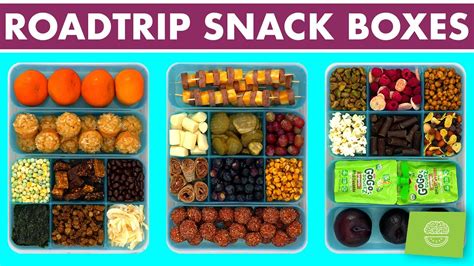
Good choices include:
- Hard-boiled eggs
- Nut butter and jelly sandwiches
- Hummus with cut vegetables
- Chicken or bean salads (dairy-free base)
- Whole fruits like apples, oranges, and bananas
- Homemade granola bars or trail mix
Preparation and Pre-Cooling are Paramount
Before any food hits your cooler, proper preparation is crucial. Cook all meats and poultry to their recommended internal temperatures. Once cooked, cool food rapidly in shallow containers in the refrigerator before packing. This prevents bacteria from multiplying in the ‘danger zone’ (between 40°F and 140°F / 4°C and 60°C). Portion your meals into individual or small serving sizes to minimize the need to open and expose large quantities of food.
The Right Gear Makes All the Difference
A high-quality cooler is your best friend on a road trip. Invest in an insulated hard-sided cooler for superior temperature retention. For shorter trips or snacks, a soft-sided cooler might suffice. Use ice packs, frozen water bottles, or blocks of ice instead of loose ice, which can melt and saturate your food. Always pack perishable items in airtight, leak-proof containers to prevent cross-contamination and maintain freshness.

Smart Packing Techniques
How you pack your cooler impacts its efficiency. Place frozen items and ice blocks at the bottom, as cold air sinks. Layer perishables that need the most cooling (like cooked meats and dairy) directly on top of the ice. Place less sensitive items on top, and foods you’ll access frequently near the top or in a separate, smaller cooler. Fill any empty spaces with crumpled newspaper or towels to minimize air pockets and help maintain a consistent cool temperature.
Maintaining Temperature Control On The Go
Throughout your journey, protect your cooler from direct sunlight. Keep it inside the shaded cabin of your car rather than in the hot trunk, especially on warm days. If your trip extends over several days, plan for stops where you can replenish ice or refreeze ice packs. A small food thermometer can be a valuable tool to periodically check the internal temperature of your cooler, ensuring it stays below 40°F (4°C).
Hygiene Habits for Healthy Eating
Even with perfectly packed food, poor hygiene can lead to contamination. Always carry hand sanitizer or wet wipes for cleaning hands before and after handling food. Use clean utensils and plates, or opt for disposable ones if washing facilities are unavailable. Pack separate bags for trash to keep your eating area clean and free of food debris that could attract pests.

When to Eat and When to Discard
The general rule for perishable food is that it shouldn’t be in the ‘danger zone’ for more than two hours (or one hour if the ambient temperature is above 90°F / 32°C). If you’re unsure about an item’s safety, it’s always best to err on the side of caution and throw it out. Consume more perishable items earlier in your trip. For longer trips, prioritize shelf-stable snacks and fresh produce that doesn’t require refrigeration.
With a little foresight and the right practices, enjoying delicious, fresh, and safe homemade meals on your country road trip is entirely achievable. This approach not only enhances your travel experience but also supports your well-being, leaving you energized for all the adventures ahead.