How to keep pantry pests out of homemade flour and grains naturally?

Embracing the Challenge: Protecting Your Homemade Harvest
For those who embrace the rewarding practice of making their own flour or stocking up on bulk grains, the satisfaction is immense. However, this journey often comes with a common adversary: pantry pests. These tiny invaders, from weevils to flour beetles, can quickly turn a bountiful supply into a frustrating loss. In the spirit of country living, where natural and sustainable methods are prized, we’ll explore effective, chemical-free strategies to safeguard your homemade flour and grains.
Understanding Your Adversaries: Common Pantry Pests
Before you can effectively combat pantry pests, it helps to know who you’re up against. The most frequent culprits include grain weevils, flour beetles (confused flour beetle, red flour beetle), Indian meal moths, and saw-toothed grain beetles. They are often brought into the home inadvertently in commercially packaged goods, but once established, they can quickly infest your carefully prepared homemade items. Early detection and understanding their lifecycle are key to prevention.
The Foundation of Defense: Prevention and Sanitation
Start Clean, Stay Clean
The first and most crucial step in keeping pantry pests at bay is impeccable sanitation. Before introducing any new flour or grains, ensure your pantry shelves and containers are spotless. Vacuum crumbs and wipe down surfaces with a mild soap and water solution, or even a diluted vinegar solution. Inspect any new purchases, especially bulk items, thoroughly before bringing them into your main storage area.
Temperature Treatment for New Grains
A highly effective natural method for homemade or new bulk grains is pre-treatment. You can either freeze grains for at least 48-72 hours at 0°F (-18°C) to kill any eggs or larvae, or heat them in an oven. To heat, spread grains thinly on a baking sheet and bake at 130-150°F (54-65°C) for about 30 minutes. Ensure they cool completely before storage.
Optimal Storage Solutions: Airtight is Key
Once your grains and flour are clean and treated, proper storage is paramount. The goal is to create an environment that is inaccessible to pests and unsuitable for their survival.
Airtight Containers
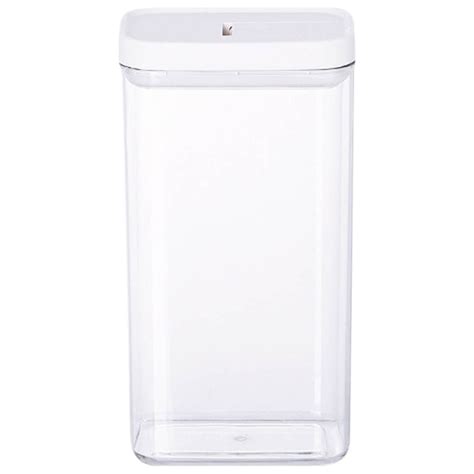
This is perhaps the single most important defense. Invest in high-quality, food-grade airtight containers made of glass, sturdy plastic, or metal. Lids must seal completely to prevent pests from entering or escaping. Mason jars, old cookie tins with tight-fitting lids, or commercial airtight containers are excellent choices. Label everything with the date of purchase or preparation.
Location, Location, Location
Store containers in a cool, dry, and dark place. Heat and humidity can accelerate pest reproduction and spoilage. Avoid storing flour and grains near heat sources like ovens, dishwashers, or direct sunlight.

Natural Pest Deterrents: Harnessing Nature’s Power
Beyond airtight containers, several natural items can help deter pests without introducing chemicals.
Bay Leaves
An age-old trick, placing a few bay leaves directly into containers of flour, grains, or rice is believed to repel weevils and other pantry pests. The aroma seems to be unpleasant to them. Replace them every few months for maximum effectiveness.
Diatomaceous Earth (Food Grade)
Food-grade diatomaceous earth (DE) is a natural, non-toxic powder made from fossilized diatoms. It works by dehydrating insects upon contact. You can lightly dust pantry shelves or even mix a small amount directly into grains (though some prefer not to, as it can affect texture or require washing). Ensure it is food-grade, not pool filter DE.
Mint and Essential Oils
Some people find that sachets of dried mint leaves or cotton balls lightly dabbed with peppermint essential oil (placed near, not in, food containers) can deter pests. The strong scent can confuse and repel them.

Ongoing Vigilance and Maintenance
Keeping your pantry pest-free is an ongoing process, not a one-time task.
Regular Inspections and Rotation
Periodically inspect your pantry and all food containers. Look for signs of pests like small webs, tiny beetles, or larvae. Rotate your stock, using older items first to prevent anything from sitting too long. Adhere to the “first in, first out” principle.
Prompt Action for Infestations
If you discover an infestation, act swiftly. Discard heavily infested items in a sealed bag immediately. Clean out the entire pantry thoroughly, vacuuming cracks and crevices. Consider using a food-grade insecticidal soap or a natural repellent spray on surfaces after cleaning, ensuring it’s safe for food areas. Then, re-evaluate your storage methods.

Conclusion: A Pest-Free Pantry, Naturally Achieved
Maintaining a pest-free pantry in a country living setting is entirely achievable using natural, proactive methods. By combining rigorous sanitation, smart airtight storage, and a few clever natural deterrents, you can protect your valuable homemade flour and grains. This diligent approach ensures your pantry remains a source of sustenance and satisfaction, free from unwelcome guests, allowing you to enjoy the fruits of your labor year-round.