How to keep roasted garden vegetables crisp, not soggy?
The Quest for Perfectly Crisp Roasted Vegetables
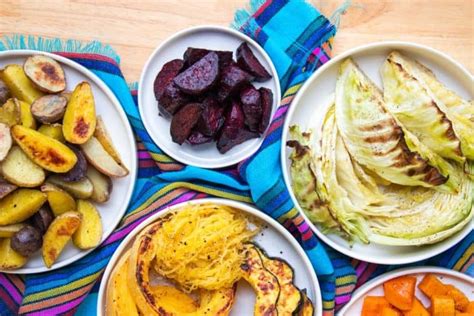
Roasting garden vegetables is a culinary delight, bringing out their natural sweetness and creating wonderfully caramelized edges. However, the dream of golden, crispy morsels can quickly turn into a soggy, steamed nightmare if not approached with the right techniques. If you’ve ever pulled a tray of limp, watery veggies from the oven, you’re not alone. This guide will walk you through the essential steps to ensure your roasted garden bounty is always deliciously crisp.
Start with the Right Foundation: Vegetable Prep
Choose Wisely and Cut Evenly
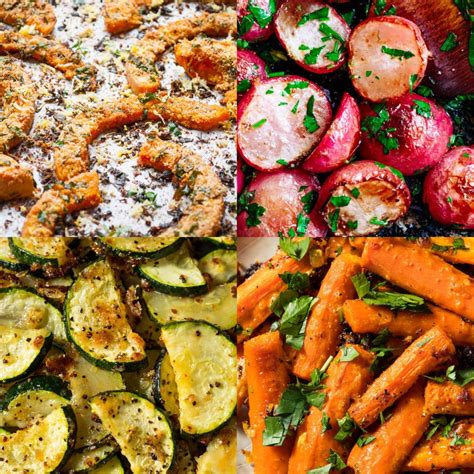
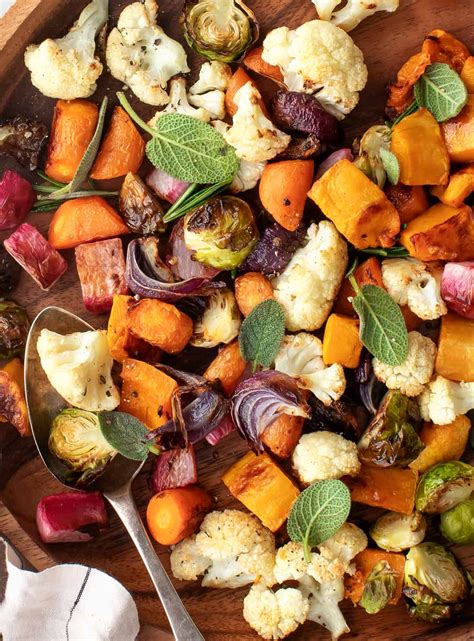
Not all vegetables roast equally. Root vegetables like potatoes, carrots, parsnips, and cruciferous vegetables like broccoli, cauliflower, and Brussels sprouts are excellent choices for crispiness. More watery vegetables, such as zucchini and mushrooms, require extra care. Regardless of your selection, uniform cutting is crucial. Irregularly sized pieces will cook at different rates, leading to some being burnt while others remain undercooked or, worse, soggy.
Dry, Dry, Dry Your Veggies
This is arguably the most critical step. Any residual moisture on the surface of your vegetables will turn into steam in the hot oven, steaming your vegetables instead of roasting them. After washing, thoroughly dry your cut vegetables with a clean kitchen towel or paper towels. For extra assurance, you can even let them air-dry for a short period on a baking sheet before adding oil and seasoning.
The Art of Oiling and Seasoning
Don’t Over-Oil, Just Enough to Coat
While oil helps with browning and flavor, too much will essentially fry your vegetables rather than roast them, leading to an oily, soft result. Aim for just enough oil to lightly coat each piece. Olive oil, avocado oil, or grapeseed oil are excellent choices for their high smoke points. Drizzle the oil over the vegetables and toss them well to ensure every surface has a thin, even layer.
Timing Your Salt
Salt draws moisture out of vegetables. If you salt too early and let the vegetables sit, they will begin to release water, making them prone to sogginess. It’s best to add salt and other seasonings just before the vegetables go into the oven. A mix of herbs, pepper, and garlic powder can enhance flavor without adding excess moisture.

Mastering the Roasting Process
High Heat is Your Friend
Roasting requires high heat, typically between 400°F and 450°F (200°C-230°C). This high temperature creates a Maillard reaction, leading to browning and crispness. If the oven temperature is too low, the vegetables will cook slowly and release more moisture, resulting in a steamed effect.
Preheat Your Baking Sheet
For an immediate sizzle and faster browning, place your empty baking sheet in the oven while it preheats. When you add the oiled vegetables to the hot sheet, they’ll start caramelizing immediately, preventing them from sitting in their own moisture. Line the sheet with parchment paper, not foil, for better airflow and easier cleanup. Foil can sometimes trap moisture, contributing to sogginess.
The Golden Rule: Never Overcrowd the Pan
This is perhaps the most crucial rule for crispy vegetables. When you crowd too many vegetables onto one baking sheet, they release moisture, which gets trapped between the pieces. Instead of roasting, they steam each other. Use two baking sheets if necessary, ensuring each piece has enough space around it to breathe and allow moisture to evaporate. There should be air circulating around each piece.
Give Them Space and Stir Occasionally
Ensure good air circulation around and above the vegetables. If using a conventional oven, place the baking sheets on different racks, swapping them halfway through cooking for even browning. If you have a convection oven, utilize its fan to circulate hot air, which helps dry out the vegetables and promote crisping. Stirring or flipping the vegetables once or twice during roasting ensures all sides get direct contact with the hot surface and even exposure to the oven’s heat.
Troubleshooting and Finishing Touches
If your vegetables are still not crisping up, consider raising the oven temperature slightly or extending the cooking time. Remember, the goal is often fork-tender on the inside and beautifully browned and crispy on the outside. For an extra touch of crispness, you can broil them for the last minute or two, but watch them very closely to prevent burning.
Conclusion
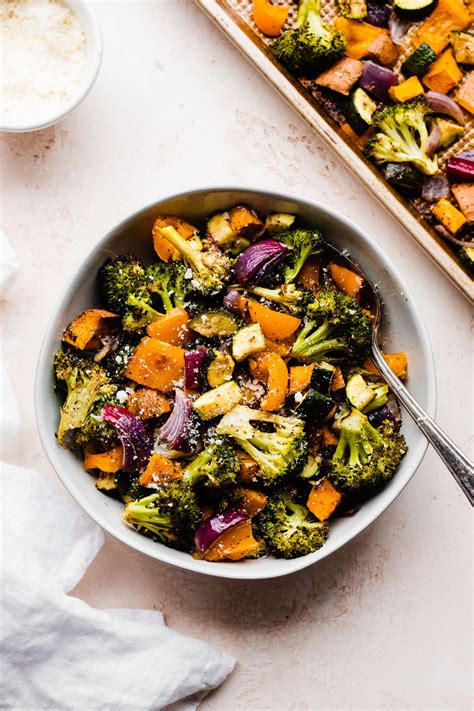
Achieving perfectly crisp roasted garden vegetables is a skill that combines careful preparation with proper roasting techniques. By focusing on dryness, optimal oiling, high heat, and most importantly, giving your vegetables plenty of space, you can say goodbye to soggy results forever. Embrace these tips, and every batch of roasted veggies will be a testament to your culinary prowess – golden, tender, and delightfully crisp.