



How to make flavorful, tender cast iron skillet cornbread?
The Secret to Superior Skillet Cornbread
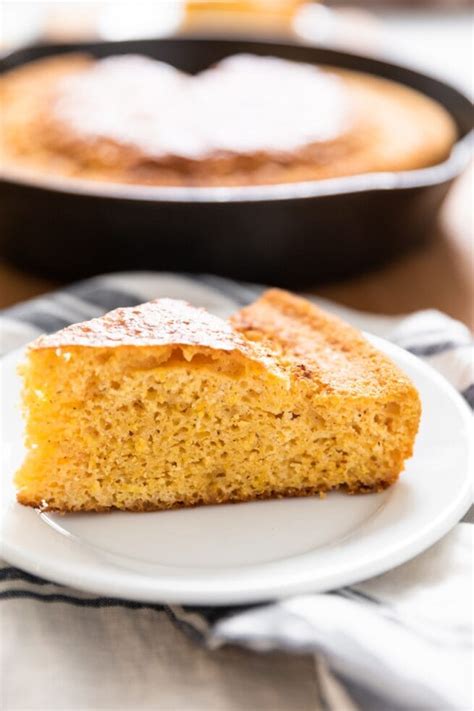
There’s nothing quite like a warm slice of cornbread, especially when it boasts a golden, crispy crust and a tender, moist interior, fresh from a well-seasoned cast iron skillet. While cornbread might seem simple, achieving that perfect balance of flavor and texture requires a few key techniques and ingredient choices. Forget dry, crumbly, or bland versions – we’re going to dive into how to make cornbread that will become a staple in your kitchen.
Choosing Your Ingredients Wisely
The foundation of great cornbread starts with its components. Don’t underestimate the impact of quality ingredients.
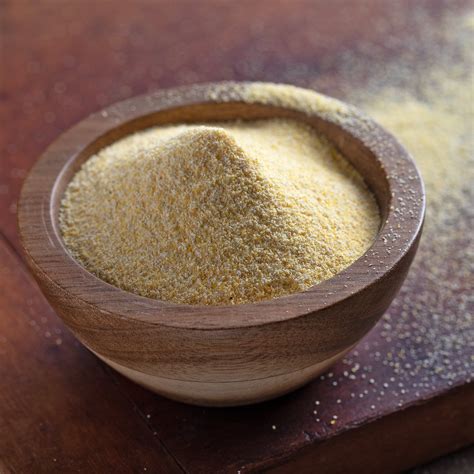
- Cornmeal: For true Southern-style cornbread, opt for stone-ground cornmeal. It has a coarser texture and deeper corn flavor than finer, degerminated varieties. Yellow or white cornmeal works; the choice is often regional or personal preference.
- Fat: This is crucial for both flavor and tenderness. Bacon grease is the traditional champion, lending an unparalleled savory depth. If you don’t have it, butter (clarified butter for higher smoke point) or a neutral oil like vegetable or canola oil are good alternatives.
- Dairy: Buttermilk is your best friend for tender, tangy cornbread. Its acidity reacts with baking soda to create a light, airy texture, and its thickness adds moisture. If you don’t have buttermilk, you can make a substitute by adding a tablespoon of lemon juice or white vinegar to regular milk and letting it sit for 5-10 minutes.
- Leavening: A combination of baking soda (reacting with buttermilk) and baking powder ensures a good rise and tender crumb.
The Importance of a Preheated Skillet
This step is non-negotiable for that legendary crispy crust. A hot skillet, preheated with your chosen fat, creates a sizzling contact point when the batter hits it, instantly forming a beautiful golden-brown exterior. Without this, your cornbread will stick and lack that satisfying crunch.
Place your cast iron skillet in the oven while it preheats to your desired baking temperature (usually 400-425°F or 200-220°C). Once the oven is hot, carefully remove the skillet, add your fat (about 2-3 tablespoons), and swirl it to coat the bottom and sides. Return it to the oven for another 5-10 minutes until the fat is shimmering hot.

Mixing the Batter Just Right
Once your ingredients are measured, the mixing process is straightforward but critical. Combine your dry ingredients thoroughly in one bowl, and your wet ingredients in another. Then, gently fold the wet into the dry. The key is to mix *just* until combined. Overmixing develops the gluten in the cornmeal, leading to a tough, dense cornbread. A few lumps are perfectly fine!
If you’re adding any extras like corn kernels, cheese, or jalapeños, fold them in at this stage.

Baking for Perfection
Once your batter is ready and your skillet is screaming hot, carefully pour the batter into the preheated, greased skillet. It should sizzle immediately. Return the skillet to the hot oven and bake for 20-25 minutes, or until the top is golden brown and a wooden skewer inserted into the center comes out clean. The exact time will vary based on your oven and skillet size.
Cooling and Serving
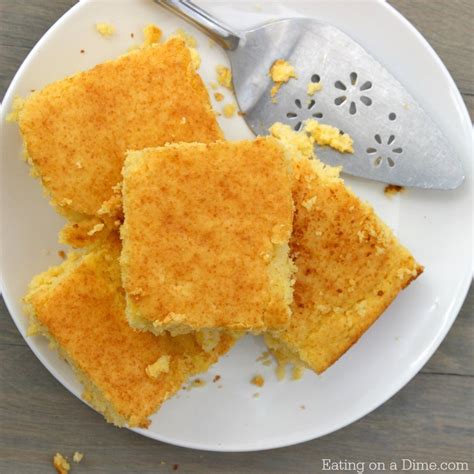
Once baked, immediately remove the skillet from the oven. For the crispiest crust, you can invert the cornbread onto a wire rack to cool slightly, or simply let it rest in the skillet for a few minutes before slicing into wedges. Serve warm with butter, honey, jam, or as an accompaniment to chili, stew, or barbecue.

Troubleshooting Common Cornbread Issues
- Dry or Crumbly: Likely due to too much dry ingredient, not enough fat/dairy, or overbaking. Ensure accurate measurements and don’t bake past the ‘done’ stage.
- Not Crispy: Your skillet wasn’t hot enough, or there wasn’t enough fat in the skillet. Don’t skip the preheating step.
- Dense or Tough: Overmixing the batter is the usual culprit. Mix gently until just combined.
Conclusion
Mastering flavorful and tender cast iron skillet cornbread is an achievable goal with these tips. From selecting the right cornmeal and ample fat to the crucial step of preheating your skillet, each element plays a vital role. Embrace the sizzle, avoid overmixing, and you’ll soon be enjoying perfectly golden, moist cornbread that will impress every time.