



How to make fluffy, tender homemade biscuits from scratch every time?
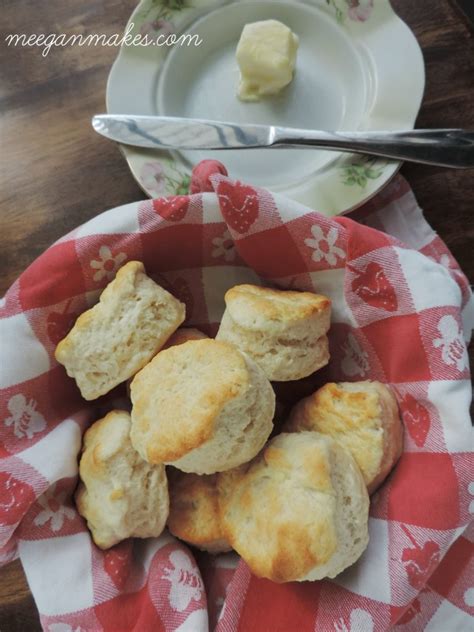
Unlock the Secret to Perfect Homemade Biscuits
Craving warm, fluffy biscuits that melt in your mouth? While store-bought options exist, nothing beats the satisfaction of homemade. Many home bakers shy away, fearing tough or flat results, but with a few simple techniques, you can master the art of tender, flaky biscuits every single time.
The Foundation: Quality Cold Ingredients
The secret to superb biscuits begins with your ingredients, especially butter and buttermilk. Always use cold unsalted butter, cut into small cubes or grated. This prevents it from fully incorporating into the flour, creating pockets of steam during baking that lead to flakiness. Similarly, cold buttermilk reacts with baking soda to provide lift without over-activating the gluten. Using fresh, high-quality flour also makes a difference in the final texture.
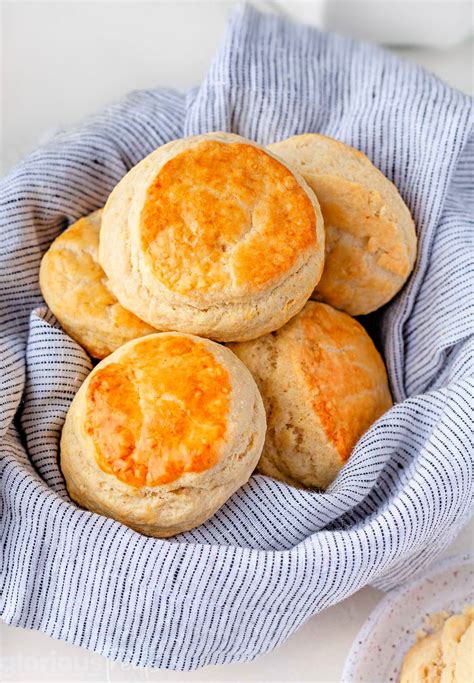
The Art of Mixing: Don’t Overwork It
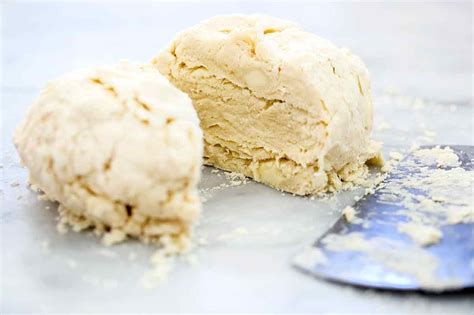
Overworking the dough is the number one culprit behind tough biscuits. After cutting the cold butter into the flour mixture (a pastry blender, two knives, or even your fingertips work well), gradually add the cold buttermilk. Mix just until combined. The dough should be shaggy, not smooth. Lumpy is good! Excessive mixing develops gluten, which makes biscuits chewy instead of tender. Aim for a dough that barely comes together.
Folding and Cutting for Maximum Fluffiness
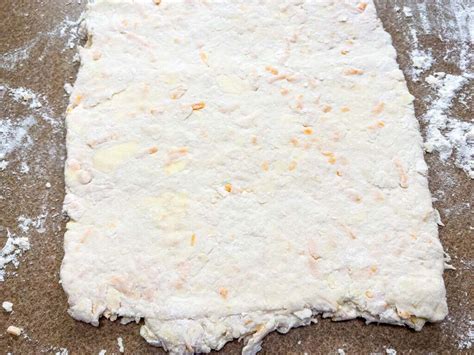
For extra layers and loft, gently fold the dough a few times. Turn the shaggy dough out onto a lightly floured surface, gently pat it into a rectangle, fold it into thirds (like a letter), rotate, and repeat once or twice. This technique creates layers without over-kneading, contributing to that desirable flaky texture.
When cutting, use a sharp biscuit cutter (or an inverted glass) and press straight down – do not twist. Twisting seals the edges, preventing the biscuits from rising properly and creating those beautiful, tall layers. Place biscuits close together on a baking sheet for softer sides, or spaced apart for crispier edges. Reroll scraps minimally, as they will be tougher than the first batch.

Baking to Golden Perfection
Preheat your oven to a high temperature, typically 425-450°F (220-230°C). A hot oven helps the biscuits rise quickly and create a golden crust. The high heat rapidly activates the leavening agents and quickly sets the structure before the butter melts completely, ensuring a tender interior. Bake until golden brown on top and bottom, usually 12-18 minutes, depending on size and oven. Keep a close eye on them during the final minutes to prevent overbrowning.
Essential Tips for Success
- Measure Accurately: Especially flour. Too much flour makes dry, dense biscuits. Use the spoon-and-level method.
- Don’t Substitute Buttermilk: The acidity is crucial for reacting with baking soda and tenderizing. If you don’t have buttermilk, you can make a substitute with milk and lemon juice/vinegar (let sit for 5-10 minutes).
- Chill the Dough: If your kitchen is warm, briefly chilling the cut biscuits before baking can help maintain the butter’s coldness.
- Serve Warm: Biscuits are best enjoyed fresh from the oven, slathered with butter, jam, honey, or smothered in gravy.
Conclusion
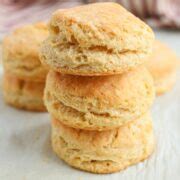
Mastering homemade biscuits is a rewarding culinary skill. By focusing on cold ingredients, gentle handling, proper cutting, and a hot oven, you’ll be consistently turning out fluffy, tender biscuits that will impress everyone. So, roll up your sleeves and get ready to enjoy a true comfort food classic that tastes infinitely better than anything store-bought.